Sharing Lockdown Lessons from inspiring teams and athletes in different sports from around the world.
“Nobody Cares. Work Harder.” The mantra pushing the one team to grand final glory.
Original article by Adrian Proszenko, Chief Rugby League Reporter for the Sydney Morning Herald October 2020.
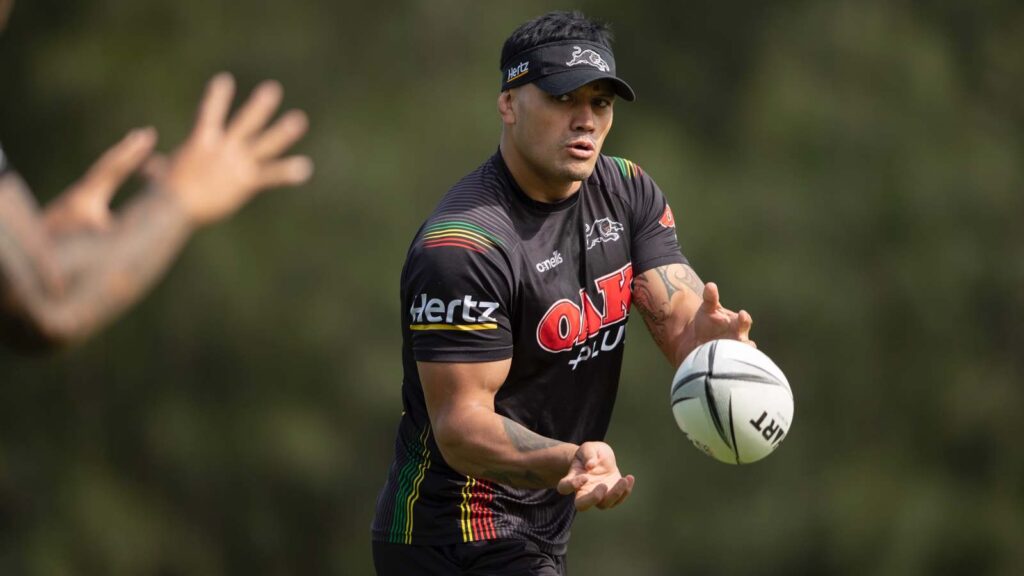
Of all of the inspirational quotes that adorned the makeshift gym in James Fisher-Harris’ home during COVID lockdown, none resonated more than those four words from Lamar Jackson.
The Baltimore Ravens quarterback coined the phrase when the reigning NFL MVP began wearing t-shirts with the mantra emblazoned on it. It has subsequently been borrowed by the Los Angeles Lakers and also served as the inspiration for the Panthers to maintain their work ethic when the competition shut down.
Fisher-Harris, Moses Leota, Viliame Kikau and Zane Tetevano alternated as training partners during those six weeks when the season was in limbo. Every day they pushed each other to the absolute limit in the belief this was a premiership that would be won during lockdown.
“Every session. All the time. It was always the same intensity,” Fisher-Harris said.
“We just bounce off each other. We are working towards something.”
James Fisher-Harris
When equipment from the Panthers gym was divvied up among the players, Fisher-Harris ended up with an assault bike and the majority of the weights. His main training partner, Tetevano, made do with a watt bike and some barbells. They chronicled their journey via a series of videos, which they reflected on the day after the Panthers booked their first grand final appearance in 17 years, via a semi-final win against South Sydney.
“That’s a story on its own,” Tetevano said. “We made sure we were training every day.
“Me and Fish, we were just talking about it [on Sunday]. In that period we had our videos and we were showing each other the memories, why we are here today.
“We were making sure we were accountable. It’s paying off now, we always talk about it.
“We knew we put in a lot of work during that six-week break. We haven’t stopped ever since.”
Their efforts have been rewarded. Prop Fisher-Harris and back-rower Kikau were named in the Dally M team of the year, while Tetevano has a chance to be part of a third premiership outfit after switching from the Roosters during the pre-season.
Whenever things got tough, they would look to an inspirational quote for motivation. Often, it was Jackson’s words that got them through sessions.
“He’s the quote man,” Tetevano said pointing at Fisher-Harris. “He would chuck up different quotes when we were in the gym. If you’re hurting, nobody really cares. You just do the work.
“That’s how we looked at it. Things are hard but nobody cares if you’re hurting. That’s what kept us going.
“These are the things that got us to where we are. It was tough. We reap the rewards now.”
Fisher-Harris and Tetevano have become close in a short space of time.
“I roomed with him throughout the year with the Kiwis and I knew what he was like,” Fisher-Harris said. “When I saw him rock up at Panthers, I thought ‘this is good’.
“Naturally, we want to test ourselves anyway. It’s who we are.”
The Panthers bonds have been formed on and off the paddock. Many of the current squad came up through the lower grades together, culminating in an under-20s premiership in 2015.
“There was about six or seven,” halfback Nathan Cleary said. “That makes it even more special to be able to do it with a group you have grown up with. We have gelled so well. I am super grateful to be part of this group. I am riding the wave and absolutely loving it.
“I think everyone gets along so well. It has been a dream of mine to win a grand final together. To be able to win it with your mates is pretty crazy.”
Original article posted in the Sydney Morning Herald online, 21 October 2020. https://www.smh.com.au/sport/nrl/lockdown-lessons-the-mantra-pushing-the-panthers-to-grand-final-glory-20201021-p5673w.html
Former head of high performance at British Rowing Mark Homer offers his expert guidance. Original article published on Cycling Weekly, December 12, 2020.
The opportunities to excel in more than one sport are few and far between, and in this age of increased professionalism and specialisation, such chances are becoming rarer. But there is one sporting switch that seems to be eminently possible and, in many cases, extremely successful. A swelling number of elite athletes are making the switch from rowing to cycling. The question is, why? What makes rowing and cycling apparently so complementary?
Male and female athletes alike have transitioned from boat to bike very successfully, suggesting that years spent rowing can contribute to cycling excellence. Having worked as an exercise physiologist at British Rowing for 12 years, I have a solid understanding of rowing — and now I want to find out why being good with a pair of oars can equip you well for a career in the saddle, supporting or even enhancing your cycling performance.
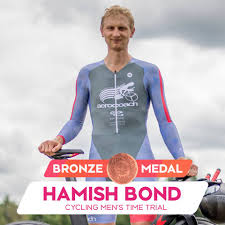
Hamish Bond’s national velodrome 4,000m pursuit record and gold medal, following his switch from time trialling (he won TT bronze at the 2018 Gold Coast Commonwealth Games) to the track, was another exciting twist in the double Olympic rowing champion’s athletic career. Previously half of New Zealand’s dominant men’s coxless pair — undefeated for eight years — the 32-year old has now decided to return to the boat in an attempt to qualify for the Tokyo Olympics.
Bond is not the only example of the successful rowing-to-cycling transition at the highest level. After winning a silver medal at the Athens 2004 Olympics and World Championship gold the following year in the women’s quadruple sculling event, Rebecca Romero won the individual pursuit cycling title at the Beijing Games in 2008.
With rowing events always taking place during the first week of the Olympics, rowers can spend the second week soaking up the atmosphere and enjoying other sports as spectators. It was here Romero was reintroduced to cycling. “The atmosphere in the velodrome was wild,” she recalls watching Bradley Wiggins race in 2004. “A contact of my [now] husband suggested I would be good at the pursuit.”
What happened next?
“Following the 2005 rowing World Championships, I was out of the boat with a long-standing back injury, and I’d fallen out of love with the sport so I made the decision to leave rowing.”
British Cycling got wind of Romero’s interest in track cycling, and the coach tasked with developing a women’s squad for the Beijing Games called her and invited her to Manchester to get tested — the rest is history.
Other talent transfers include Olympic silver medallists Chris Bartley and Katie Greaves who ride for the Athlete Services Test Team; Rosamund Bradbury who sculled at the London 2012 Olympics and recently won the inaugural British Cycling Zwift eRacing Championships (and her brother Edmund, who rowed at Cambridge, now rides for JLT-Condor). An honorary mention too, to Cycling Weekly’s own Michael Hutchinson, who competed as a lightweight rower while studying. Some coaches have also made the crossover, with Team Sky coach Tim Kerrison competing and coaching rowing in his pre-cycling days. Of course, we can’t ignore the high-profile attempt by Wiggins to make the switch: he finished 21st at the 2017 British Rowing Indoor Championships. However, Wiggins abandoned the idea of rowing in Tokyo, citing other commitments.
All of this evidence points towards the possibility that rowing is a good background for a cyclist — and the follow-on suggestion that it might be an effective cross-training activity. Are there lessons that cyclists can learn from rowing? And could adding rowing to your training help improve your cycling?
Why do rowers make good riders? First up, physiology. Rowing is classified as a strength-endurance sport, and rowers, like cyclists, possess some of the highest aerobic capacities in elite sport. Absolute VO2max values as high as seven litres per minute are not unusual. Adjusted for weight, the values are less impressive, naturally — rowers are relatively heavy. Being heavier doesn’t much matter in rowing — you’re fighting the drag of water, not gravity. Lightweight rowers with VO2max values in close to 80ml/kg/min are not uncommon. The high-volume nature of training to improve aerobic capacity prepares rowers well for the rigours of cycling.
Having to overcome water resistance, and needing the ability to ‘change gear’ during a race, rowers must be powerful. Whoever can complete 240 power-clean repetitions with the most weight will win. This highlights the high-strength demands of the sport. Training for track cycling is similar — with time spent in the gym alongside high mileage on the road and intensity work on the track.
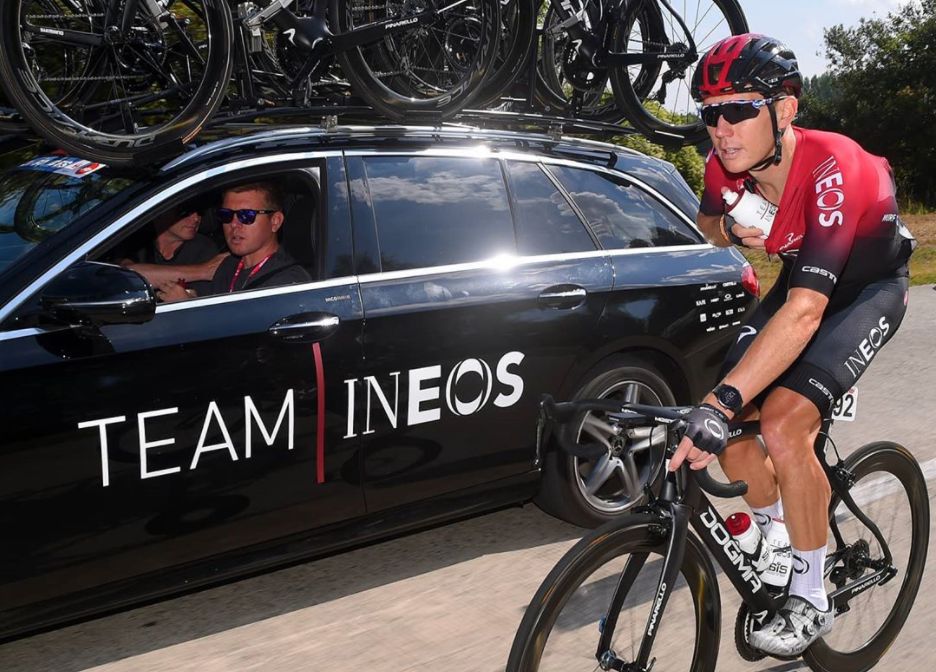
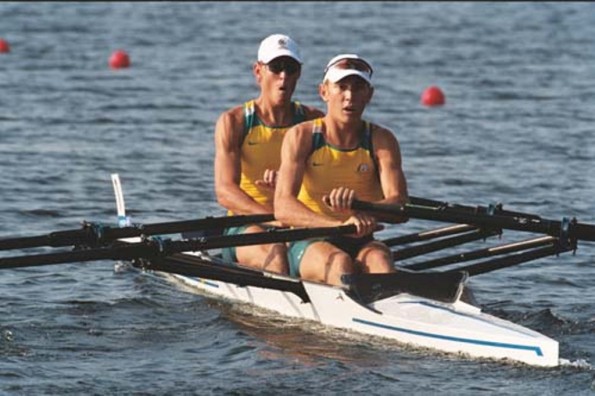
Only lightweight rowers have a realistic chance of making a successful switch to road cycling. With a maximum weight of 70kg for men and 57kg for women, these athletes are trained to produce high power outputs from relatively low body weight. Australian Cameron Wurf rowed lightweight at Athens 2004 before riding for the Cannondale road team, then switching to triathlon [and spend the past season riding with Team Ineos]. Chris Bartley retired from rowing in 2016, having won silver at London 2012 in the Lightweight Men’s coxless four — and last year he finished second in the British 25-mile TT championships.
Development and technique
The main reason why rowers find the switch to cycling more straightforward than vice versa is the technical demands of the sport. I mentioned the 240-repetition power-clean demand, but that was too simple. Imagine having to execute that set of repetitions on the deck of a wobbling boat, balancing a loaded tea tray on either end of the weights bar, synchronised with up to seven team-mates. Balance, timing, and ‘feel’, among other factors, require several years of dedicated practice — but can be picked up surprisingly quickly.
Rowing has a unique development pathway: while many rowers learn at school or as youths within the club system, many — including several Olympic champions — came to the sport as adults, taking up the sport at university. Double Olympic champion Helen Glover started rowing in 2008 aged 22 and in 2012 became one of the first British women to win an Olympic rowing gold medal. Glover competed at football, hockey and cross-country running before rowing but was considered highly ‘coachable’ and ‘trainable’ in her early rowing days.
Romero likewise competed in several different sports before finding rowing. A varied, multi-skilled background may make it possible for rowers to quickly apply their fitness to a new sport. Cyclists tend to be purists, spending many years solely riding their bikes. Rowers seem to be better equipped to transfer their skills.
Rowing training at elite level is very different from cycling training. Cycling is low-impact and a low-force/high-cadence exercise, so high-volume training is essential. Rowers have to overcome greater resistance in water, absorbed by the back, ribs and forearms. While textbook form and technique will reduce the risk of injury, fatigue and loss of form are hazardous. Hence, rowers rarely train for longer than two hours (including the occasional rest). Rowing training is supplemented with non-specific cross training — and cycling is the number one choice. Many national programmes include a weekly low-intensity long bike ride and winter training camps.
Can rowing boost cycling?
The successful transition of rowers into track cycling suggests that rowing training may have some tricks to offer to cyclists. Despite the relatively short event distance and times, rowing training has evolved to comprise high volumes of low-intensity training, combined with short, sharp intensity, roughly following an 80:20 polarised intensity distribution. International-level rowers train approximately 20-25 hours per week and clock 5,000-6,000km per season. Over the course of a four-year Olympiad, this equates to approximately 7,600 strokes in training for every single stroke of an Olympic final!
The unavoidably flat nature of lakes and rivers is comparable to the velodrome: it is consistent, and effort can be precisely measured (weather conditions aside). Rowers, therefore, programme training sessions with clear single training zone targets. Long steady-state rowing or ergometer sessions are the norm in international squads, with a tight range of intensity based on heart rate or blood lactate responses.
Whereas cyclists often include multiple efforts of different zones of work within a single training ride, rowing programmes timetable up to four shorter
In-your-face stats: there’s nowhere to hide on the indoor rower sessions in a day (including resistance training and core stability). The intensity-based ‘race-preparation’ sessions include isolated efforts to ensure quality.
The strength-endurance demands within rowing performance requires athletes to complete up to three weight training sessions per week, particularly during the winter months. Making improvements in strength and power alongside endurance is difficult, owing to the ‘interference effect’, where gains in strength are lessened by endurance work. Rowing coaches alleviate this by programming resistance training as the final session of a given day, to maximise strength adaptations.
Correct nutrition helps to maximise the effect of such strength training with emphasis placed on protein intake before, during and after such sessions. While strength training for track cycling is well established, and its use for road athletes is increasing, most cyclists would benefit from more weight training to improve their economy, with corresponding improvements in nutrition. Rowers are famous for their high-calorie intake. While macronutrient status has little effect on a six- to eight-minute race, meeting the demands of high-volume preparation means consuming up to 6,000kcal per day. As covered in these pages, many cyclists under-fuel in an attempt to lose weight and stay lean, putting their bone health at risk. Core stability is also critical to maintaining good form and effective rowing. Rowing places high force through the trunk, and common injuries include lumbar spine and rib problems, often caused by poor stability. Producing power on a bike requires a stable base too, so this is another way in which cyclists could benefit from training more like rowers.
As we have seen, rowers tend to switch quite easily to cycling because they’ve already been used to cycling as a cross-training activity. Cross-training is highly valued in many endurance sports but is often neglected in cycling. Of course, cycling is low-impact and relatively non-intense, so cross-training might not seem vital, but mixing things up can have a powerful effect.
Will doing some rowing help your riding?
It’s tempting to keep your training specific and only ever train on the bike — but you might be missing out with many clubs offering taster sessions. The technical nature of the sport takes time to develop, and it is difficult to register meaningful physical training during this time. A quicker and more convenient solution is indoor rowing. The stability and reduced technical demands mean you are quickly rewarded for your efforts and, in short, yes — there may be some advantages to including some rowing in your training programme.
Rowing is a whole-body exercise, so with correct technique, your legs, trunk and arms are subjected to an aerobic training stimulus. The quads, glutes and hamstrings should contribute the most to each stroke. If your training is mostly cycling, there is no harm in taking some of the pressure off the well-used muscle groups and involving the upper body too. Keeping the resistance low will allow more of a low-force/high-cadence approach, targeting the cardiovascular system rather than strength.
Dr Nicky Keay, who has published several studies investigating bone density in athletes, believes rowing is an excellent spine-loading exercise for those at risk of low bone density, whether through past under-fuelling or the lack of weight-bearing from cycling alone.
As previously mentioned, rowers need a strong and stable core, and good rowing drills and sequencing should enable you to sit stronger on your saddle too. It is easy to lose shape, but with a constant reminder of your split and effort on the screen on a rowing machine, the influence of technique on speed is clear. You can work hard, but a weak position will mean you leak power and quickly slow down.
Finally, rowing provides an experience that cycling cannot: a level of teamwork rarely called for in cycling. I am told the feeling of team cohesion and rhythm when you are part of a crew moving a single hull in perfect synchronicity is unbeatable. Like a team time trial without the option of losing a man, the whole really is greater than the sum of its parts.
This feature originally appeared in the print edition of Cycling Weekly. https://www.cyclingweekly.com/news/latest-news/why-do-so-many-elite-cyclists-have-a-background-in-rowing-486088
In this episode I cover the metrics that I track during a rowing season, to monitor and manage. This episode ought to be useful for anyone seeking to understand what training metrics and devices are best to improve their performance in rowing.
Original article written by Dr Shona L Halson, Department of Physiology, Australian Institute of Sport, and re-posted with permission.
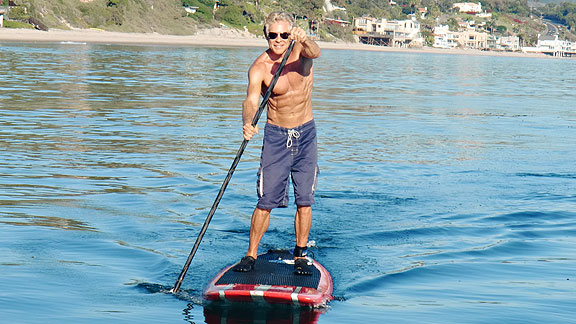
Image, Mark Sisson 2020.
High performance sport and the importance of successful performances have led athletes and coaches to continually seek any advantage or edge that may improve performance. It follows that the rate and quality of recovery is extremely important for the high performance athlete and that optimal recovery may provide numerous benefits during repetitive high-level training and competition. Therefore, investigating different recovery interventions and their effect on fatigue, muscle injury, recovery and performance is important.
Recovery aims to restore physiological and psychological processes, so that the athlete can compete or train again at an appropriate level. Recovery from training and competition is complex and involves numerous factors. It is also typically dependent on the nature of the exercise performed and any other outside stressors that the athlete may be exposed to. Athletic performance is affected by numerous factors and therefore, adequate recovery should also consider such factors.
METHODS TO ENHANCE RECOVERY
There are a number of popular methods used by athletes to enhance recovery. Their use will depend on the type of activity performed, the time until the next training session or event, and equipment and/ or personnel available. Some of the most popular recovery techniques for athletes include:
sleep,
hydrotherapy,
active recovery,
stretching,
compression garments,
massage and
nutrition.
SLEEP
Background
Although the function of sleep is not fully understood, it is generally accepted that it serves to recover from previous wakefulness and/or prepare for functioning in the subsequent wake period. An individual’s recent sleep history therefore has a marked impact on their daytime functioning. Restricting sleep to less than 6 hours per night for four or more consecutive nights has been shown to impair cognitive performance and mood, disturb glucose metabolism, appetite regulation and immune function. This type of evidence has led to the recommendation that adults should obtain 8 hours of sleep per night.
While there are considerable data available related to the amount of sleep obtained by adults in the general population, there are few published data related to the amount of sleep obtained by elite athletes.
Sleep deprivation
There are a limited number of studies which have examined the effects of sleep deprivation on athletic performance. From the available data it appears that several phenomena exist. Firstly, sleep deprivation must be greater than 30 hours (one complete night of no sleep and remaining awake into the afternoon) to have an impact on anaerobic performance. Secondly, aerobic performance may be decreased after only 24 hours and thirdly, sustained or repeated bouts of exercise are affected to a greater degree than one-off maximal efforts.
The mechanism behind reduced performance following prolonged sustained sleep deprivation is not clear, however it has been suggested that an increased perception of effort is one potential cause. While the above studies provide some insight into the relationship between sleep deprivation and performance, most athletes are more likely to experience acute bouts of partial sleep deprivation where sleep is reduced for several hours on consecutive nights.
Partial sleep deprivation
Only a small number of studies have examined the effect of partial sleep deprivation on athletic performance. From the available research it appears that sub- maximal prolonged tasks may be more affected than maximal efforts particularly after the first two nights of partial sleep deprivation.
Effects of sleep extension and napping
Another means of examining the effect of sleep on performance is to extend the amount of sleep an athlete receives and determine the effects on subsequent performance. Information from the small number of studies suggests that increasing the amount of sleep an athlete receives may significantly enhance performance.
Athletes suffering from some degree of sleep loss may benefit from a brief nap, particularly if a training session is to be completed in the afternoon or evening. Naps can markedly reduce sleepiness and can be beneficial when learning skills, strategy or tactics in sleep deprived individuals. Napping may be beneficial for athletes who have to routinely wake early for training or competition and for athletes who are experiencing sleep deprivation.
Habitual sleep duration
According to a 2005 Gallup poll in the USA, the average self-reported sleep duration of healthy individuals is 6.8 hours on weekdays and 7.4 hours on weekends (National Sleep Foundation, 2006). However, the sleep habits of elite athletes have only recently been investigated. Leeder et al4 compared the sleep habits of 47 elite athletes from Olympic sports using actigraphy over a 4-day period to that of age and gender-matched non-sporting controls. The athlete group had a total time in bed of 8:36 hour:minutes, compared to 8:07 in the control group. Despite the longer time in bed, the athlete group had a longer sleep latency (time to fall asleep) (18.2 minutes vs 5.0 minutes), a lower sleep efficiency (estimate of sleep quality) than controls (80.6 vs 88.7%), resulting in a similar time asleep (6:55 vs 7:11 hour:minutes). The results demonstrated that while athletes had a comparable quantity of sleep to controls, significant differences were observed in the quality of sleep between the two groups.
While the above data was obtained during a period of normal training without competition, athletes may experience disturbed sleep prior to important competition or games. Erlacher et al administered a questionnaire to German athletes to assess possible sleep disturbances prior to competition. Of these athletes, 66% (416) reported that they slept worse than normal at least once prior to an important competition. Of these 416 athletes, 80% reported problems falling asleep, 43% reported waking up early in the morning and 32% reported waking up at night. Factors such as thoughts about competition (77%), nervousness about competition (60%), unusual surroundings (29%) and noise in the room (17%) were identified as reasons for poor sleep. Therefore it appears that sleep disturbances in athletes can occur at two time points:
prior to important competitions and
during normal training.
This sleep disruption during normal training may be due to a poor routine as a consequence of early training sessions, poor sleep habits (i.e. watching television in bed), nocturnal waking to use the bathroom, caffeine use and excessive thinking/worrying/planning. While not documented in the literature, anecdotal evidence also suggests that athletes such as footballers who compete at night also have significant difficulties falling asleep post-competition. Athletes should focus on utilising good sleep hygiene to maximise sleep.
Strategies for good sleep include:
The bedroom should be cool, dark and quiet. Eye masks and ear plugs can be useful, especially during travel.
Create a good sleep routine by going to bed at the same time and waking up at the same time.
Avoid watching television in bed, using the computer in bed and avoid watching the clock.
Avoid caffeine approximately 4 to 5 hours prior to sleep (this may vary between individuals).
Do not go to bed after consuming too much fluid as it may result in waking up to use the bathroom.
Napping can be useful, however generally naps should be kept to less than 1 hour and not too close to bedtime as it may interfere with sleep.
HYDROTHERAPY
Although hydrotherapy is widely incorporated into post-exercise recovery regimens, information regarding these interventions is largely anecdotal. The human body responds to water immersion with changes in the heart, peripheral resistance and blood flow, as well as skin, core and muscle temperature alterations. These changes in blood flow and temperature responses may have an effect on inflammation, immune function, muscle soreness and perception of fatigue.
Various forms of water immersion are becoming increasingly popular with elite athletes. While athletes have been using hydrotherapy for a number of years, we are now beginning to see increased research into water immersion, recovery and performance. The most common forms of water immersion are cold water immersion (CWI), hot water immersion (HWI) and contrast water therapy (CWT), where the athlete alternates between hot and cold water immersion.
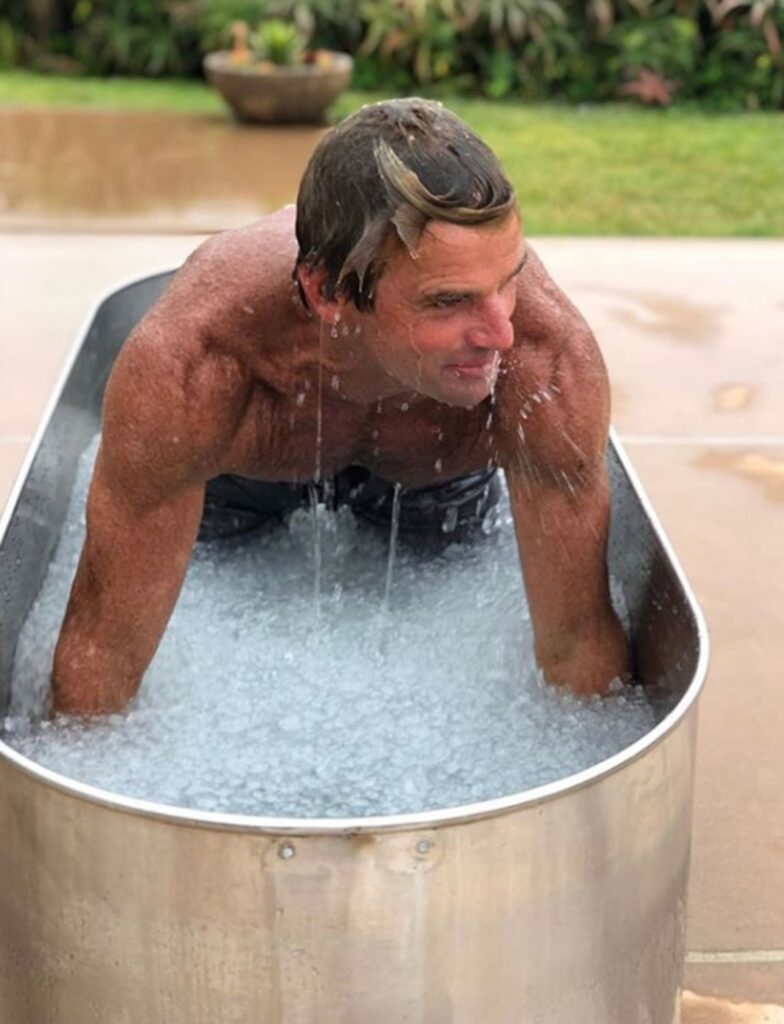
Laird Hamilton in an ice bath
The effects of three hydrotherapy interventions on next day performance recovery following strenuous training was investigated on 12 male cyclists who completed four experimental trials differing only in recovery intervention: CWI, HWI, CWT or passive recovery. After completing each exercise session, participants performed one of the four recovery interventions (in a randomised crossover design). Sprint and time trial performance was enhanced across the 5-day trial following both CWI and CWT when compared to HWI and passive recovery.
The same authors also examined different water immersion temperatures (15 minutes of intermittent immersion in 10°C, 15°C, 20°C, continuous immersion in 20°C water, and active recovery). Two 30-minute cycling bouts performed in the heat were separated by 60 minutes, with one of the five recovery strategies performed immediately after the first exercise bout. Each trial was separated by 7-days. All water immersion protocols improved subsequent cycling performance when compared to active recovery, demonstrating the benefits of cold water immersion in the heat.
In a study investigating a dose-response effect of CWT improved cycling time trial and sprint performance was observed following 6-min of CWT (hot water: 38.4°C; cold water: 14.6°C; 1 minute rotations) when compared with control (passive rest). Twelve minutes of CWI also improved sprint total work and peak power. There was no improvement in repeat performance with 18-minutes of CWT, indicating that a dose-response relationship does not exist under these conditions. The same research group repeated the above study with trained runners using identical water immersion times and temperatures and the same time between exercise bouts (2 hours). The results of this study again did not show a dose-response relationship between running performance and CWT; however, CWT for 6-minutes improved performance, whereas 12 and 18-minutes did not. Importantly, this study was performed outdoors in an environmental temperature of 14.9°C and the increased duration of cold water exposure may have reduced the potential benefits of longer water immersion durations. Therefore, benefits of longer duration CWT may potentially occur in warmer environments.
From available literature it appears that hydrotherapy may be beneficial for athletes, particularly those performing high intensity efforts. Specifically, CWI and CWT appear more beneficial than HWI for recovery.
ACTIVE RECOVERY
Active recovery generally consists of aerobic exercise which can be performed using different modes such as cycling, jogging, aqua jogging or swimming. Active recovery is often thought to be better for recovery than passive recovery due to enhanced blood flow to the exercised area and clearance of lactate and other metabolic waste products via increased oxygen delivery.
It is not clear whether there are benefits of active recovery between training sessions or following competition in various sports. No detrimental effects on performance have been reported following active recovery (when compared to a passive recovery) between training sessions, with a small amount of literature reporting enhanced performance. Many researchers, however, use the removal of lactate as their primary indicator of recovery and this may not be a valid indicator of enhanced recovery and ability to repeat performance at a previous level. The role of active recovery in reducing lactate concentrations and reducing muscle soreness after exercise may be an important factor for athletes. This is anecdotally reported to be one of the most common forms of recovery and utilised by the majority of athletes for these reasons.
STRETCHING
Although stretching is anecdotally one of the most used recovery strategies, there is very little literature examining the effects of stretching as a recovery method. There have been mixed reports regarding the benefit of stretching as a recovery strategy. However, two separate reviews of recovery methods concluded that there was no benefit for stretching as a recovery modality. It is important to note that to date, there have not been any detrimental effects on performance associated with post-exercise stretching.
COMPRESSION GARMENTS
Many recovery strategies for elite athletes are based on medical equipment or therapies used in patients. Compression clothing is one of these strategies. It has traditionally been used to treat various lymphatic and circulatory conditions. Compression garments are thought to improve venous return through application of graduated compression to the limbs from proximal to distal. The external pressure created may reduce the intramuscular space available for swelling and promote stable alignment of muscle fibres, attenuating the inflammatory response and reducing muscle soreness. While there is currently minimal research into compression garments and recovery for endurance athletes, the small amount of data suggests that they may be beneficial and do not appear to be harmful to the recovery process.
MASSAGE
Massage is a widely used recovery strategy among athletes. However, apart from perceived benefits of massage on muscle soreness, little data has shown positive effects on repeated exercise performance. Furthermore, increased blood flow is one of the main mechanisms proposed to improve recovery (thus improving clearance of metabolic waste products). Several reviews of the effects of massage have concluded that while massage is beneficial in improving psychological aspects of recovery, most evidence does not support massage as a modality to improve recovery of functional performance. However, as massage may have potential benefits for injury prevention and management, it should still be incorporated in an athlete’s training programme for reasons other than recovery.
SUMMARY
As recovery research is a relatively new area for scientists, many of the current recommendations are general guidelines only. It is important that athletes experiment with a variety of strategies and approaches to identify the recovery options that work best for each individual. However, it is known that optimal recovery from training and competition may provide numerous benefits for athlete performance. Recovery strategies such as hydrotherapy, low-intensity active recovery, massage, compression garments, stretching or various combinations of these methods may have merit as recovery-enhancing strategies. Importance should also be placed on optimal post-exercise nutrition and adequate sleep to maximise recovery and reduce fatigue from exercise.
Dr Shona L Halson, Department of Physiology, Australian Institute of Sport.
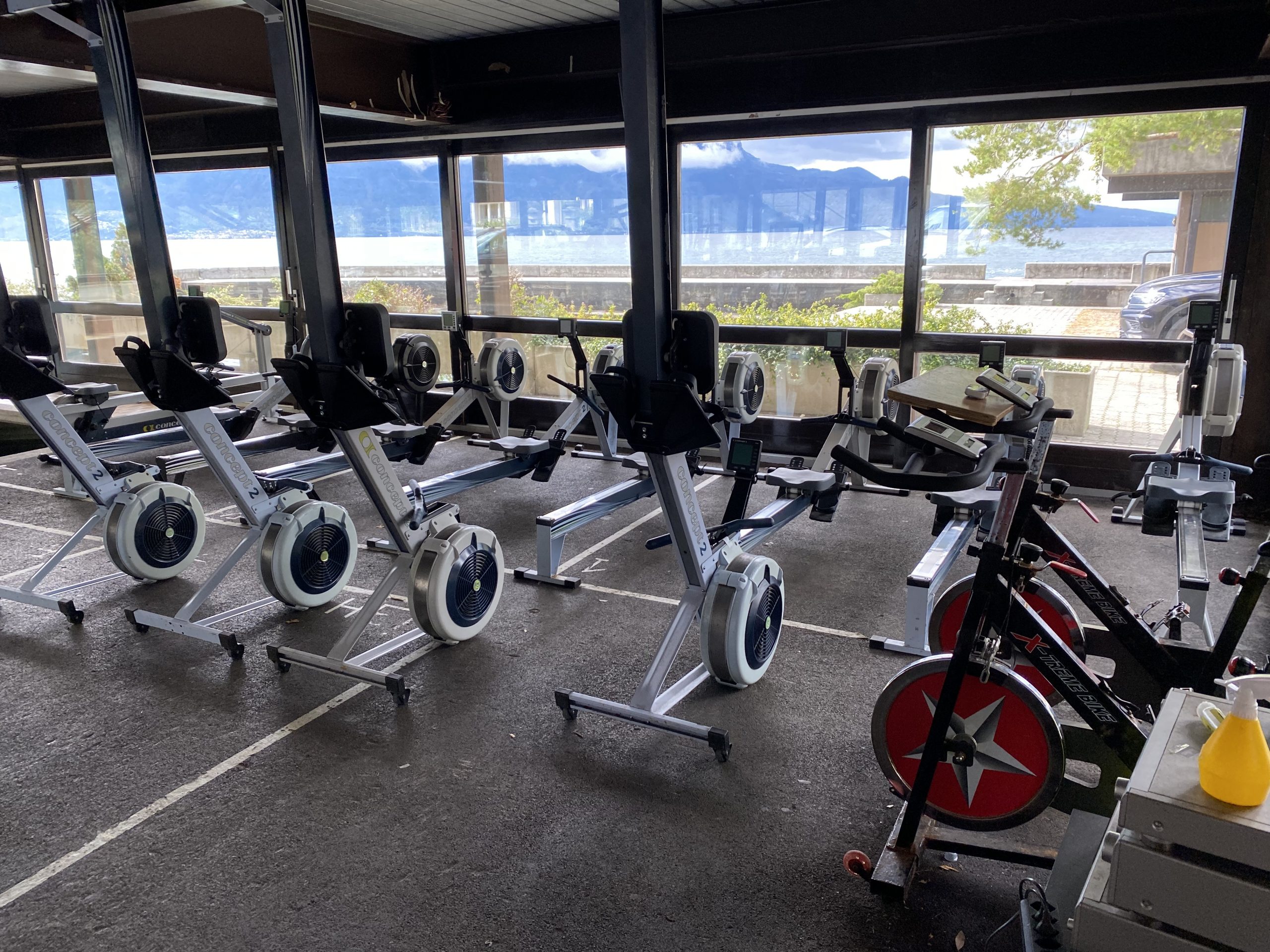
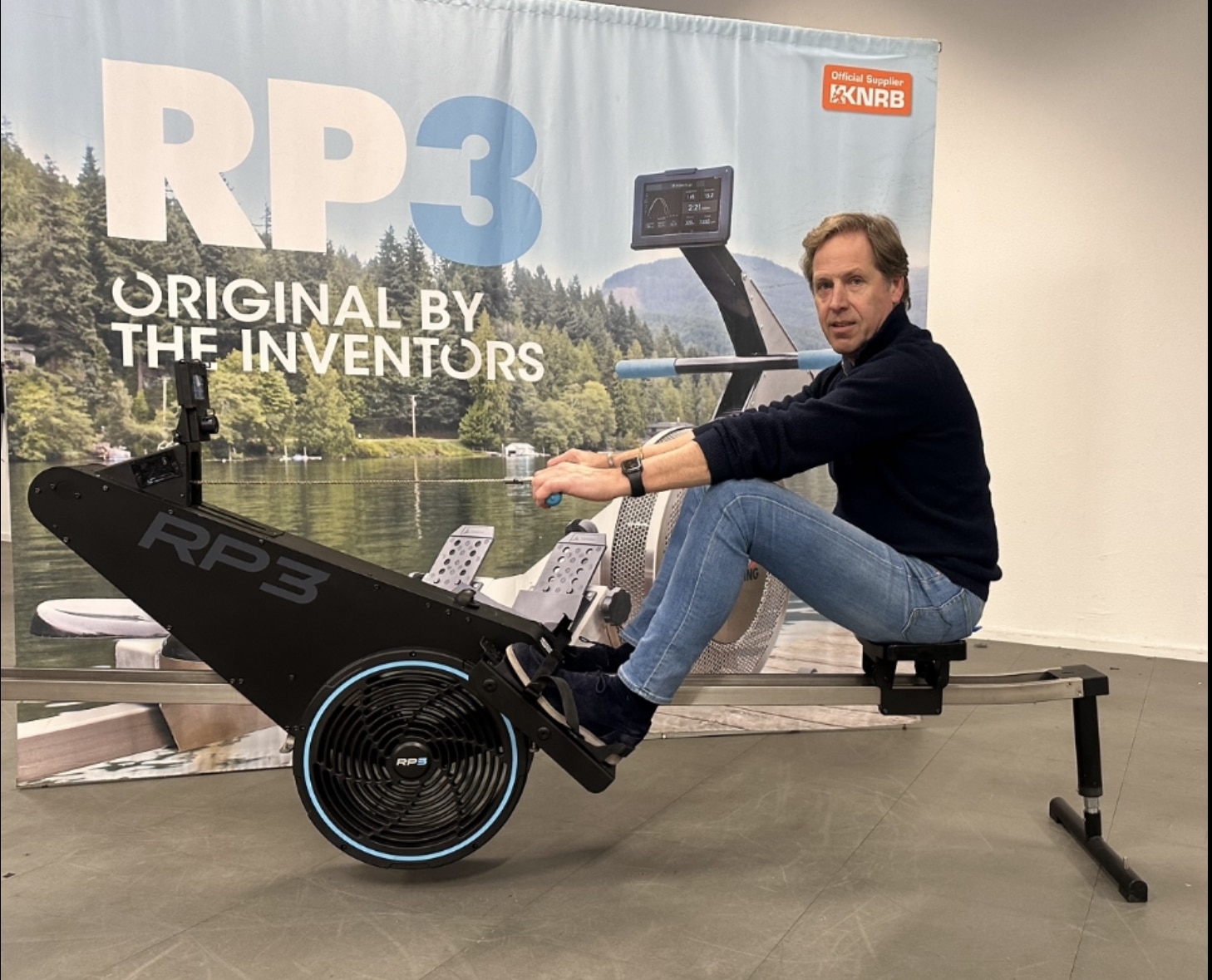
Sharing with you some of my Go To Ergo sessions from the last 6-months. Each of these sessions can be done done on the Concept2 Dynamic, Model D static or RP3 machine. I use a polarised 5 zone heart rate model to guide training intensity. More information of how to train with heart rate can be found on my online courses page, and include easy to use heart rate zone calculator tools. I like to use the Citius Remex seat pad and recommend it for those that don’t want a pain in the backside and legs after long sessions. Citius Remex offer our readers 10% discount at checkout with the code: NoAssPain2020
Long Endurance Base Building Sessions
Target heart rate in zone 2
3 x 20 minutes – stroke rate 18-20 in zone 2
4 x 20 minutes – stroke rate 18-20 in zone 2
Strength Endurance Sessions
Target heart rate in zone 2 & 3
4 x 15 minutes
First 15 minutes at stroke rate 18-20 in zone 2 at fan normal setting 3-4
Next 15 minutes at stroke rate 18-20 in zone 3 at fan setting 8-10
Next 15 minutes at stroke rate 18-20 in zone 2 at fan normal setting 3-4
Final 15 minutes at stroke rate 18-20 in zone 3 at fan setting 8-10
5-10 minutes cool down
Progressive Intensity Pyramid
This is a good work out to stimulate your zone 3 and zone 4 heart rate zones. I like to do this work out in spring time, to prepare for the harder, longer zone 4 intervals.
10 minute progressive warm up to heart rate zone 4
5 minutes stroke rate 22
4 minutes stroke rate 24
3 minutes stroke rate 26
2 minutes stroke rate 28
1 minute stroke rate 30
2 minutes stroke rate 28
3 minutes stroke rate 26
4 minutes stroke rate 24
5 minutes stroke rate 22
5-10 minutes Cool down
Long High Intensity Threshold Intervals
Build up your capacity to collecting 30+ minutes in heart rate zone 4. It is not unusual to take 1-2 minutes in each interval for your heart rate to adjust and move into zone 4. I generally aim to maintain a maximum pace that I can sustain for 8 minutes, yet manage the intensity not to go into zone 5.
10 minute progressive warm up to heart rate zone 4
3-5 x 8 minutes – stroke rate 28-32 in heart rate zone 4, with a 4 minute rest between intervals.
5-10 minutes Cool down
This is a longer and harder workout, and designed to develop your anaerobic capacity.
10 minute progressive warm up to heart rate zone 4
3-5 x 10 minutes – stroke rate 28-32 in heart rate zone 4, with a 5 minute rest between intervals.
10 minutes Cool down
High Intensity Interval Training (HIIT)
10 minute progressive warm up to heart rate zone 4
5 minutes of alternating 15 seconds on (100%) 15 seconds off (50%)
5 minutes rest
Repeat 5 times
10 minutes Cool down
Tabata style High intensity intervals 30:30
10 minute progressive warm up to heart rate zone 4
5 minutes of alternating 30 seconds on (100%) 30 seconds off (50%)
5 minutes rest
Repeat 5 times
10 minutes Cool down
Tabata style High intensity intervals 40:20
10 minute progressive warm up to heart rate zone 4
5 minutes of alternating 40 seconds on (100%) 20 seconds off (50%)
5 minutes rest
Repeat 4 times
10 minutes Cool down
10 minute progressive warm up to heart rate zone 4
Race Pace Intervals
Great workout to get used to race pace. I like to incorporate the start sequence and transition into race pace. I also like to start at race pace and accelerate into the finish burst.
10 minute progressive warm up to heart rate zone 4
Easy to prepare and full of natural superfoods and slow release carbohydrates to power you along. A great meal to fuel training sessions up to 90 minutes long. Enjoy.
1 ½ cups of rolled oats
1 tablespoon of chia seeds
Small handful of crushed walnuts
½ cup of blackberries & raspberries (frozen work well)
1 medium sized banana sliced
Dessert spoon of local honey
Mix together & cover with water (coconut water is a nice addition)