Posts Tagged ‘Masters Rowing’
Athletes: Fit but Unhealthy?

Scientific article I’m reading and wrapping my brain around the paradox presented by Dr Phil Maffetone & Paul Laursen. “While the words “fit” and “healthy” are often used synonymously in everyday language, the terms have entirely separate meanings. Fitness describes the ability to perform a given exercise task, and health explains a person’s state of…
Read MoreSimple tip to help you avoid overtraining
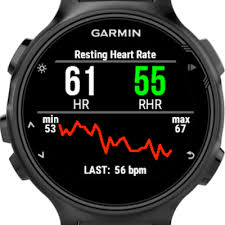
Morning Resting Heart Rate (MRHR), when tracked regularly, is an easy method for monitoring fatigue levels, understanding how well you’re adapting to workouts, and can help prevent long-term overtraining. I like to keep an eye on my resting morning heart rate trends over time, and especially in the two or three days after a hard…
Read MoreThe Physiology of the Finishing Kick

What can we learn from the studies done on other sports like running, and how does this potentially apply to rowing? We see crews that bolt out of the start and hold a fast pace all the way (Aussie Men’s 4-) and the Kiwi Pair that settle into a relentless pace and simply grind through…
Read MoreHydration and Sun Protection strategies for Master’s Rowers in Europe’s Summer Heat

The summer months have brought scorching temperatures, creating challenges for athletes training outdoors. Whether you’re a seasoned rower or new to the sport, it’s essential to prioritize hydration and sun protection to ensure your safety, well-being, and optimal performance.
Read MoreAre you getting enough?

Recovery Through Sleep Sharing an article I came across whilst researching approaches to recovery. Original article on Training Peaks and by Simon Wegerif, 2020 Simon Wegerif explains how proper sleep habits affects training and recovery, and how to make the most of your sleep. Sleep is one of the main mechanism by which the body…
Read MorePodcast episode – Metrics I use to track & manage my rowing training for performance

Latest episode where I cover the metrics to track in a rowing programme.
Read MoreHow Alcohol Impacts Your Sleep

One of the things I’ve been experimenting with, over the last 8-weeks, is measuring and tracking my Heart Rate Variability (HRV) and Morning Resting Heart Rate (MRHR). I’m doing this to understand how I am recovering from training and day-to-day stress. I’ve been really surprised at the impact of a couple of glasses of wine…
Read MoreWhat is Heart Rate Variability (HRV)?

Sharing exerts from original articles on HRV, published on Harvard University Health Blog (2017) and Oura website 2020. What is HRV? As popular as the metaphor may be, a healthy heart doesn’t beat as regularly as a metronome—it actually changes its rhythm with each beat. This constant variation in milliseconds between your heartbeats is known…
Read MoreOne Hundred and Fifty Years of Rowing Faster
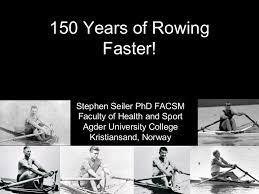
An excellent summary of factors influencing rowing performance, and ideas for why rowing times have improved so dramatically over the past 150 years.
Read MoreZone 2 Training For Masters Rowers. The importance of your aerobic foundation. (Premium access)

Vevey, Switzerland
Read More