Many of us will be doing a lot of training on the rowing machine in these coming weeks, and it’s important to understand the impact of sweat and proper hydration. This article by Andy Blow, provides good insights and tips for all of us using the Concept2 to train indoors.
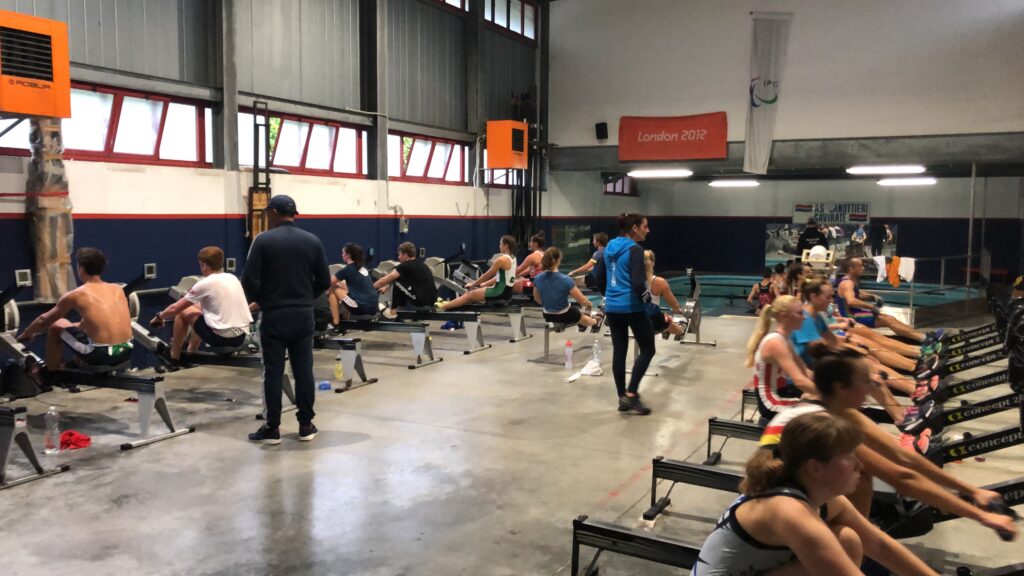
Gavirate Rowing Club 2020. Photo WH Chambers.
Original article by Andy Blow, BSc Honours degree in Sports and Exercise Science from the University of Bath, Precision Hydration (2020). Precision Hydration support our newsletter subscribers with 10% off all purchases, when you use the discount code; Faster10 at checkout. www.precisionhydration.com
Indoor training can be viewed as an unfortunate but necessary evil by some athletes, while others relish the opportunity to get in the ‘Pain Cave’ and log those hours on the turbo trainer or treadmill.
There’s often an impressive (and slightly dangerous) pool of sweat on the floor whenever I’ve finished an indoor training session. So, does that puddle mean I sweat more when training indoors than outdoors? Let’s find out…
The effects of heat on sweat rate
The body controls core body temperature (CBT) to keep us alive and functioning, and we sweat when our CBT rises above a certain point.
The heat given off by working muscles has the greatest influence on CBT when exercising, so how hard you’re working has a massive impact on your sweat rate and more so than body fat, weight and overall size. This was emphasised by the findings of a recent study.
So, the average indoor workout is probably more intense than an outdoor session because we generally go for ‘quality’ over ‘quantity’ (unless you really enjoy being in your ‘pain cave’ for hours and hours on end). Therefore, this results in a higher sweat loss per unit of time.
Air Flow and Temperature
Two other important factors which will impact on how sweaty you get when training indoors are Air Flow and Temperature:
Air Flow
When outdoors, you’re moving through air so you get some airflow past the skin. Air movement causes heat to be drawn away from the body’s surface more effectively (via convection and sweat evaporation) and this cools you.
On a static bike or treadmill, you lose this airflow and the sweat tends to drip off you, making you more aware of it. And as there’s no natural cooling effect, you probably actually do sweat a little more to compensate too (unless you attempt to mitigate the lack of air flow by adding a fan to your indoor ‘Pain Cave’…).
Temperature
Your body tries to offload heat to the environment when you’re training. The bigger the gradient between the air temperature, and the lower the humidity, the easier it is for heat to be evaporated away. As many places we train indoors are already quite warm and humid, the gradients for heat loss and evaporation are less pronounced than outside, and this further hinders thermoregulation and drives sweat rate up.
So, whilst you don’t necessarily sweat significantly more indoors than outdoors, there are reasons why total sweat loss might be higher some of the time.
Tips for staying hydrated during indoor training
There are five simple steps you can take to ensure that you are well hydrated for your daily indoor training session…
Before: Arrive well hydrated
As we mentioned earlier, most people’s indoor training sessions are short and intense as we go for the old ‘quality over quantity’ approach. So, it’s important to make sure you start hydrated by doing some form of preload as this will maximise your ability to thermoregulate by sweating.
Aim to drink around 500-750ml (16-25oz) of plain water mixed with a strong electrolyte drink (we recommend PH 1500) a few hours before you start your session. Use a bit of trial and error over the course of a few sessions to refine this approach.
Before: Don’t overdo your fluid intake
Having said that, there’s no need to go overboard on fluid intake in the immediate build-up to your session. Just try to stick to good hydration practices on a day-to-day basis.
Before: Add sodium
If you do find yourself low on fluid leading up to a session, it’s a good idea to add additional sodium to your drinks in the preceding hours as this maximises absorption of the fluids you do consume.
During: Drink to thirst during the session
This comes back to the ‘don’t overdo it’ point. Ultimately, don’t interfere with what you’re actually there to do (i.e. get sweaty on the turbo or treadmill) by trying to taking on unnecessary amounts of fluid.
Don’t forget to stay on top of your hydration when training indoors and following these simple steps will help keep you hydrated correctly and able to perform at your best.
This is a repost of an interesting article on why athletes suffer from cramp, by Andy Blow. Medically reviewed by Dr Tamara Hew-Butler. Original article can be found at precision hydration.com
The causes of muscle cramp in athletes remain a contentious issue in the scientific world. We’ve taken a look at the competing theories of cramp, the major studies and detailed the methods that can help alleviate the symptoms of cramp…
Definition of muscle cramp
I have a strong personal interest in the subject of Exercise Associated Muscle Cramps (EAMC) because I used to be a chronic sufferer back when I was competing.
For as long as I can remember I seem to have been especially susceptible to ‘sudden, involuntary, spasmodic contractions’ of selected my muscles – to borrow a phrase from the dictionary definition – to the point where cramps ruined numerous important races for me.
I’ve also been plagued with horrible contractions in my legs that have woken me up during the night after hard training sessions, and on one memorable occasion cramp even cost me a Chicken Tikka Masala when an extremely violent hamstring spasm made me kick over my table during a quiet meal after a race.
Despite the fact that muscle cramps are a very common phenomenon and that they have been widely studied, no-one really knows the full story about cramp yet.
In spite of this, over the last ten years or so I seem to have largely got on top of my issues with cramp. This has come through modifying my behaviour, diet and expectations of my body based on what I’ve learned through a combination of reading and personal experimentation.
So, if you’re a fellow cramper, there may be hope. Here are some of the things I’ve picked up along the way in case they help you win your own war on cramp. If you want to skip past the science to the potential solutions, just click here (I won’t hold it against you).
What causes exercise associated cramps?
In the research world there are essentially two competing theories of what causes Exercise Associated Muscle Cramp…
This theory is probably the oldest. It speculates that a significant disturbance in fluid or electrolyte balance, usually due to a reduction in total body exchangeable sodium stores, causes a contraction of the interstitial fluid compartment around muscles and a misfiring of nerve impulses, leading to cramp.
In simpler terms, if you lose a lot of sodium and don’t replace it (as is common when you sweat a lot) it can cause fluid shifts in the body that in turn causes cramps.
This theory is predominantly based on plenty of case studies, observational data, anecdote and expert opinion (what scientists call ‘level 4 and 5 evidence’). So, although there’s a decent amount of circumstantial weight behind it, it lacks the more “concrete proof” of data from large scale randomised controlled trials (RCTs) which is rightly considered necessary by proponents of evidence-based practice for it to be widely accepted as anything approaching ‘fact’.
The ‘Neuromuscular Theory’
This theory is more recent and proposes that muscle overload and neuromuscular fatigue are the root causes of Exercise Associated Muscle Cramp. The hypothesis is that fatigue contributes to an imbalance between excitatory impulses from muscle spindles and inhibitory impulses from Golgi tendon organs, and that this results in a localised muscle cramp.
In other words, muscles tend to cramp specifically when they are overworked and fatigued due to electrical misfiring.
This theory is much better suited to being tested in a lab (where researchers can ‘excite’ muscles with electrical stimuli and provoke muscle cramps to measure what is happening at an electrical level) and so there’s arguably more robust data to support it than is the case for the Dehydration/Electrolyte depletion model (although a recent lab-based study has looked at the effects of electrolyte intake on cramping threshold). It’s probably also fair to say that, in certain circles at least, this theory is gaining widespread popularity at the moment.
One big factor that does appear to support the neuromuscular theory is that stopping and stretching affected muscles is a pretty universally effective method to fix a cramp when it is actually happening. What stretching does is put the muscle under tension invoking afferent activity from the Golgi Tendon Organs (part of the muscle responsible for telling it to relax) and causing the cramp to dissipate.
Scientific studies of cramp
Studies in this area that looked at the general electrical activity of muscles (EMG) have also shown increased baseline levels of excitatory activity in fatigued muscles right between bouts of cramping – as if the muscles are firing away more excitedly than they should and ‘close’ to cramping even when they are not. Again this tends to support the conclusion that fatigue is somehow causing problems for the muscle to relax so are often cited to back up this theory.
Field studies that have failed to find major differences in the blood electrolyte profiles of athletes getting cramps during events like triathlons and marathons are often cited to dismiss the dehydration/electrolyte theory. This is essentially saying that if there’s no difference in blood electrolyte levels between crampers and non-crampers then it cannot be an influencing factor.
Unfortunately what these studies tend to overlook is the fact that blood electrolyte levels can be quite stable in athletes in the face of vastly different levels of total sweat and sodium loss.
This is because the body tends to protect sodium concentration in the blood at the expense of blood volume when sweat losses are high, so seeing similar blood sodium concentrations in crampers and non-crampers is not necessarily indicative of anything and could even be a bit misleading in the context of the bigger picture.
In fact in one of the major studies often cited in this area researchers did find that crampers ended an ultra marathon race with statistically lower serum sodium values than non-crampers, but they deemed the difference ‘not clinically significant’ even if it was statistically different…and I think that this evidence can be viewed in different ways, depending on your predisposition!
At this point it’s important to steer your thinking away from this being a binary – ‘one or the other’ – argument between two competing ideas, even though this is how the topic of cramping is commonly presented in both the scientific and mass media.
As no-one definitively knows what’s going on with muscle cramps yet, focusing on a polarised argument between two incomplete theories is a lot less productive than looking at the bigger picture and considering the merits of both theories and the actionable advice they have to offer.
Back in the early 1900s cramp was more commonly viewed as a productivity issue for manual labourers doing hard physical work in hot environments, rather than not as an inconvenience to athletes.
Different groups of doctors and researchers took notes on numerous case studies around this time and some conducted rudimentary field tests. Whilst it’s fair to say that the research efforts were not anywhere near as rigorously structured as modern clinical trials, they did elicit a pretty universal consensus. That was that providing workers with adequate sodium chloride (salt) along with drinking water to help them replace what was being sweated out was quite effective in treating or preventing many cases of cramps.
“Excessive sweat is accompanied by abnormal loss of sodium chloride through the skin. Fluid replacement is necessary and should include sufficient sodium chloride, otherwise the individual will suffer from fatigue, cramp, or collapse…A suitable preparation of sodium chloride in tablet form is described…After extensive trial this has proved satisfactory in the prevention of fatigue and other symptoms due to excessive heat.”
It was this kind of work that inevitably shaped our early understanding of EAMC in relation to athletes.
These days it’s become quite fashionable for commentators seeking to ‘disprove’ the Dehydration/Electrolyte theory of EAMC to play down this early work in industrial medicine around salt and cramping as dated, flimsy and insignificant. This is especially true for staunch supporters of the neuromuscular theory. However, having read (and re-read) most of the work available from the era, I’m far from convinced that it deserves to be so easily dismissed.
I actually feel that playing it down as ‘old hat’ is perhaps just a convenient (or even slightly lazy) way of dealing with evidence that is otherwise incongruent with a more contemporary – but not necessarily more correct – way of thinking.
In addition to the early work on industrial workers, there are a few other perspectives on electrolyte balance and cramping that are worth highlighting here too. These, in their own way, add some credence to the idea that it’s still relevant…
The Salt Deprivation Study
The first is a classic study on salt depletion that was carried out by a pioneering doctor – R.A McCance – in the 1930s. McCance was a hands on type of researcher and was intrigued by the question of what would happen to the human body if it was depleted of salt but not fluid (numerous studies into dehydration had already been undertaken by then). He organised a study using himself and a couple of colleagues as test subjects.
Essentially what McCance and his co-workers did was subject themselves to an incredibly low salt diet. Along with their salt-free food, the subjects drank plenty of water and took hot baths to increase sweat output and accelerate salt loss. They found that when salt depletion started to kick in it quickly led to…
“…aberrations of flavour, cramps, weakness, lassitude, and severe cardio-respiratory distress on exertion.”
Interestingly, as soon as the test subjects reintroduced salt into their systems (eating bacon and drinking the fat from the pan I might add) their recovery from symptoms – including the absence of further cramping – was ‘dramatic’ with effects being felt within 15 minutes of ingestion of the salty meal.
This experience in particular – cramps disappearing soon after salt ingestion – is completely consistent with my own experiences in very long and hot triathlons when I had become salt depleted due to heavy sweating, so it definitely struck a chord with me when I first read it.
It’s also congruent with lots of other anecdotal evidence coming from athletes who train or compete in similar conditions of heavy sweat loss, but more on that later.
Image credit: Quang Nguyen Ven via Pexels (copyright free).
Hyponatremia and cramp
Another notable example of electrolyte disturbance associated with cramping can be found in case reports of people suffering with hyponatremia, especially when this occurs around exercise.
Hyponatremia is a condition where blood sodium levels fall lower than they should be due to dilution by over-consumption of water, excessive loss of sodium from the body, or both together as is common amongst athletes.
Cramping is often listed as a general symptom of hyponatremia in medical texts and there are case study reports in the literature such as one involving a UK serviceman who suffered cramps and collapsed whilst running in the heat in Saudi Arabia in 1991. He was successfully treated with intravenous saline (salt) solution and made a full recovery in the short term, but was later found out to have undiagnosed Cystic Fibrosis (CF) – a condition in which sufferers lose very large amounts of salt in their sweat.
It seems likely that this high rate of salt loss could have pre-disposed him to losing more salt than others doing the same exercise (who did not cramp and collapse) and contributed to him suffered the cramps and fatigue on more than one occasion when exercising in hot conditions.
Aside from this individual case it’s well known that CF sufferers can struggle with exercise in the heat, at least in part due to their elevated levels of salt and fluid loss through very salty sweating.
Athletic case studies and cramp anecdotes from the real world
There are a large number of case studies, observations and anecdotal reports from athletes whose cramping problems seem to be directly related to times when fluid and sodium balance are significantly disrupted due to heavy sweating.
For example, in 1996 Dr Michael Bergeron documented a case study (in the International Journal of Sport Nutrition and Exercise Metabolism) of a tennis player who often suffered with cramps during tournaments. Having ascertained that this player had a high sweat rate and was calculated to be unlikely to be replacing his sodium losses via his normal diet, he was prescribed an increased salt intake. The conclusion of the study was that…
“[The Player] was ultimately able to eliminate heat cramps during competition and training by increasing his daily dietary intake of sodium.”
In 2020, a study of a 17-year-old American Football player with a history of Cystic Fibrosis and hyponatremic seizure emphasised the importance of planning nutrition and hydration. The player had previously struggled with severe muscle cramping issues during his previous two seasons, but he got through an entire season with minimal cramp symptoms after establishing an appropriate electrolyte replacement and hydration plan.
At Precision Hydration we carry out an Annual Cramp Survey survey of athletes who had reported that they had suffered with muscle cramps at one time or another. Of the survey respondents many said that they had found that supplementing with sodium or salt during exercise had helped them manage or eliminate EAMCs.
As alluded to earlier, I also personally suffered through many long and hot triathlon races with debilitating cramps slowing me down during the run leg, or kicking in post race.
Through simple trial and error I gradually learned to consume plenty of sodium before the race and during the bike section (usually in the form of salt capsules) and found this to be extremely effective at not only reducing my cramping symptoms dramatically, but also helping overall performance in the latter stages of events.
Subsequently I also learned that I lose very large amounts of sodium in my sweat (approaching the levels that some Cystic Fibrosis sufferers lose) and that this is likely to have contributed to my issues.
Whilst I could go on with more of these kind of examples from different sports and athletes it’s probably better to stop at this point and move on at the risk of getting repetitive. The bottom line is that there are a lot of examples out in the real world of people losing a lot of salt (often via sweating) and suffering cramps as a result and that, very often, increasing their intake of salt (or sodium in other forms) seems to provide relief, or even prevents cramps from happening in the first place.
Of course, the big problem with case studies, observations and anecdote is that they can fail to paint a truly complete picture of what is really going on, because they can be influenced by bias, lack control groups and can fail to account for the placebo effect.
It has also been pointed out that not all cramps can be traced back to sodium loss (think about cramps that occur in cool conditions or at times when sweat losses are not significant) and that not all cramps respond to increased sodium intake. This is one big reason that the Neuromuscular Theory has been developed to try to fill in the gaps where sodium loss does not provide an adequate explanation for what is likely to be going on.
How to alleviate the symptoms of cramp
One thing that makes cramping so difficult to understand is that it remains a stubbornly fickle and unpredictable phenomenon to pin down and study properly. This is one reason why evidence for both the Dehydration/Electrolyte theory and the Neuromuscular theory is often not as robust as it could be.
Although I tended to cramp a lot when I was competing, especially in longer and hotter races, it didn’t happen every single race and it was relatively rare that it would occur in training. And this is the case for a lot of other athletes; cramps happen from time to time, but not all the time – so zeroing in on causative factors and cures can be tricky.
The bottom line appears to be that muscle cramps are likely to have multiple causes including, but not limited to, electrolyte imbalances and neuromuscular fatigue and that, as a result, it’s likely that multiple interventions are likely to be needed to try to eliminate these ‘different flavours’ of cramp. At Precision Hydration we surveyed hundreds of athletes who reported suffering from cramp and more than 85%of them had tried more than one method in an attempt to alleviate the issue.
Does pickle juice fix cramp?
In the last five years or so (and somewhat connected with the rise of the neuromuscular theory) there has been a lot of interest in the use of compounds that can stimulate something in the mouth called ‘transient receptor potential (TRP) channels’ and the possible effects these might have on cramping muscles.
TRP channels connect the mouth into the central nervous system and the hypothesis is that stimulating these receptors somehow causes a ‘jolt’ reaction down the nerves that disrupts the signals that are causing a cramp.
Substances that stimulate TRP channels are things like wasabi, mustard oil and other pungent spices and it’s thought that this is where the idea of using pickle juice to cure muscle cramps (a common practice in the USA in particular) comes from. Pickle juice contains acetic acid and it’s believed to be this (rather than the high levels of sodium in it) that stimulate the TRP receptors and help relieve cramps.
This would explain why cramps have sometimes been shown to be relieved almost instantly when pickle juice is ingested (the nerve stimulation happens almost instantly, whereas the sodium in it takes several minutes to travel to the gut and to be absorbed into the blood). It’s also consistent with the the general idea that the root cause of some cramp is found in the nervous system rather than solely an electrolyte imbalance.
There is no ‘magic bullet’ available to kill off muscle cramping at the moment and it doesn’t look like there will be one coming anytime soon.
However, if you’re not inclined to sit around twiddling your thumbs waiting for science to deliver in it’s own sweet time, there are a few things you might want to try if you are a cramper and want to try to get on top of the issue…
Increase your sodium intake
Based on my own experiences and the historical evidence I absolutely think it’s worth looking at your sodium intake in relation to your sweat output. It’s a cheap and simple exercise and has little downside to it. It’s certainly a good idea if your cramps tend to occur during or after periods of heavy sweating, in hot weather, late on during longer activities or if you generally eat a low sodium (or low carb) diet.
One note of caution however; if you do take on additional sodium, especially in the form of electrolyte drinks, make sure they are strong enough to make a real difference. Most sports drinks are extremely light on electrolytes (despite the claims they make on their labels), containing only about 300-500mg sodium per litre (32oz).
Human sweat, on average, comes in at over 900mg of sodium per litre (32oz), and at Precision Hydration we often measure athletes losing over 1500mg per litre (including myself) through our Advanced Sweat Test. It’s therefore a good idea to look for upwards of 1000mg sodium per litre in a drink and over 1500mg per litre if you suspect you are a particularly ‘salty sweater’. A good way to see where this should fit in to the rest of your hydration strategy is by taking this free online Sweat Test.
If you’re consuming salt or sodium separate to your fluids, in foods or capsule form, aim for a similar ratio (i.e. 1000-1500mg sodium along with each litre of water you drink) and remember that table salt (NaCl) is only 39% sodium (the other 61% is chloride), so you need ~3g of salt to give you ~1170mg of sodium.
Take the extra sodium in the hours immediately before and during activities that normally result in cramping and see how you get on (there’s a specific protocol laid out in this blog I wrote about how to start hydrated). You’ll know pretty quickly if this is effective or not, and can fine tune your dosage to balance cramp prevention with keeping your stomach happy over time (really excessive salt or sodium intake can cause nausea).
When I first started taking in additional sodium before and during long, hot triathlon races the effect was immediate and dramatic. I went from cramping up almost every time, to almost never having problems again. I ended up settling on a regime of consuming around 1000-1500mg of sodium per hour during long races (I lose a lot of salt in my sweat, 1,842mg/l in fact) and also found that taking this amount eliminated post-race cramping almost entirely as well.
Reduce fatigue
Because it seems highly likely that fatigue is also implicated in cramping, finding ways to minimise this is also logical. As obvious as many of them may sound try to make sure you tick all of the following boxes to ensure you’re not overloading your body excessively…
Train specifically for the event(s) that tend to induce cramps – i.e. with the right mix of volume and intensity to prepare your muscles for what is going to be asked of them.
Pace yourself appropriately based on fitness levels and environmental conditions to avoid overloading muscles prematurely.
Taper into events so that you are fresh and well rested when you start.
Make sure you’re adequately fuelled with plenty of carbohydrates on board before you start events and that you fuel adequately to avoid becoming glycogen depleted which can contribute to premature fatigue.
Other strategies
Other strategies that are far from proven, but that either make intuitive sense or have been used by athletes in the war on cramp include…
Sports massage and stretching of the affected muscles.
Acupuncture.
Thorough warm ups prior to cramp inducing activities.
Mental relaxation techniques.
Although none of these are likely to offer a complete solution they are generally accessible, inexpensive and may even benefit performance in other ways, so there would seem to be little downside to giving them a try.
Hopefully this overview of the major theories on what causes Exercise Associated Muscle Cramp have left you feeling better equipped to fight your own war on cramp.
Andy Blow is a Sports Scientist with a BSc Honours degree in Sports and Exercise Science from the University of Bath. An expert in hydration, he has co-authored a number of scientific studies and books.
He was once the Team Sports Scientist for the Benetton and Renault Formula 1 teams and remains an adviser to the Porsche Human Performance Centre at Silverstone.
Andy has finished in the top 10 of IRONMAN and IRONMAN 70.3 races, as well as winning an XTERRA Age Group World title. It was his own struggles with cramp that led to him specialising in hydration and founding Precision Hydration.
Success loves preparation, and it’s not uncommon to see athletes heading into the last months of the year, without a clear goal for the next year, and an understanding of what they need to do to achieve their goals. With the off season in Europe and America and with at least 6-months to racing in most of the world, we have an opportunity, to reflect on results from 2022, what went well and what can be improved for next year. Question is, will you take time to reflect and plan?
I thought I’d share the approach I use, along with the approaches from super successful masters athletes and coaches, with the intention of inspiring and even challenging you, in your approach to setting up, and preparing for the year ahead.
First, take some time off
Many rowers feel that they shouldn’t take a break at the end of the season. I like to take at least 3-weeks off, and sometimes 4-weeks. Rest the body and mind. Build up an appetite to get back in the boat, gym and ergo, to train through the off season. I use this time to build up my reserves, and to reflect what I need to do to go faster next year.
Review the year
Take some time to reflect on the year to date. What did you do this year, and how has it worked out?
What I review
Total training hours vs. prior year
Total annual training stress score (TSS) and total TSS in the last 8-weeks leading to a target race vs. plan vs. prior year
Percentage of time spent in high vs. low intensity vs. target
Number of strength sessions and progression in power to weight
Online and actual regattas, how’d you go? What were your results?
What blocked you and what would you do differently in hindsight?
New things you tried out during the year. Technique or equipment, how’d it go?
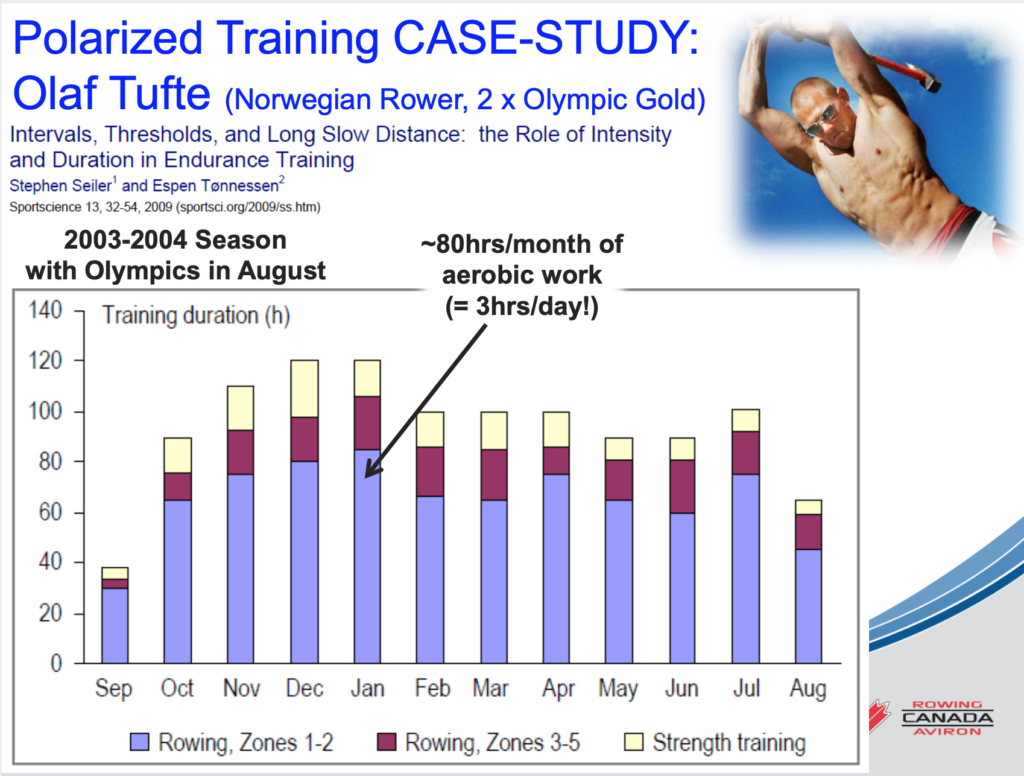
S Seiler & E Tonnessen (2009)
Some points to consider in reviewing the year
How did you do on the basics; sleep, nutrition and training consistency?
Did you complete all the sessions you planned, or did you miss some due to injury, fatigue or work etc…
Did you advance your technique (ergo & boat) to go faster? It’s noticeable at all intensities/power output, when rowers improve their technique. How’d you go? Are you getting the right advice? Have you consulted someone to help you? Are you focusing on the improvement or did you just go through the motions.
Did your aerobic efficiency improve over time? e.g. more power (watts) at your aerobic threshold. Did you measure this?
Did you improve your power at your anaerobic threshold?
Did your power and strength improve with training? Is this something you track and manage?
So What! Identify areas for improvement
Now that you have the what identified, i.e. data points from the season, a good question to consider is, so what? With good data from the year, you can start making informed decisions, on where to focus in the year ahead.
In my interview with multiple HOCR winner, Greg Benning, this is what he had to say about planning the year.
Goal #1: Do it better every year
Accretive: Start with prior year, try new stuff, keep best ideas
Incremental Gains: Keeping a list of strengths, weaknesses, measuring
Faster podcast interview with Greg Benning (2020)
If your power fades and you can’t last in a race, you may need to spend time building your aerobic base?
If you find that your power to weight has decreased, it will be time to get into the gym and build the strength over the months of Nov – Jan.
You have good times on the ergo yet this doesn’t translate to speed on the water in comparison to your peers. Time to get some technical advice and engage a coach.
Use the off season to invest
I use the time now to plan forward for next year, with a strong focus on what I need to do in the off season, to be ready for the base training in 4-months time.
Systems and tools to help me track and analyse performance
Getting crystal clear on the main target events, and how these fit around family and work
Identify clearly the gaps I need to close and the plan to close them
Planning out the main training phases.
Complete a strength and power block. Targeting an increase in lean muscle mass, before the high volume endurance work starts
Close the gaps in weak areas. For example, I may want to work on a specific area for strength improvement or flexibility.
Review and Plan are key aspects of success in life, business and sport. I hope that some of the points I have raised, challenge and inspire you, to review what you have done, and identify areas that will help you to go faster.
How to START hydrated and why that’s so important.
Sharing original article from Andy Blow, Precision Hydration. Medically reviewed by Dr Tamara Hew-Butler. Precision Hydration support our newsletter subscribers with 10% off all purchases, when you use the discount code; Faster10 at checkout. www.precisionhydration.com
The benefits of starting exercise hydrated
Much of the literature on hydration has focused on what athletes should drink during exercise, but your hydration status before you start exercising can have a huge impact upon your athletic performance…
When people talk about hydration, most of the time it’s about what and how much athletes should drink during exercise.
These are clearly important questions, but your performance is also massively influenced by how hydrated you are when you start exercising in the first place. Drinking a strong electrolyte drink to optimise your hydration status before long, hot or really hard training sessions and events can significantly improve your performance.
We call this “preloading” and the practice has been widely studied in the last 20 years or so, both with astronauts and athletes. Whilst there’s not a completely bullet proof consensus on the subject – there rarely is – there’s strong evidence that taking in additional sodium with fluids before you start sweating is effective in promoting increased acute fluid retention and in improving endurance performance, especially in the heat.
This blog aims to give you a more solid understanding of what you can do to arrive at the start of your next event optimally hydrated.
What are the benefits of preloading?
Once you begin sweating you’re generally going to be fighting a losing battle against fluid and electrolyte loss, so starting off properly hydrated can be extremely beneficial. When you’re properly hydrated you have a larger reservoir of fluid to draw from over time than if you’re dehydrated.
Starting well hydrated has other benefits too. Optimal hydration maximises your blood volume and this helps general cardiovascular function and your ability to dissipate the heat produced by your working muscles. This reduces fatigue and enables you to maintain your performance for longer.
Despite the relatively obvious benefits of starting exercise well hydrated, a recent study of over 400 amateur athletes showed that around 31% of them were turning up to training sessions (and, in some cases, competitions) dehydrated!
In amongst the data there were strong indications that this was very likely to be compromising their performance. This will probably seem like common sense, especially if you’ve ever tried exercising when you know you’re a bit ‘dry’. Who in their right mind would want to start exercising hard in a dehydrated state if they’re trying to perform at their best?
The problem with starting exercise dehydrated
This study certainly backs up previous work I’ve read on the subject and the kind of things we’ve seen over many years working with athletes in different scenarios. It’s certainly not uncommon to see people only really thinking about hydration once they turn up to a session rather than preparing in advance.
Often this just happens because those of us who are not full time athletes are running around flat out between workouts and aren’t always able to think about preparing properly for them 100% of the time. That’s just life.
But it can also be a problem for full-time athletes when training two or more times a day, or at times when they’re just under a very high total training load. That’s because uncorrected dehydration from a prior training session can make it’s presence felt when the next session gets underway. This blog addresses how to optimise your recovery by hydrating properly.
Although athletes turning up to training a bit low on fluids is relatively common, it’s generally less of an issue before major competitions. That’s not to say that turning up to an event dehydrated never happens, I’m sure it does.
The dangers of overdrinking and hyponatremia
But, because most athletes care a lot about their performance in big events, there’s a tendency to increase fluid intake before the big day because extra priority is placed on all aspects of last minute preparation.
The irony of this extra emphasis on pre-event hydration is that quite a lot of athletes can go from slightly under-drinking before training to significantly over-drinking pre-competition and this can lead to a different set of problems!
I’ve written about the common tendency to over-drink before races in the past and the bottom line is that it’s a very real problem that can potentially lead to hyponatremia (i.e. low blood sodium levels caused by inadequately replacing the sodium lost when sweating and further dilution by drinking plain water or weak sports drinks), something that can be pretty catastrophic for health and performance if it goes unchecked. A recent study found that 10% of athletes tested at the Ironman European Championships had hyponatremia, which shows you the extent to which hydration issues might be impacting performance.
The idea of carb loading – i.e. maximising the amount of glycogen you have stored in your muscles and liver before a strenuous activity – is one that’s well researched and essentially universally accepted as a performance-enhancing tactic.
OK, so sports scientists love to argue over exactly what and how much you should eat, and when exactly to shove it in your cake hole, but few sane athletes would argue with the principle that consuming additional carbohydrate calories (often combined with a tapering off in training load) in the final days before an event is a good idea.
That’s because you can store up and subsequently use a lot of this energy later on when you need to dig deep and burn through large amounts of fuel during a long or hard effort.
With hydration things are less clear cut than with carbs. As we’ve seen, many athletes do tend to increase fluid intake prior to important events or hard training sessions, with the vague notion that having more in the tank should result in better performance. But many unfortunately over do it in the process and this is harming their performance.
The importance of sodium for hydration
But, can you actually store fluid over and above being normally hydrated and, if so, does it help to do so?
The answer has a lot to do with not just how much water you drink, but with how much sodium you consume with that water as it’s this electrolyte that plays a key role in retention of fluid in the body and in the bloodstream in particular. For more on why sodium is crucial to staying hydrated and maintaining your performance, you may want to read this blog.
In a nutshell though, without the right amount of sodium in your pre-exercise drinks, drinking lots of water will do you a fat lot of good. The importance of sodium to hydration and maintaining your performance was further proven by research conducted at NASA at the end of the 20th century.
NASA astronauts hydration study
NASA’s astronauts were commonly found to be suffering with low blood pressure because they were losing bodily fluids (and therefore blood volume) during their time in microgravity. One NASA paper I read suggested that astronauts live with as much as a 3-4% deficit in total body fluid levels during a typical mission. It was causing them to feel weak, light headed and even to black out on re-entry or once they landed back on terra firma. That’s not something you want to be dealing with when you’re trying to land a rather expensive space craft!
To combat this, NASA tested lots of drinks containing different carbohydrates and electrolyte mixtures and found that the more sodium you put in a drink, the more effective the drink would be at being retained in the body and bloodstream and correcting dehydration.
On top of the work by NASA, there have been a number of scientific studies conducted into the idea of athletes ‘preloading’ with sodium and fluids prior to exercise in the last few years and the key findings from this work were summarised in a paper back in 2013.
This review article essentially came to the same conclusion as NASA that sodium preloading with a drink strong enough to stimulate fluid retention in the blood stream, but not so strong that it caused other knock on issues, does seem to improve endurance performance.
As I mentioned, a higher blood volume means an easier time for your cardiovascular system when you’re exercising and also a bigger reservoir of fluids available to ‘lose’ through sweating if you need to cool down, as is the case when working your muscles hard and producing lots of metabolic heat.
However, due to the mechanisms that control fluid and electrolyte balance in the body, any attempt to preload with plain water inevitably just leads to more trips to the bathroom as your body tries it’s best to avoid an excessive dilution of your blood sodium levels, which would lead to hyponatremia if unchecked.
How to preload effectively
It’s about striking a balance between being aggressive enough to drive some extra fluid retention in your blood stream without this leading to gastro-intestinal issues or excessive fluid build-up making you feel bloated and sluggish.
Typical sports drinks – which generally contain ~200 to 500mg of sodium per litre – simply don’t cut it when it comes to preloading as they’re just way too dilute to make a meaningful difference to blood volume. The reality is it’s not vastly different from drinking water.
At the other extreme, most of the scientific studies that have been conducted in this area have looked at using extremely strong electrolyte drinks containing ~3,600mg of sodium per litre. That’s like drinking a bag of saline solution that would normally be put into you via an IV! Whilst this has been shown to be highly effective at boosting blood plasma volume, it’s has a tendency to cause upset stomachs, sickness or diarrhoea – something that is obviously very counterproductive when you’re trying to improve your performance!
One study back in 2014 looked at the effectiveness of 4 drink concentrations – Water, 1,380mg/l, 2,750mg/l and 3,680mg/l – to compare the effect they had on blood volume pre-exercise v how much sickness and diarrhoea they caused.
The athletes drank a set amount (17ml per kg of body weight, so about 1.2l for an average sized 70kg athlete) of each of the drinks and the more sodium that was in it, the more blood volume was increased, as you’d expect. But with the strongest drink, 6 of the 8 athletes experienced diarrhoea compared with zero issues with the 1,380mg/l drink and plain water.
That paper was of real interest to me as at Precision Hydration we’d already been experimenting with different concentrations of drink to use for preloading. I’d had lots of GI problems when trying 3,000mg/l+ drinks, so was already using less strong stuff and I was still finding it beneficial, so it was good to get some scientific confirmation that we were on the right track.
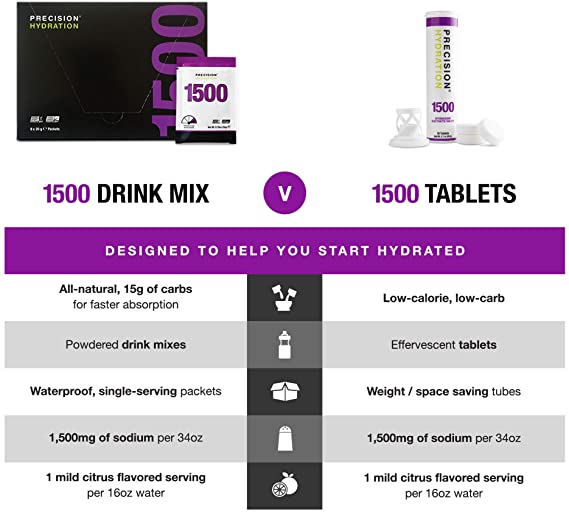
In the end we settled on a strength of 1,500mg/l (32oz) for our preloading drinks and these are available in the all-natural PH 1500 drink mix format as well as low-calorie H2Pro Hydrate 1500 effervescent tablets. 1,500mg/l seemed to be the ‘sweet spot’ in that it’s very palatable and easy on the gut (we never get comments about stomach upsets from using it) whilst still being effective at boosting your blood plasma volumes and getting you optimally hydrated before you start sweating.
If you want to test whether preloading improves your performance, follow this protocol before your next long/intense training session or B-race.
Preloading with PH 1500:
Drink 1 x PH 1500 with ~500ml (16oz) of water the evening before your activity.
Drink 1 x PH 1500 with ~500ml (16oz) of water about 90 minutes before you start. Finish your drink at least 45 minutes before you start to give your body time to fully absorb what it needs and pee out any excess.
Drink the PH 1500 in water you’d have drank anyway to ensure you don’t overdo it. The circa symbol (~) before the fluid total is key here as different athletes will drink differing amounts – for example, more petite athletes might typically drink less than larger athletes. One size won’t fit all, so use some trial and error with these guidelines to help work towards what is best for you when preloading.
DON’T just drink lots of water in the build-up to a race. You can end up diluting your body’s sodium levels before you start, increasing the risk of hyponatremia.
Why you should preload
Boosting your blood plasma volume before intense exercise is a proven way to enhance your performance, especially in hot conditions.
Having more blood makes it easier for your cardiovascular system to meet the competing demands of cooling you down and delivering oxygen to your muscles.
PH 1500 is very effective at increasing your plasma volume as it contains 3x more sodium than a typical sports drink. That extra sodium helps to pull water into your bloodstream and keep it there. This may allow you to get away with drinking considerably less in shorter/harder events where previously they would have had to try to consume more on the move (not easy when you’re flat out!). It can also help reduce the amount of times you need to pee before you start.
Preloading with PH 1500 can also help you avoid/alleviate muscle cramps, especially if you’re prone to suffering from them late on in events and especially when it’s hot. 89% of athletes with cramp who try preloading PH 1500say that it solves their problems.
You can’t preload anywhere near as effectively with weaker sports drinks as you’ll lose a large proportion of the fluid as urine. Or it’ll slosh around in your stomach without being properly absorbed.
Precision Hydration support our newsletter subscribers with 10% off all purchases, when you use the discount code; Faster10 at checkout. www.precisionhydration.com
If you’re looking for a way to optimise your performance then testing sodium preloading is definitely worth a try. If you have any questions about how to preload effectively or need help optimising your approach, drop us an email.
Many of us are lucky enough to be able to train on the ergo during lockdown, yet often training indoors can be a hot and sweaty event. It’s especially important to make sure your hydrated appropriately. The following article from Abby Coleman, explains more about the importance of sodium in your hydration strategy.
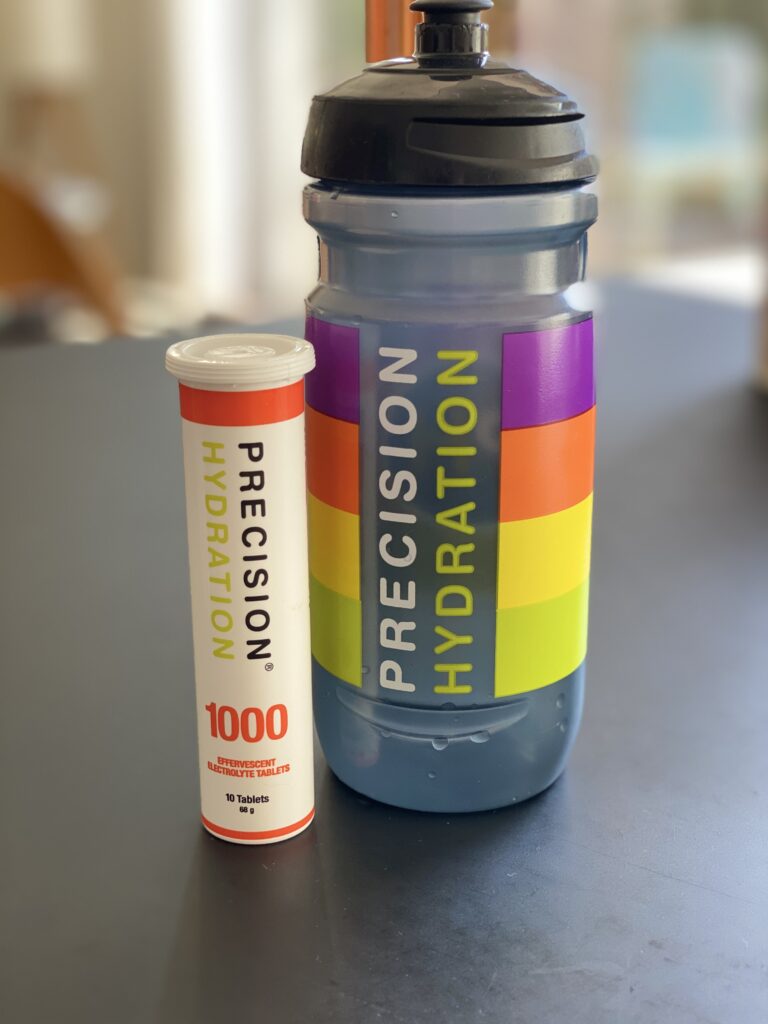
I personally use Precision Hydration (PH) products, and PH are proud support Masters Rowers around the world, with their hydration needs. Use the code FASTER10 at checkout, to receive 10% off your purchase.
How are sodium and water balanced in the body?
By Abby Coleman Medically reviewed by Dr Raj Jutley. Original article can be found on the Precision Hydration website.
Our bodies enjoy balance and will strive for equilibrium to help ensure that our sodium and water levels remain at a constant level. Why link sodium and water together?
Well, the two are a double act (a bit like Ross and Rachel, Ant and Dec, the Chuckle Brothers, and any other legendary double-acts you can think of) in that water acts to hold the sodium ion in the body, so we must look at the two together when it comes to achieving the correct balance.
But how does the body go about finding that all-important balance? We take a look…
The balance happens in the kidneys with sensors from various parts of the body providing feedback with the end goal being preserving the plasma osmolality (saltiness) tightly between 275-300 mOsm/kg and sodium levels between 135-145 mEq/L. Osmolality, by the way, is how much of one substance is dissolved in another substance, and in humans the most important substance contributing to osmolality happens to be sodium.
When plasma volume or sodium concentration gets too high (osmolality increases)So, volume sensors in the heart, blood vessels, and kidneys detect when the body’s sodium or water levels get too high, and set in motion processes which lead to their greater excretion through the kidneys.
In contrast, when blood plasma volume or sodium concentration becomes too low (osmolality decreases), the sensors trigger processes which increase their reabsorption through the kidneys.
Both functions are actioned and regulated by the body’s endocrine system – a complex chemical messaging system made up of feedback loops of hormones.
Because osmolality is exquisitely sensitive to the volume changes, any alterations in water has important effects. Which brings us to water balance…
I personally use the Precision Hydration 1500 mix before and during training.
Water balance in the body
Humans are a soggy bunch and water makes up ~50 to 70% of our body mass, depending on our age, gender and body composition.
Water is obtained mostly through consumption but also via our internal metabolism (e.g. the breakdown of glycogen), and it’s lost in urine, the gastrointestinal tract, sweat, and through the respiratory tract during breathing.
Put simply, water balance is achieved by ensuring that the water we consume in food and drink is equal to that of excretion.
But what happens when we take on too little or too much water?
Too little water in the body
A decrease in total body water, perhaps due to not drinking enough, excessive urination, sweat production, blood loss, diarrhea or vomiting, pushes the body to find ways of conserving fluids.
Depending on the cause of water loss the body may need to conserve sodium as well.
For instance, blood loss from a trauma will see sodium (in blood) and water (in blood) lost in equal proportion, and the body must try to retain both. Whereas in dehydration you lose proportionately more water than sodium, so the osmolality of your plasma increases and the body must conserve water, but not sodium.
The hormone responsible for regulating the body’s retention of water is the antidiuretic hormone(ADH), also known as vasopressin.
ADH is secreted by the hypothalamus, a kind of regulator in the brain for many bodily systems in response to an increase in plasma osmolality, decreased blood volume, decreased blood pressure and/or stress. The hormone acts on the nephrons of the kidneys (which basically produce urine, and remove waste and excess substances from the blood) and facilitates greater reabsorption of water by dramatically increasing the water permeability of the cell walls (i.e. how much water those cell walls let through).
As a result, the passive movement (no energy required) of water out of the kidney back into the bloodstream is increased, and the urine produced is small in volume and concentrated.
What about thirst?
Whilst the kidneys can conserve water, they can’t do anything about producing more, so for that reason we must drink. Water intake is regulated by thirst; the stimulus for which, like ADH, is an increase in plasma osmolality (as little as 2-3% gives a strong desire to drink) or a decrease in blood volume.
The combined effect of water retention (thanks to our good friend ADH) AND increased water consumption leads to an increase in blood volume and subsequent restoration of fluid balance in the body.
By increasing blood volume, ADH also plays a role in reducing plasma osmolality (and therefore sodium concentration).
Too much water in the body
In a scenario where there is an increase in our total body water, plasma osmolality falls due to the relative decrease in sodium concentration.
So, under these conditions, water moves out of the extracellular fluid into the body cells to try and maintain balance, which causes them to expand.
Receptors within the cells respond to this swelling by signalling to the hypothalamus to slow down the secretion of ADH (‘stop conserving water, we have enough!’).
Less circulating ADH means less aquaporin-2 channels get inserted into the kidneys’ walls and there’s a reduction in the amount of water reabsorbed into the blood. With fewer channels available for removal, a greater volume of water moves undeterred through the kidneys and is subsequently excreted in the urine.
The outcome? A reduced blood plasma volume, an increase in plasma osmolality, and urine which is diluted and large in volume (aaah, sweet, sweet relief as fluid balance is restored again).
WAY too much water in the body
An excessive overconsumption of water can be hugely counterproductive and produce the potentially fatal medical complication of hyponatremia (low sodium concentration of the blood).
There are a few different causes of hyponatremia, but the one which affects athletes most frequently is the dilution of sodium levels driven by drinking TOO MUCH or ‘water intoxication’.
In an attempt to restore water balance, the body goes into overdrive pulling water out of the bloodstream and into the body cells, causing them to swell irrationally and damage or destroy cellular structure, thus disrupting normal cellular function. When this occurs in the brain cells the condition can escalate from confusion to seizures, coma or even death.
The risk of hyponatremia is in part why drinking to thirst is pretty sound advice during everyday life and shorter, less intense activities where you’re not sweating much – and also why listening to your body’s signals is important.
Sodium balance in the body
Sodium is the main substance dissolved in the body, so it mostly determines the osmolality of plasma.
Sodium plays a key role in every cell in the body, particularly nerve and muscle function where deficiencies or excesses become noticeable first, There are no body stores for so what you lose through the gut, sweat and urine, you must ingest – as simple as that.
Just like water, sodium balance is maintained very cleverly by the kidneys adjusting the amount of sodium it filters, reabsorbs and excretes depending on whether the body is in deficit or excess.
Too little sodium in the body
A depletion of sodium, such as through extreme sweating (particularly if a person’s sweat sodium concentration is high) and/or a chronically low sodium diet, gives rise to low plasma volume, which in turn leads to low blood pressures.
These low blood pressures throughout the cardiovascular system are recognised via baroreceptors (pressure sensors in the blood vessels which detect the pressure changes via changes in tension of the walls).
These cause a decrease in the fancily named ‘glomerular filtration rate’ (the volume of fluid filtered through the kidneys), which is key because the less fluid which passes through the kidneys means less opportunity for sodium to be lost through urinary excretion.
In addition, the fluid which is filtered by the kidney undergoes greater sodium reabsorption. The hormone responsible for regulating this sodium reabsorption is aldosterone, a steroid hormone secreted by the adrenal glands. The reabsorbed sodium is followed back into the blood by water and, as a result, blood volume, salt levels and blood pressure all rise.
It’s important to note that aldosterone’s release is regulated by the renin-angiotensin hormonal system (RAS) which is responsible for managing blood pressure, fluid and electrolyte balance, as well as vascular resistance.
In the event of sodium depletion, the kidneys produce renin, a peptide hormone that initiates a hormonal cascade that ultimately produces angiotensin II. It is angiotensin II which, once in the blood, stimulates:
thirst
the peripheral arteries to tighten and increase cardiac output, resulting in an increase in blood pressure
a decrease in glomerular filtration rate, resulting in water retention
the adrenal cortex to produce aldosterone.
Renin-Angiotensin System
Increased renin secretion (from kidneys)
Increased plasma renin concentration
Increased plasma angiotensin I concentration (from angiotensinogen)
With the Western diet, it’s not difficult to consume a little too much sodium these days. For centuries man was deficient hence he traded in salt but now the pendulum has swung the other way with hidden sodium in our diets. An excess of sodium in the body isn’t recognised by alterations in sodium concentration as you might think, but rather by the increase in plasma volume as a result of the increased sodium (remember where sodium goes water goes too).
The elevation in blood volume causes an increase in the tension in the receiving chambers of the heart (atria), which in turn initiates the release of atrial natriuretic peptide (ANP); a hormone which is both produced and stored in the cells of the heart.
Once in circulation, ANP affects the kidney by increasing the glomerular filtration rate (the rate at which blood passes through the glomeruli in the kidneys) which induces profound natriuresis (increased sodium excretion) and diuresis (increased water excretion).
It also induces the dilation of the blood vessels to limit the rise in blood pressure and inhibits the secretion of aldosterone, by reducing renin production, thus actively preventing sodium reabsorption from occurring.
This is quite a meaty and complex topic area (congratulations if you made it this far in the blog), but what hopefully comes through loud and clear is that:
Sodium and water travel together and their ‘saltiness’ must be tightly regulated.
Their balance is ultimately in the kidney.
Feedback to the kidney is from ‘pressure and saltiness’ receptors in the heart, blood vessels, kidneys and brain.
Regulation is a finely balanced and complex interplay between several hormones depending on whether water or sodium is less or more.
Ultimately, the kidneys and the hormonal system play a vital role in helping the body to find equilibrium when it comes to sodium and fluid balance.
Helping these systems out by tailoring what you consume – in terms of sodium and fluid in relation to your individual losses – should therefore start to make a bit more sense from now on.
Every year I take a look at a few things to experiment with. All with the aim of improving my personal performance. In this post I’m sharing what I’m experimenting with for rowing, across different aspects, and over the coming months, I will share updates in my newsletter.
New Carbon Pack from Filippi
I’ll be testing the new ‘Carbon Pack’ from Filippi Boats with the Filippi F22 single scull. I first learnt about these developments in late 2020, when I spent some time with David Filippi at the Italian Championships. I’m curious to see Filippi’s new developments in carbon fibre footplate, seat deck interface, rigger and gate technology. More information will be revealed as I share the process of the new boat build and interview David Filippi on the Faster podcast about the new technology.
Clothing
Testing 776BC rowing clothes for comfort, durability and how their ‘Motion Technology’ works. The 776BC Motion System highlights key biometric markers and lines on the body. The aim is to show how you’re moving whilst rowing on the ergo or in the boat. To achieve this, 776BC developed a motion sensor app, that you can use to film the session, and observe how the biometric markers line up vs the desired technique.
I have order some 776BC customised kit for a few willing masters and juniors to try at my club. Will update how the kit looks, feels and how it is to work with the Motion App for filming and providing feedback.
Hydration & Pre-Loading
I’ve been paying more attention to how much and what I’m drinking during training, especially with the increase in time on the ergo, and this year I will be experimenting with how my performance is influenced by how hydrated I am when I start exercising.
Precision Hydration have a protocol they call, ‘preloading‘ and the practice has been widely studied in the last 20 years. There’s strong evidence that taking in additional sodium with fluids before you start sweating is effective in promoting increased acute fluid retention and in improving endurance performance, especially in the heat.
I will be working with the team at Precision Hydration, to dial this in over the coming months and I’ll share updates along the way.
Monitoring HRV
On the advice of masters champion, Greg Benning, I will be monitoring my Heart Rate Variability (HRV), and using this metric to measure my response to, and readiness for training. I’ll be using and comparing the Oura Ring and Elite HRV app & heart rate belt.
Sharing an interesting article on why sodium is important for Masters Rowers to perform at our best. Original article by Andy Blow and medically reviewed by Dr Tamara Hew-Butler.
Disclosure: Precision Hydration support subscribers to the Faster newsletter with 10% off all purchases.
Why sodium is important
Sodium plays a key role in how your body functions as it helps maintain fluid balance and cognitive function, so it’s important to replace the sodium you lose to some extent when your sweat losses really begin to mount up.
A 2015 study found that athletes who adequately replaced the sodium lost in their sweat finished a middle distance triathlon an average of 26 minutes faster than those who didn’t.
Whilst that sort of performance gain isn’t going to be possible for everyone, it does highlight the potential impact of getting your hydration strategy right.
Your body contains lots of water – 50-70% of it is made up of the stuff in fact, depending on the amount of muscle and fat that you have. Around a third of that water exists outside your cells, in extracellular fluids like your blood.
What does sodium do?
The main electrolyte in this extracellular fluid is sodium and much of your body’s total sodium reserves are found here. This makes it rather ‘salty’ and the total volume of extracellular fluid in your body is directly related to the amount of sodium you have on board at a given time. So, more sodium equals more fluid; less sodium means less fluid.
As well as maintaining fluid balance, sodium plays an important role in the absorption of nutrients in the gut, maintaining cognitive function, nerve impulse transmission and in muscle contraction. Basically, it’s pretty darn important.
Most of the sodium we consume is in the form of sodium chloride, or the common table salt found in food and drinks.
We take salt for granted these days as we’ve developed ways to make it widely available. But in the past wars were fought over access to and the control of salt, which gives you a pretty big clue as to its importance to life!
Because your body can’t produce or store it beyond a certain point, you need to consume sodium every day to keep your levels topped up.
Individual differences in sweat sodium losses
Sweating is the main way athletes lose sodium and fluids during exercise. That’s basically why those of us who train regularly have different needs when it comes to replacing sodium than those who don’t.
Everyone loses a different amount of sodium in their sweat. At Precision Hydration, we see athletes who lose from as little as 200mg of sodium per litre of sweat to as much as 2,000mg/l. I personally lose ~1,800 mg/l and I often suffered from hydration issues in hot climates as a result. It was my personal search for a solution that led to me founding the company.
Sweat rates also vary from person to person of course; and from situation to situation for any given person (from almost nothing in cooler conditions and at low intensities, to several litres per hour during intense exercise in the heat).
When you combine differences in sodium concentration with those in sweat rates, the potential variance in the total net sodium losses experienced from one athlete to another can be really significant, especially over a middle or long distance triathlon.
And, in a lot of cases, those losses are many times higher than someone who’s not sweating on a regular basis. This is why the standard government guidelines for sodium consumption should be viewed cautiously by athletes. It’s more than possible to lose the daily 2,300mg of sodium recommended by the existing government guidelines in just 1 hour of exercise, if you’re sweating heavily and you’re sweating out lots of sodium. Your loses during a longer period of exercise really can be massive.
What happens when sodium losses mount up?
It’s impossible to nail down the exact point at which sodium (and fluid) loss through sweating becomes a problem for an athlete. But, it’s clear that when losses reach a certain point, the effects can be detrimental to your performance.
Your blood volume is gradually reduced as your sweat losses increase. That’s because sweat is drawn from your blood plasma. This increases the strain on your cardiovascular system, making it harder to pump blood to your skin to cool you down and to your working muscles.
Other issues such as a general feeling of fatigue and muscle cramps can also be experienced if losses are allowed to go uncorrected for long enough, or if significant imbalances between fluid and sodium are allowed to occur.
Up to a certain point, taking in plain water is enough to mitigate sweat losses. But, as those losses start to mount up, you need to replace sodium too in order to avoid your blood becoming diluted.
This is a potentially disastrous condition called hyponatremia, which can certainly ruin your race and, tragically, has even been fatal on occasion.
How much sodium should you replace when sweating?
Because sweat/sodium losses are so individual, any generic guidelines on the replacement of sodium and fluid should always viewed with suspicion.
Having said that, figuring out whether your net losses are likely to be low, moderate, or high can be a great starting point for honing in on the level of sodium and fluid replacement that’ll work best for you in different circumstances.
The two main inputs that drive your personal net sodium losses are…
The total amount you sweat. This is a factor of your sweat rate and the number of hours you spend sweating during a given timeframe.
Your sweat sodium concentration. i.e. how much salt you lose in your sweat.
Figuring out approximately what these are is a sensible place to start.
Your sweat sodium concentration is largely genetically determined and doesn’t vary much at all which means that, whilst you can only find it out by getting your sweat tested, you only really need to get tested once in most cases.
Precision Hydration offer a free online Sweat Test that’ll help you get started with understanding your losses and refining your hydration plan through some good old fashioned trial and error in training.
Precision Hydration supports subscribers of the newsletter, with 10% off all purchases when you enter the code below at checkout.
Podcast interview with Andy Blow from Precision Hydration.
In this episode, Andy and I cover the topics related to hydration for masters rowing, and answer questions from the Facebook Masters Rowing Group. Click here to join the Masters Rowing Group on Facebook.
How does hydration affect cramping
What to drink, how much and when
What to drink for training
How does hydration affect blood volume and performance
How do I know how much I sweat and how much salt I need
How caffeine affects performance and dehydration
Andy has a few top 10 Ironman and 70.3 finishes and an Xterra World Age Group title to his name. He founded Precision Hydration to help athletes solve their hydration issues. He has a degree in Sport and Exercise Science and was once the Team Sports Scientist for Benetton and Renault F1 teams.
Exclusive for Faster Podcast listeners, you will get 10% off your order of electrolytes that match how you sweat, at precisionhydration.com. All you need to do is enter the code FASTER10 at the checkout to get 10% off your order.
Exclusive for Faster Podcast listeners, you can book in for a 20-minute call with one of the PH team to discuss your hydration strategy and to ask any questions you might have by clicking here.
Last week, was the start of my taper for the Swiss Champs. Good solid week of volume and intensity. The club moved to a small lake, for the final preparation days. We are so lucky to have this lake so close by. It’s sheltered and ideal for race training.
Introducing more and more race like intensity, and the volume is dropping. Lots of race simulations with other crews and scullers. Fine tuning the start and first 250m. Sessions included 750m, 500m and 250m intervals at or above race pace.
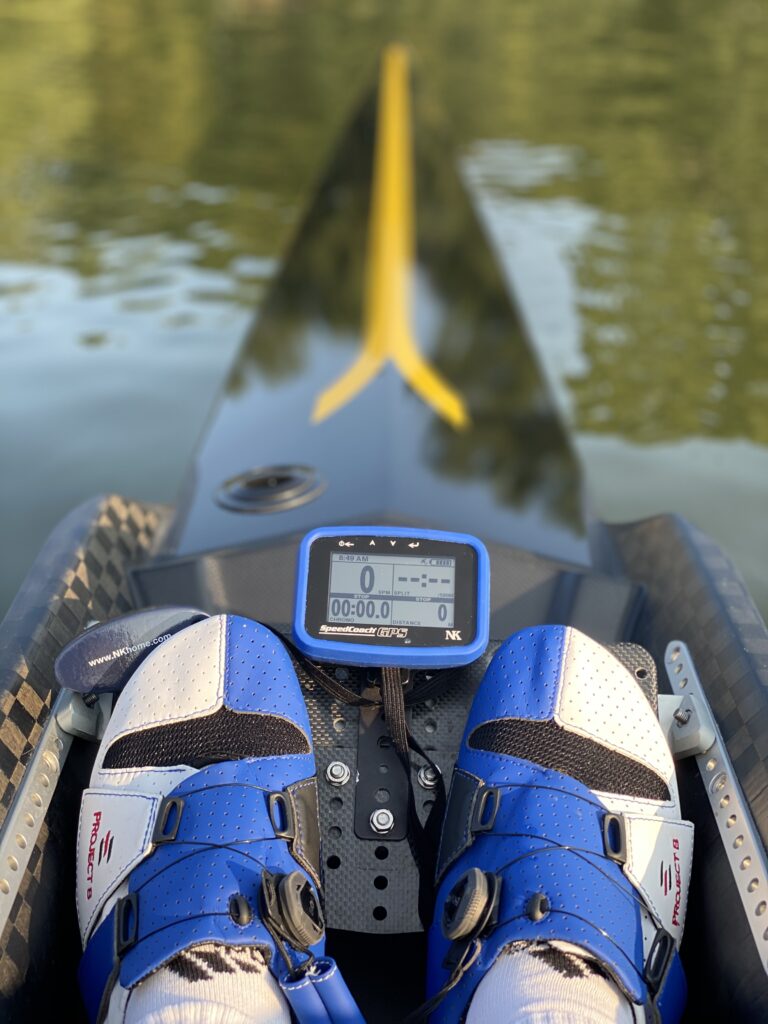
Testing of Bont’s new rowing shoes with the BOA dial went well. I really like the fit, and subjectively, feel more ‘planted’ and connected to the foot stretcher. I like the wrap around feeling, the BOA system provides. I also made some adjustments to my seat pad. Fixing it to the boat seat with some double sided velcro. This saves time faffing around with the positioning, and avoids any chance of the seat moving. You can join my Facebook page to watch the overview.
Precision Hydration sent me some of their hydration solutions to test in training. I did the online sweat test, and then a few days later received a pretty cool package in the mail. So far so good. I don’t think I’ll change my routine in the last days, yet I certainly will test their electrolyte solutions, leading up to the Silver Skiff in November.
To summarise, the volume is down and intensity is the same. The final days leadings into the Swiss Championships on Friday, will see less and less volume yet maintaining the intensity. If you’d like to know my what I do to taper down and be ready on race day, you can purchase my ‘Ultimate Race Week Plan’, an online course that will teach you everything I do to prepare myself and my athletes to go Fast on race day.
Race day is the opportunity for you to bring all of your training and hard work over the weeks and months to perform at your best. The Ultimate Race Week Plan, will help you to avoid common mistakes, that can end up destroying your race day performance. Simple mistakes, like training too hard or not enough, or not knowing how to warm-up correctly that can be avoided when you know what to do. When you don’t, they can be incredibly frustrating.
You will learn tried, tested and proven processes, from the world’s best sports scientists and trainers, on what needs to be done in the week leading up to race day for Ultimate Performance on the day.
Understand why the taper is so important, what to do, when and how.
Learn how to plan your workouts day by day, leading up to race day.
Know what to do the day before, so that you are fresh and ready to race.
How to warm up and prime your energy systems.
How and when to fuel for your best performance.
Know what you need to do after the race to recover, and be ready race again.
This course can be completed in an hour. Is full of videos and easy to follow guides. It is suitable for anyone that will be racing on the ergo or at a regatta and wants to know what they need to do to be prepared.
I personally use the Ultimate Race Week Plan for all of my major races, and with my athletes, with great success. I look forward to you enjoying the same level of knowledge and awareness, to take your racing to the next level.