
Below is an overview of each of the single sculls offered by Filippi, organised by rower weight. To find out more, visit Filippi Boats website.


Below is an overview of each of the single sculls offered by Filippi, organised by rower weight. To find out more, visit Filippi Boats website.
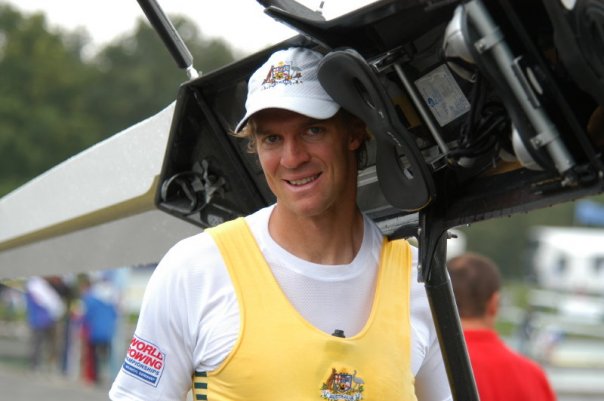
Peter (Pete) Hardcastle, is well known in Australian and World Rowing. Pete represented Australia at the Sydney, Athens and Beijing Olympic Games in different boat classes. After the olympics, Pete moved to the UK in 2008. where he coached at Dulwich College, Emanuel School and London Rowing Club, and coached the men’s four at the Coupe de la Jeunesse in 2014. In 2017, Pete joined Imperial College as the Head of Rowing and in his first season at Imperial, he coached the crew that won the Prince Albert Challenge Cup at Henley Royal Regatta.


Pete is an amazing athlete, and still continues to amaze mere mortals, with his Ironman Triathlon exploits, and marathon running. In this episode, Pete and I explore what got him into rowing, and how he progressed to the U23 World Championships and then the Elite team under 4-years. We talk about personal motivation, and challenging others to explore what is possible. We review what is really going on with some of the rapid crews we are watching today, and he shares his tips on how to get yourself ready to race as well as preparing your race mindset.
This podcast is supported by, Precision Hydration, Bont Rowing, Filippi Boats and Citius Remex seat pads. For more information about our supporters, and to gain access to exclusive bonus offers, ensure you subscribe to my newsletter.
https://anchor.fm/s/1f7219c8/podcast/rssOver the last 12-months, I have tried out different boat brands, (check out the Filippi vs Nelo article) and always come back to Filippi for shear speed, performance, quality of build, and style. Over the course of the last 3-years, I’ve enjoyed success with the F22, and planned to simply continue. Then David Filippi shared with me, the new performance features for the 2021 models, then it was clear, an upgrade was in order. The features David shared with, sound really exciting, both from a performance and design aspect. More about these new features in late January 2021.
I invite you to join me as I follow David’s team at Filippi Boats, as the build my new 2021 F22 single scull over the next few months. Together, with the team at Filippi, we will be following the process from start to finish.

The first step will be choosing the final colour. My current F22 is all black, although ascetically pleasing, the boat suffers in direct sun, with the all-black surface heating up. There was always the risk of damage to the materials if the boat is not covered and out of direct sun.
I have selected the following colours for the boat. Which one do you like best? You can vote for one of the three colours below on the Masters Facebook Group.


The final colour will be accented with the classic Filippi white stripe.
Stay tuned and subscribed to my newsletter to follow the build, and for more information on the new performance features released in 2021.

Most will now be aware, that the 2021 Boat Races, will take place on the River Cam in Ely. After a combination of factors, including the COVID pandemic, and the closure of Hammersmith Bridge at the halfway mark of the 6,800m course, forced the organisers to take radical action. The change in venue marks a return to Ely for the first time since a series of unofficial races took place there during the Second World War. Source; Robert Treharne Jones (Dec 2020)
Although the scale of the Boat Race event, could seem small in comparison to other major sporting events held in London, the Boat Race has an important attractor effect on people through physical visitors and also through television and digital platforms. I feel we can all learn a lot from what the Boat Race Organisation, and others like Henley Royal Regatta, The Head of The Charles, and Silver Skiff regatta, are are doing to attract and inspire people to rowing. How the organisers are understanding and translating the economic benefit of regatta, as well as learning how to televise, engage and extend the reach of the event beyond Race Day itself.
The facts and figures used in this article have been gathered from multiple sources, including a detailed report titled; The Boat Race, Impact of a Single Day Major Event on a City, Arup & The Boat Race Company (October 2017). Link to the original report can be found at the bottom of this post.
There are 250,000+ visitors each year to the river banks on Race Day, and some 7 million people watching on national television, representing 3,400 visitors and 100,000 viewers per athlete.

In comparison the London 2012 Olympic Games had 10,568 athletes, 52 million individual viewers in the UK and 2 million visitors to London for the Games – or each athlete “attracting” 190 visitors and 4,900 viewers.
As such, each rower at the Boat Race, “attracts” 20 times more visitors than Olympic athletes.
The Boat Race generates 40 percent more spend per athlete than the London Olympics.
In the spirit of sport competition, The Boat Race has always been inclusive to all visitors, with no ticketing costs to the visitor. Yet the total spend from visitors is estimated between £7 million and £8.5 million, averaging £30 per person or £100,000 per athlete.
The visitor spend generated by the London 2012 Olympic Games was about £760 million (in the UK), averaging £1,290 per person, or £72,000 per athlete. Again, the Races have a yield per rower (based on visitor spend) 40 percent higher than the London 2012 Olympic Games.


The Boat Race attracts 50,000 additional day-visitors to London.
The Race attracts 200,000 visitors living in London who would not be considered additional visitors to the local area as the vast majority of them come from one of the four adjoining boroughs along the route.
Yet it attracts over 50,000 people from outside London each year to west London.
The direct net economic impact on the local economy is estimated between £2.1 and £2.9 million.
The 50,000 day-visitors spend £1.4 to £1.7 million in the local economy. Whilst London-based visitors are not additional as such to London or the local area, they will likely be spending more than on their average Saturday day-out, due to the event and celebratory atmosphere.
The direct economic impact of The Boat Race in the local economy is estimated between £2.1 and £2.9 million, with indirect contribution reaching £2.8 to £3.7 million each year.
Multiplier Effect
The additional spend in local businesses has an indirect impact on the wider supply chain, called the ‘multiplier effect’. In this case for every £1 spent directly, it will generate £0.30 in the supply chain.
It is estimated that the total net economic benefit to the local area from The Boat Race to be between £2.8 and £3.7 million each year.
Digital Spectators
Global sport is in the process of undergoing a dramatic change in how it is presented, followed and consumed by the public. As the demographics of sport spectators moves towards people who have grown up in the digital age the appetite for ‘sport as entertainment’ and data integration have become the focus of events organisers to capture the attention of the digital consumer. In a recent report out by Deloitte, it is estimated that 85% of the workforce in 2025 will be of the ‘Millennial Generation’, a generation that is defined by their use of digital in daily life.
Integration of technology and data into the broadcast material has enabled The Boat Race to reach out to, and maintain the interest of, a new generation of spectators. The results of online consumption are on the increase. For a small sport, at time of writing this post, the Boat Race has more than 1 Million views on You Tube, and Henley Royal Regatta nearly 10 Million views, and World Rowing 5.8 million views. Source, YouTube 2020.
Another ‘niche’ spectator sport, the America’s Cup, has transformed itself, from an event that attracted attention within the sport – but little public interest – to an event that has a huge online following (165,000 subscribers to their YouTube channel, with over 35m views in 2017) and is broadcast live through an in-house app and subscription TV channels worldwide.
The Boat Race has a much larger and wider impact on the London economy, beyond the event. The Boat Race and Henley Royal Regatta, have already, and continue to transform the way they present rowing in the digital age. Both have looked to how other sports, like the America’s Cup, T20 Cricket, Golf and Formula E motor sport, have achieved success, and figured out how the success of attracting and keeping new audiences, can translate and be relevant to rowing.
As the younger generations become the predominant spectator demographic for sporting events, integrating data analysis and real time graphic updates into the streaming and broadcast feeds will ensure that the rowing can move into the digital age. As former FISA secretary general and Henley Steward John Boultbee said, “Most people watch the World Championships and Olympic Regatta, do so via television. We need to make it more appealing for these audience to stay relevant.” You can listen to the episode with John, by clicking on the link to the Faster podcast below.
I invite you to consider how you and I, can directly influence rowing events, to challenge and inspire regatta organisers, to explore, to test and develop ways of presenting our sport to current and future generations.
You can access the report that I have sampled by visiting the following link on the Boatrace.org website. https://www.theboatrace.org/wp-content/uploads/Arup-Report-The-Boat-Race.pdf
https://anchor.fm/s/1f7219c8/podcast/rss
Anne-Marie Howald is well know in the rowing world, having represented Switzerland at the 1987 & 88 World Championships as a lightweight, and now as the Head Coach of the U23 and Junior Squad.
In 2018, Anne-Marie was awarded the “Swiss Olympic Coach Award” for the impressive achievements of the junior national team at the European Championships in Krefeld and the World Championships in Trakai.

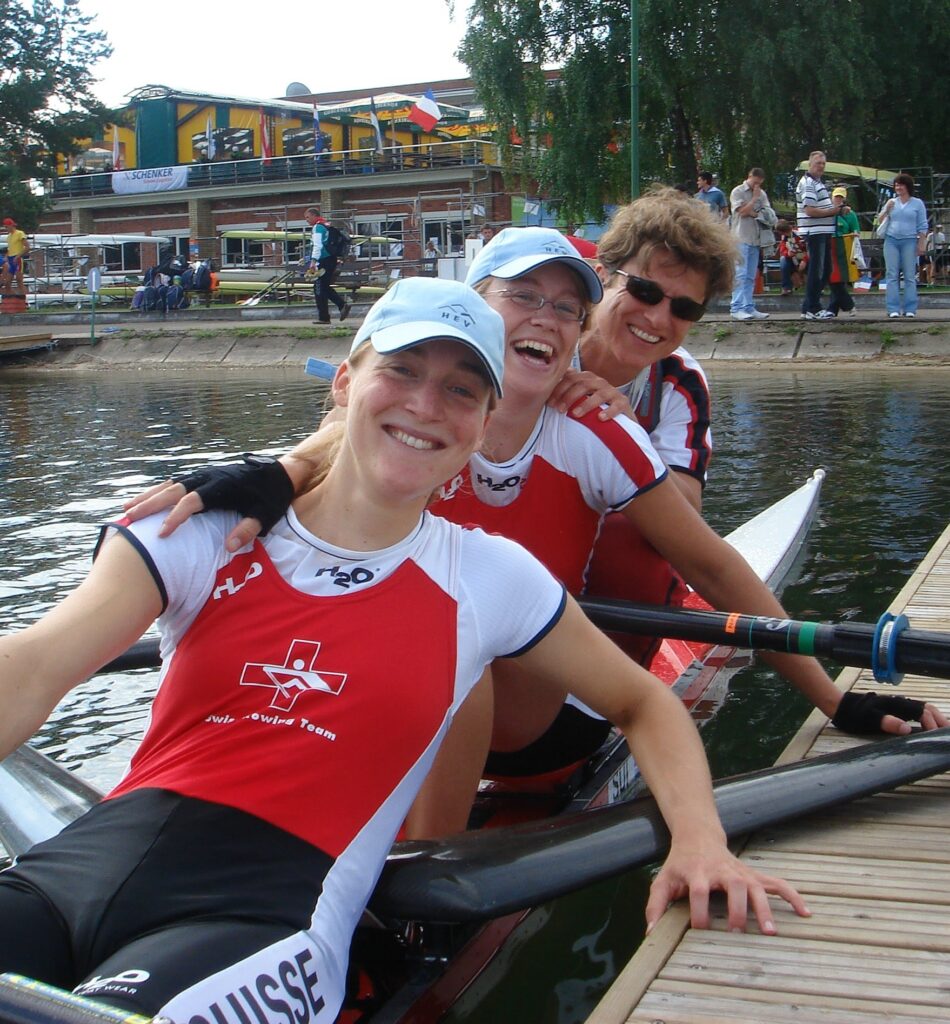


Anne-Marie leads the talent identification of young rowers in Switzerland, with the ‘Future Rowers’ programme that takes promising young athletes through to the Elite level. In this episode, Anne-Marie covered how she first started in rowing and how that love for rowing, and high performance, has taken her on her own journey to coaching and inspiring others. Plenty of inspiration for the listener, some ideas and tips on how to move the boat faster, along with some nice insights into her time training with the legendary coach, Harry Mahon.
You can connect with Anne-Marie via email: anne–marie.howald@swissrowing.ch
This podcast is supported by, Precision Hydration, Bont Rowing, Filippi Boats and Citius Remex seat pads. For more information about our supporters, please ensure you subscribe to my newsletter to gain access to exclusive bonus offers.
https://anchor.fm/s/1f7219c8/podcast/rss
Faster Membership
The rest of this one is for members.
This article, both twelve-week training plans, and the full library of protocols and calculators are part of Faster Membership. CHF 129 for the year.
Sharing an interesting article on why sodium is important for Masters Rowers to perform at our best. Original article by Andy Blow and medically reviewed by Dr Tamara Hew-Butler.
Disclosure: Precision Hydration support subscribers to the Faster newsletter with 10% off all purchases.
Sodium plays a key role in how your body functions as it helps maintain fluid balance and cognitive function, so it’s important to replace the sodium you lose to some extent when your sweat losses really begin to mount up.
A 2015 study found that athletes who adequately replaced the sodium lost in their sweat finished a middle distance triathlon an average of 26 minutes faster than those who didn’t.
Whilst that sort of performance gain isn’t going to be possible for everyone, it does highlight the potential impact of getting your hydration strategy right.
Your body contains lots of water – 50-70% of it is made up of the stuff in fact, depending on the amount of muscle and fat that you have. Around a third of that water exists outside your cells, in extracellular fluids like your blood.
The main electrolyte in this extracellular fluid is sodium and much of your body’s total sodium reserves are found here. This makes it rather ‘salty’ and the total volume of extracellular fluid in your body is directly related to the amount of sodium you have on board at a given time. So, more sodium equals more fluid; less sodium means less fluid.
As well as maintaining fluid balance, sodium plays an important role in the absorption of nutrients in the gut, maintaining cognitive function, nerve impulse transmission and in muscle contraction. Basically, it’s pretty darn important.
Most of the sodium we consume is in the form of sodium chloride, or the common table salt found in food and drinks.
We take salt for granted these days as we’ve developed ways to make it widely available. But in the past wars were fought over access to and the control of salt, which gives you a pretty big clue as to its importance to life!
Because your body can’t produce or store it beyond a certain point, you need to consume sodium every day to keep your levels topped up.
Sweating is the main way athletes lose sodium and fluids during exercise. That’s basically why those of us who train regularly have different needs when it comes to replacing sodium than those who don’t.
Everyone loses a different amount of sodium in their sweat. At Precision Hydration, we see athletes who lose from as little as 200mg of sodium per litre of sweat to as much as 2,000mg/l. I personally lose ~1,800 mg/l and I often suffered from hydration issues in hot climates as a result. It was my personal search for a solution that led to me founding the company.
Sweat rates also vary from person to person of course; and from situation to situation for any given person (from almost nothing in cooler conditions and at low intensities, to several litres per hour during intense exercise in the heat).
When you combine differences in sodium concentration with those in sweat rates, the potential variance in the total net sodium losses experienced from one athlete to another can be really significant, especially over a middle or long distance triathlon.
And, in a lot of cases, those losses are many times higher than someone who’s not sweating on a regular basis. This is why the standard government guidelines for sodium consumption should be viewed cautiously by athletes. It’s more than possible to lose the daily 2,300mg of sodium recommended by the existing government guidelines in just 1 hour of exercise, if you’re sweating heavily and you’re sweating out lots of sodium. Your loses during a longer period of exercise really can be massive.
It’s impossible to nail down the exact point at which sodium (and fluid) loss through sweating becomes a problem for an athlete. But, it’s clear that when losses reach a certain point, the effects can be detrimental to your performance.
Your blood volume is gradually reduced as your sweat losses increase. That’s because sweat is drawn from your blood plasma. This increases the strain on your cardiovascular system, making it harder to pump blood to your skin to cool you down and to your working muscles.
Other issues such as a general feeling of fatigue and muscle cramps can also be experienced if losses are allowed to go uncorrected for long enough, or if significant imbalances between fluid and sodium are allowed to occur.
Up to a certain point, taking in plain water is enough to mitigate sweat losses. But, as those losses start to mount up, you need to replace sodium too in order to avoid your blood becoming diluted.
This is a potentially disastrous condition called hyponatremia, which can certainly ruin your race and, tragically, has even been fatal on occasion.
Because sweat/sodium losses are so individual, any generic guidelines on the replacement of sodium and fluid should always viewed with suspicion.
Having said that, figuring out whether your net losses are likely to be low, moderate, or high can be a great starting point for honing in on the level of sodium and fluid replacement that’ll work best for you in different circumstances.
The two main inputs that drive your personal net sodium losses are…
Figuring out approximately what these are is a sensible place to start.
Calculating your sweat rate can be a bit awkward, but here’s a guide to help you get you to a reasonable estimate of how much you’re sweating per hour.
Your sweat sodium concentration is largely genetically determined and doesn’t vary much at all which means that, whilst you can only find it out by getting your sweat tested, you only really need to get tested once in most cases.
Precision Hydration offer a free online Sweat Test that’ll help you get started with understanding your losses and refining your hydration plan through some good old fashioned trial and error in training.
Precision Hydration supports subscribers of the newsletter, with 10% off all purchases when you enter the code below at checkout.
Enter code: FASTER10 at check out www.precisionhydration.com


A training plan that changes performance, is easier to create once you understand the mechanics of a great training plan. The How To Create Your Annual Training Plan combines audio and video lessons from Bill (with help from experts), along with frameworks and tools designed to guide your thinking and practice. By using these tools (and doing this practice) you’ll get direct feedback and customised insights on your current physical status and future planning. Our Faster Alumni Group on Facebook will be buzzing, filled with your peers engaging on topics that matter to you.
The typical participant in our course gives and receives more feedback over the course of the three weeks. It’s true: the more you put in, the more you get back. The discussion component on the Live Zoom Calls is key, because that’s where you take concepts and translate them into strategies for your own plan. And it works.
Click here to purchase the course, and find out more details. Contact me directly for the subscribers discount code.
Why is the course so expensive?
We’re charging more than other online courses for a simple reason: We want committed students. No one in the course or attending the Alumni Zoom calls is browsing around or hoping for a quick hit. You’ll be surrounded by other people willing to do the work and contribute along the way. ($287.00)
Some people, those who know how much a college course costs, have asked us why the Course doesn’t cost much more. After all, the typical college course costs at least 10+ times as much (and delivers far less value). We believe that anyone should be able to learn How to Create Your Annual Training Plan at a reasonable cost, and we believe that a product should deliver more value than its sticker price.
Is there a money-back guarantee?
Show Your Work Money Back Guarantee: Our courses and Online Workshops are incredibly effective. Check out what one of our alumni had to say.
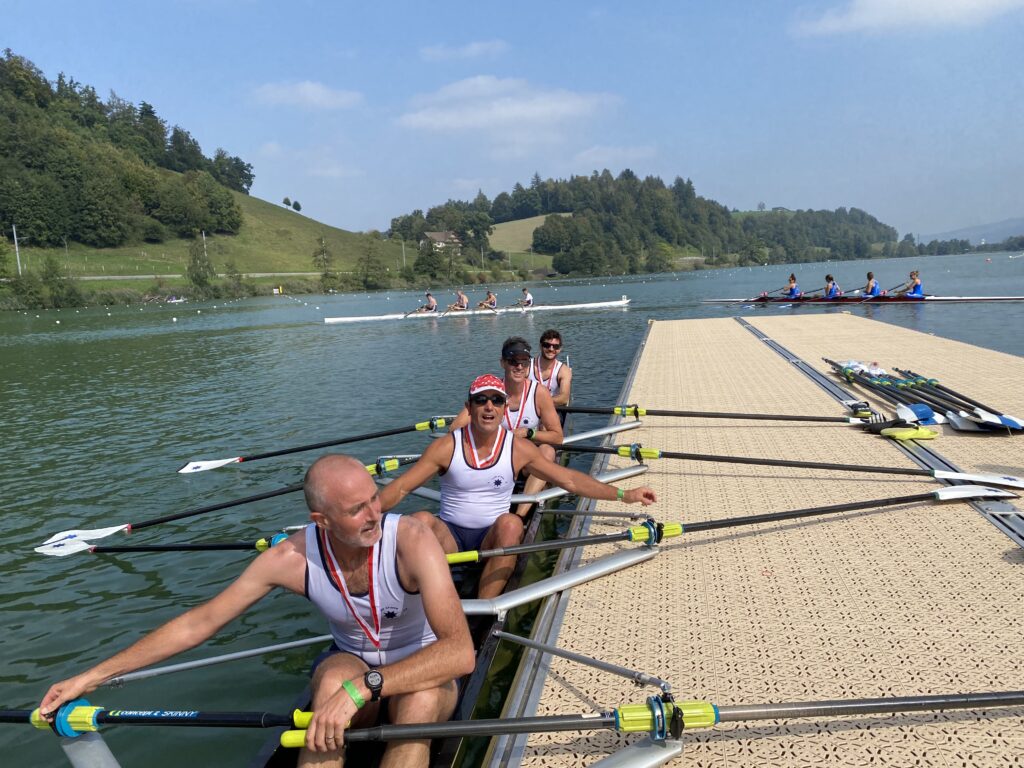
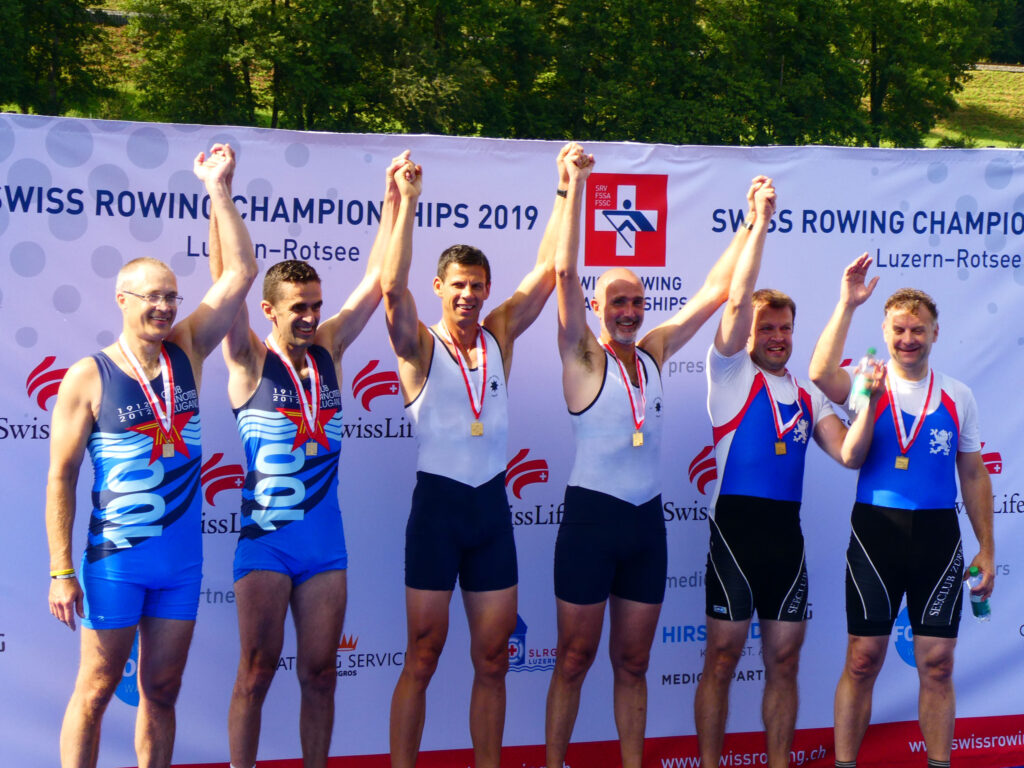
“I completed the course earlier this year, and what I learnt has opened my eyes to what I was truly capable of, and transformed the way I train and prepare. I used to always train hard, yet never knew if I was really training the right way. Since I have done the course, I now KNOW what I need to do to reach my potential. I don’t train any more than I used to, yet I am going faster on the ergo and on the water. I can better plan my training to achieve balance with my family and the business that I own and operate.
I highly recommend this course to anyone that wants to train smart vs. just training harder all the time.”
J Van Vulpen, The Netherlands
Still, just in case you’re hesitating, consider our 100% guarantee for this course: If you find that it hasn’t met your expectations, simply drop us a note after you’ve participated through all the lessons and attended the online Zoom calls, and we’ll refund your entire tuition. We’ve found that when our students contribute to the course, they get back far more than they put into it. Sometimes life gets in the way. If you need to withdraw from the workshop before you complete it, we’re happy to defer you to a future session at no cost. Just ask. To be fair to all, we don’t offer refunds for non-participation.
Click here to purchase the course $287.00
Contact me directly for the subscribers discount code.
When does the course start?
Access to the course opens November 14th. If you’re interested in joining, be sure to sign up. We’ll send you an email to let you know when the next interactive session is about to begin.
When are the interactive sessions?
All the online classes are held on Zoom, and Live on the Faster Alumni Group on Facebook. The classes are recorded for access later on.
What do we cover in the interactive sessions?
Bill will be there on each of the Live Zoom Class calls, to help guide you and help ensure that the course flows smoothly, sharing insights from other alumni, his own personal experience, and occasionally comment with just the right question at just the right time. The class will also be streamed Live to the Faster Alumni Group on Facebook.
Are there exams?
We’re delighted to say NO. And no grades, either. We feel really strongly that a test-and-measure culture will not help you to learn here. Better to learn by taking action.
Is the workshop accredited?
Proudly, no. Accreditation makes sense for a certain kind of institutions delivering a certain kind of education. But we’re not willing to build a test-and-measure culture, not willing to embrace an ancient-yet-standard curriculum, and mostly, we’re not willing to distrust our students. We’ll be delighted to offer you a certificate of completion when the course is successfully completed, and even better, we encourage you to find someone at your rowing club, cross fit centre or gym, who will personally vouch for your actions and progress.
Can I get a certificate at the end?
Every student receives a certificate as a PDF, suitable for printing and framing.
How long does the material stay active?
The course content is available until 6-months after the course closes. After that, enrolled students are invited to join our alumni group, on Facebook and participate in future courses with new students as alumni. This way you get access to new materials and can contribute to your own and others learning for the life of the course.
Can I post confidential materials in the Facebook group?
The rules of our discussion group are:
With that said, please use your best judgment. If it’s not something you can happily post online, best to disguise the details before you post it here.
Will Bill answer ALL of my questions?
Definitely not. And the good news is that you don’t need him to. The course is designed to give you a compass and a template, not a map. The map, the details of your particular situation… that’s all up to you. We hope the Annual Training Course will help empower your decisions along the way.
Is there an affiliate program?
Yes there is for past students. We’re hoping that if you find the course useful, you’ll happily spread the word to your friends and colleagues. Those interested in becoming an affiliate, contact Bill directly via email.
Should I consider Bill’s other courses on Teachable?
Bill has four top-rated courses on the Teachable platform. Each of which has been taken by hundreds of Masters rowers, just like you. There are reasonably priced courses on;
We know that the peer to peer interactive engagement and live online approach we take in our premier course, is the most effective way to learn, but you might find that the low cost of entry to the online only courses, makes them worth an hour or two of your time.
The key difference is the other Faster courses, don’t offer the peer to peer discussion groups or live interactive Zoom calls. And, that’s the magic of what Annual Training Plan offers.
Click here to purchase the course
Contact me directly for the subscribers discount code.
In my first conversation with John, he left us on a ‘cliffhanger’ with what rowing needs to do to stay relevant. In this follow up conversation, John shares his thoughts on what rowing needs to do to stay relevant and thrive, vs. survive.
John Boultbee AM, is well known in Australian as a lawyer and leading Australian sport administrator, particularly in relation to rowing and football. In 1990, he was appointed a Member of the Order of Australia for services to rowing as an administrator. Between 1989 and 1995, John was Secretary General of the International Rowing Federation (FISA). John was a board member of the International Rowing Federation, Rowing Australia and Steward of the Henley Royal Regatta.


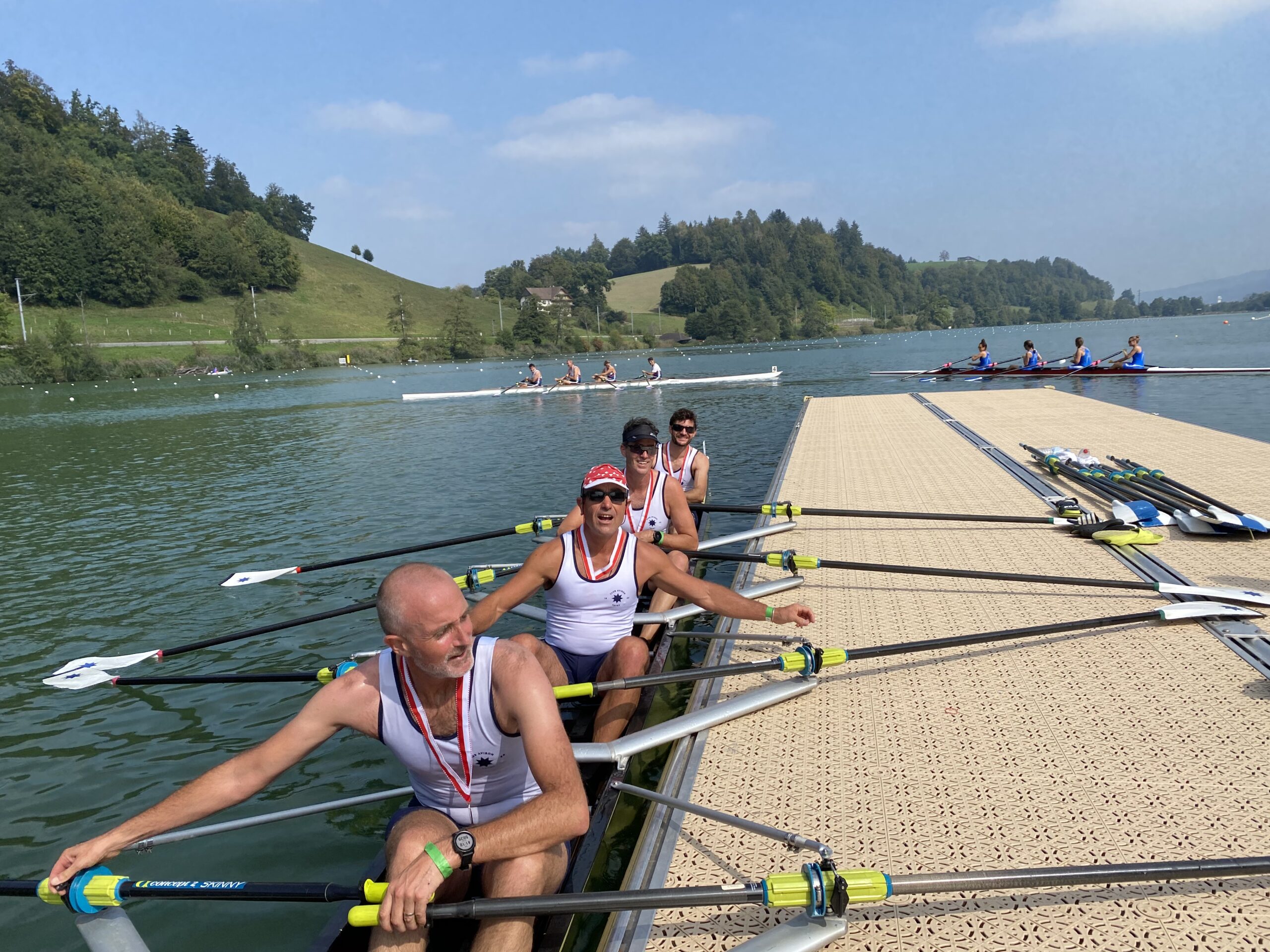
We’d like to suggest you consider the How To Create Your Annual Training Plan online course. It’s a proven, effective way to level up and prepare for the next season in your rowing calendar. This is a proven, effective and powerful way for you to plan out your training, understand where you are now, and start doing the work you were meant to do.
Signups for our new intake of the How To Create Your Annual Training Plan starts today. If you’re ready to start doing the work of transforming your rowing training, this window of time might be an opportunity. Masters rowing is hard work, and the best way to go faster, is to train smarter. You don’t go faster by training more hours. You can’t always train more hours. You do better by finding a better way to prepare and train.
If you’d like to join the others, as they learn and connect together, today is the best day to join. It’s our last session for 2020.
Click here to purchase the course
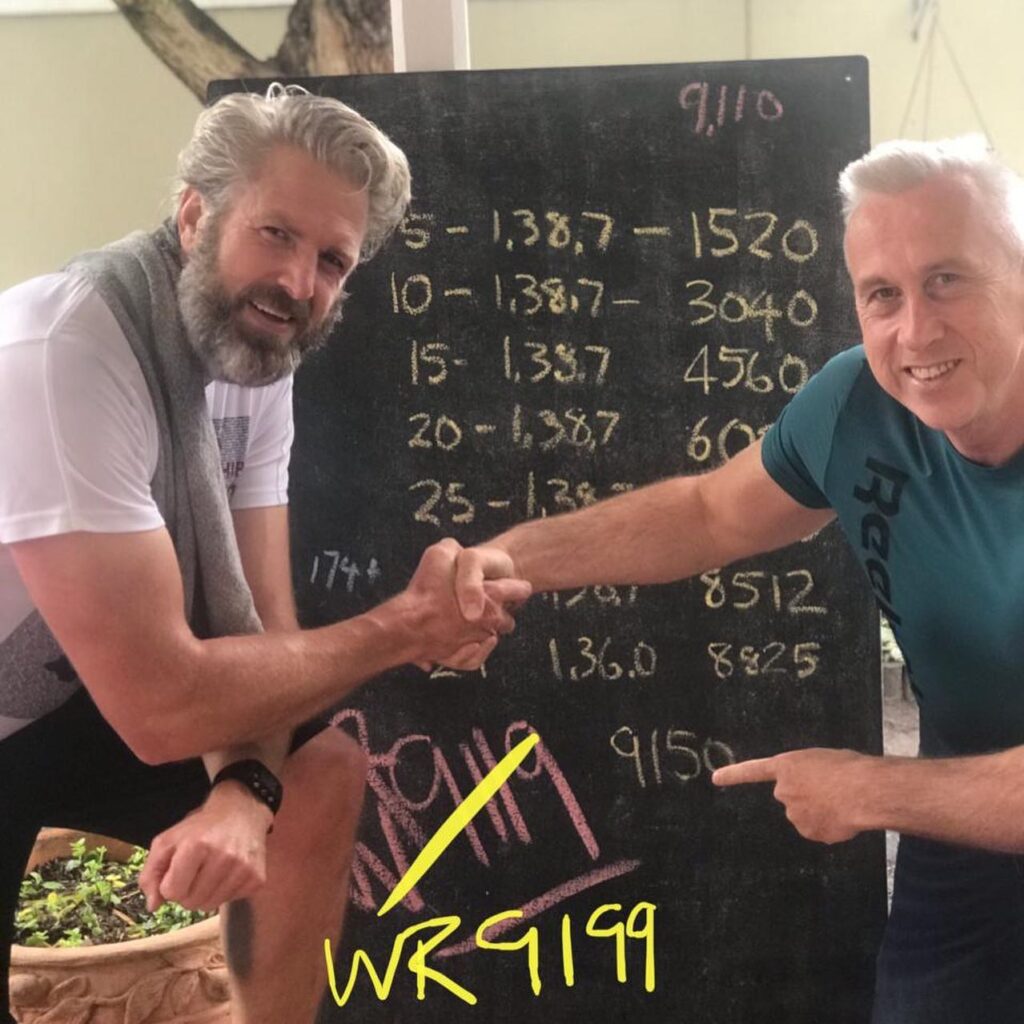
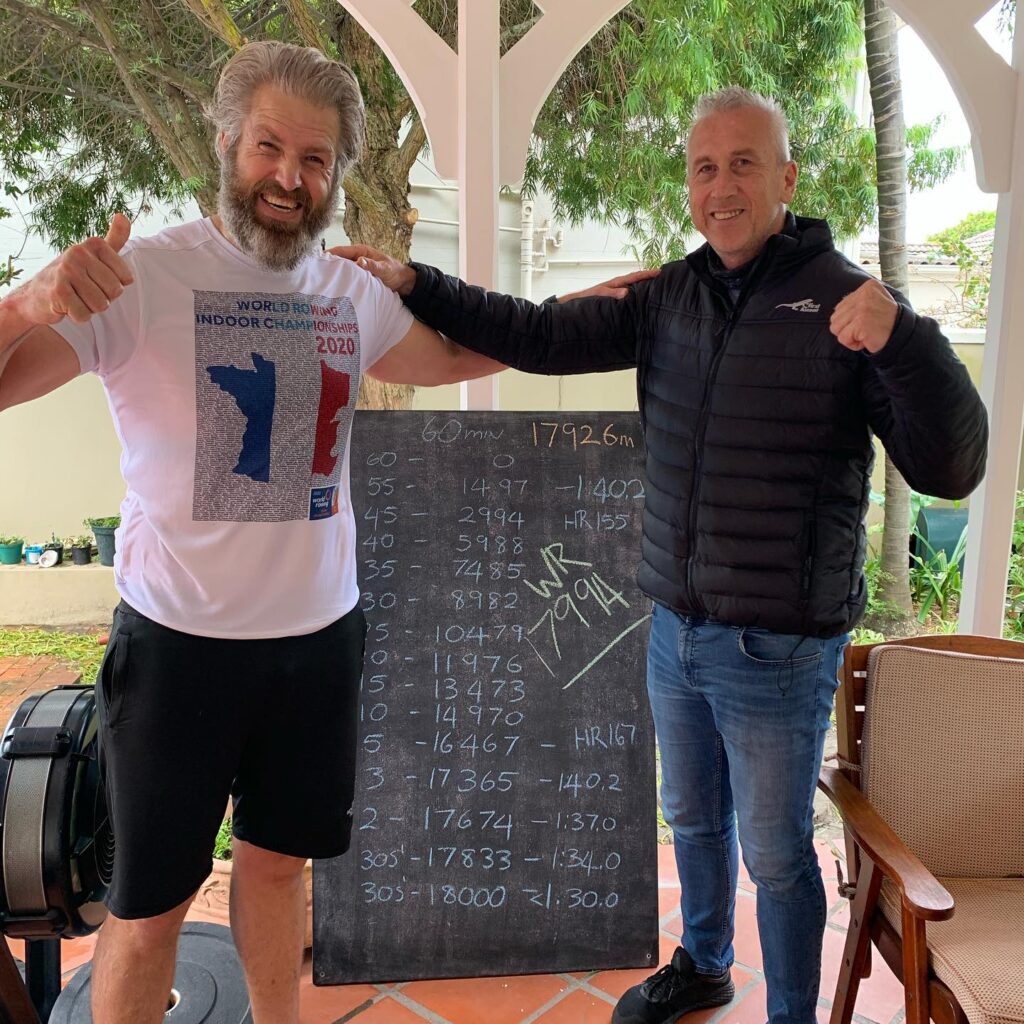
After 10 weeks of Bill Chambers Faster training program, I set out to break @grahambenton record of 9110m. This was my second attempt after hitting the wall the first time at 7min to go. Bill Chambers program was very well laid out and all I had to do was get on with it.
Luke Wollenschlaeger , 5 Times age group world ergo record holder
Click here to purchase the course $287.00
Contact me directly for the subscribers discount code.
Here’s what’s included in the course
“I completed the course earlier this year, and what I learnt has opened my eyes to what I was truly capable of, and transformed the way I train and prepare. I used to always train hard, yet never knew if I was really training the right way. Since I have done the course, I now KNOW what I need to do to reach my potential. I don’t train any more than I used to, yet I am going faster on the ergo and on the water. I can better plan my training to achieve balance with my family and the business that I own and operate.
I highly recommend this course to anyone that wants to train smart vs. just training harder all the time.”
J Van Vulpen, The Netherlands
Click here to purchase the course $287.00
Join hundreds of other Masters Rowers who are changing the way they prepare and train.
Contact me directly for the subscribers discount code.
Hope to see you inside,
Bill and the FASTER Team