
Faster Membership
The rest of this one is for members.
This article, both twelve-week training plans, and the full library of protocols and calculators are part of Faster Membership. CHF 129 for the year.

Faster Membership
The rest of this one is for members.
This article, both twelve-week training plans, and the full library of protocols and calculators are part of Faster Membership. CHF 129 for the year.

Faster Membership
The rest of this one is for members.
This article, both twelve-week training plans, and the full library of protocols and calculators are part of Faster Membership. CHF 129 for the year.

This episode of the Faster Podcast, will help you to better understand the Oar range from Concept2.
Meredith and Kevin explain all there is to know about the different blades, oar shaft and grips from Concept2. We discuss how Concept2 started to where they are today. Key differences between the different blade shapes and oar shaft. How to set up the boat with different oars. How to care and maintain the equipment. To ideas and best practice on how to test which set of oars/scull are the best for you.
Meredith started rowing in high school. She quickly fell in love with early morning practices, erg tests, blisters, and track bite. She continued her rowing career at Cornell University. After graduation, she switched her focus to running and triathlon.
At Concept2, Meredith is a member of the marketing team. Her passion is working to diversity the sport through social justice initiatives. She currently rows with Green Mountain Rowing, a sculling club founded by her husband. They stay active with rowing, running, skiing and chasing after their two daughters.
Kevin is a mechanical engineer at Concept2, having worked on rowing oar and ergometer development for 13 years. A collegiate rower and graduate of Hobart College, Dartmouth College, and the University of Vermont, he’s a Vermont native, and work at Concept2 allows him to combine his love for product development and rowing while taking advantage of all the area has to offer. When not rowing he can be found with his wife and three kids skiing, biking, tinkering, or maple sugaring in the spring.
Peter and Dick use the following procedure when conducting speed testing:
Peter and Dick use the following principles to evaluate results:

Faster Membership
The rest of this one is for members.
This article, both twelve-week training plans, and the full library of protocols and calculators are part of Faster Membership. CHF 129 for the year.

Faster Membership
The rest of this one is for members.
This article, both twelve-week training plans, and the full library of protocols and calculators are part of Faster Membership. CHF 129 for the year.

I’ve been asked by a few readers what supplements I take, and when I considered how to answer this question, it depends on my training and general needs. I start with a food first policy. I make sure my nutrition plan is designed to meet the energy, nutrition, and repair demands the training imposes on my body. When I’m eating enough of the right foods to meet my training loads, I’m generally getting enough macro nutrients, vitamins, minerals, and antioxidants, to maximise both performance and health. Yet sometimes I may not be getting enough nutrients, and taking supplements often helps. Below is an overview of what I do, based on different situations. It’s based on trial and error over the years and with advice from experts in sports science and nutrition.
Twice a day I take supplements from doTERRA Lifelong Vitality Pack including Omega Complex, Microplex VMz Food Nutrient Complex and Alpha CRS+ Cellular Vitality Complex. The pack of three, are full of essential nutrients, metabolism benefits, and powerful antioxidants designed to help promote energy, health, and lifelong vitality. I feel better when I take them twice a day, and they are my ‘insurance’ in case I miss out on any essential vitamins and minerals in my normal meals.

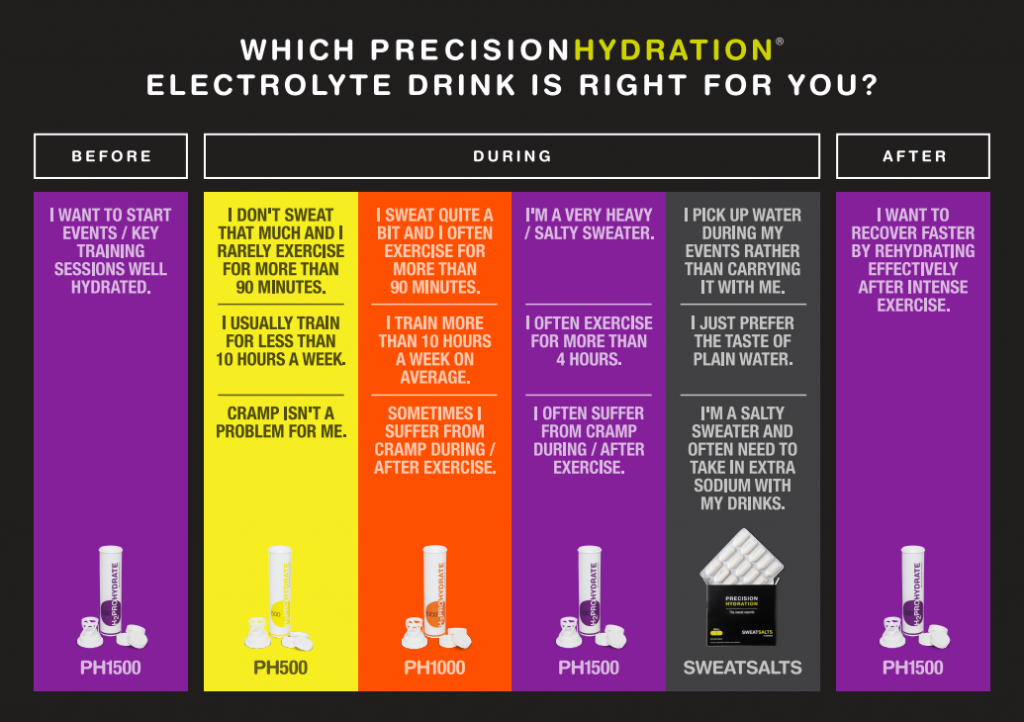
For low intensity aerobic sessions less than 2-hours, I drink a 750 ml bottle of water with a salty hydration drink like PH 1500 about 1 hour before. Only water during the session. After the session I normally have breakfast and my daily doTERRA supplements. Please note that I use the salty 1500 mix from PH. This was determined after taking the PH sweat test online.
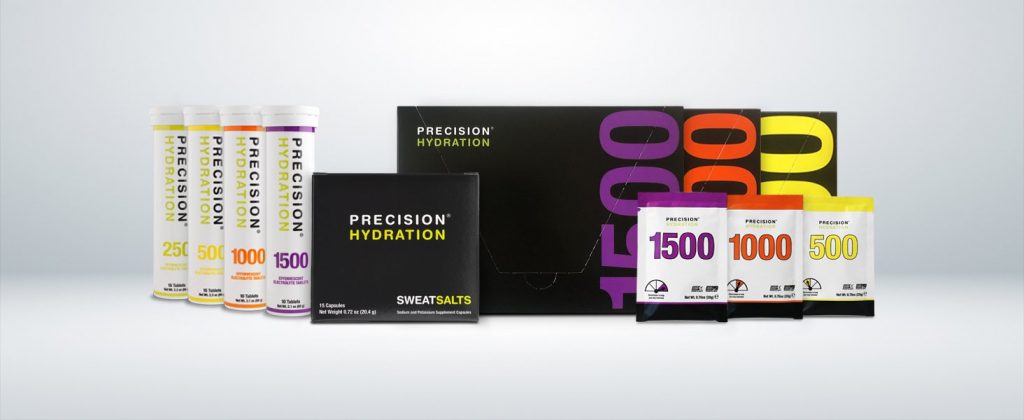
For low intensity aerobic sessions more than 2-hours, I drink a 750 ml bottle of water with a hydration supplement like Sponsor Endurance about 1 hour before.
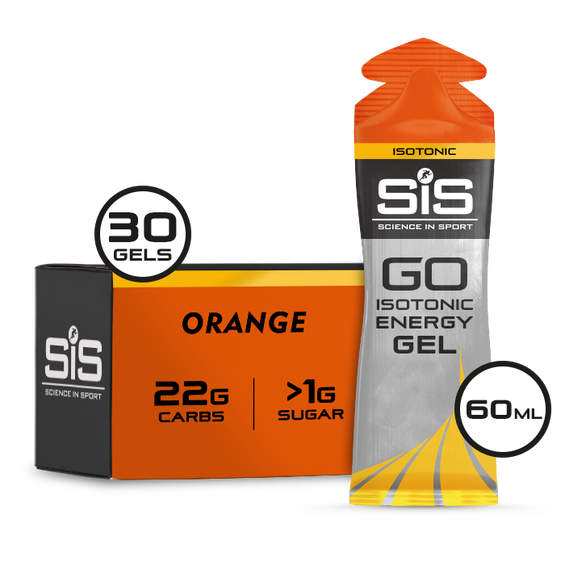
Water in the first hour and then alternate between a carbohydrate drink and water for the ride or row. I target at least 60-80 grams of carbohydrate each hour, with a gel or bar from Science in Sport or Sponser.

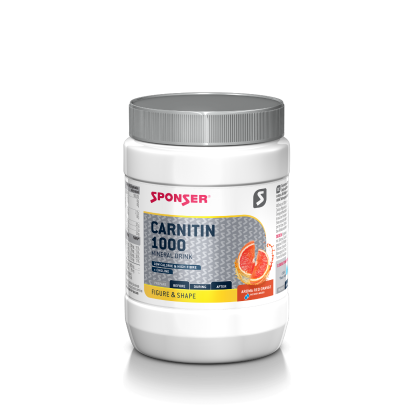
After the session, and within 30-minutes, I take on a protein carbohydrate recovery drink that has a good mix of carbs, protein and Branch Chain Amino Acids (BCCA). I use the Swiss brand, Sponser’s Recovery drink, or equivalent from Science in Sport. I also like to down a glass of water with L-carnitine mixed in. L-carnitine is a vitamin-like nutrient consisting of the two amino acids lysine and methionine. L-carnitine claims to have an important function in fat metabolism, and I find it helps with regeneration.


For high intensity anaerobic sessions, I eat some toast with a banana and honey, or another snack that has some good carbs to fuel the effort. If it’s a long session, then I take a 750 ml carbohydrate drink to sip between efforts, and potentially a gel if the session is over 1 hour. After a HIIT session, and within 30-minutes, I take on a protein carbohydrate recovery drink (see above).
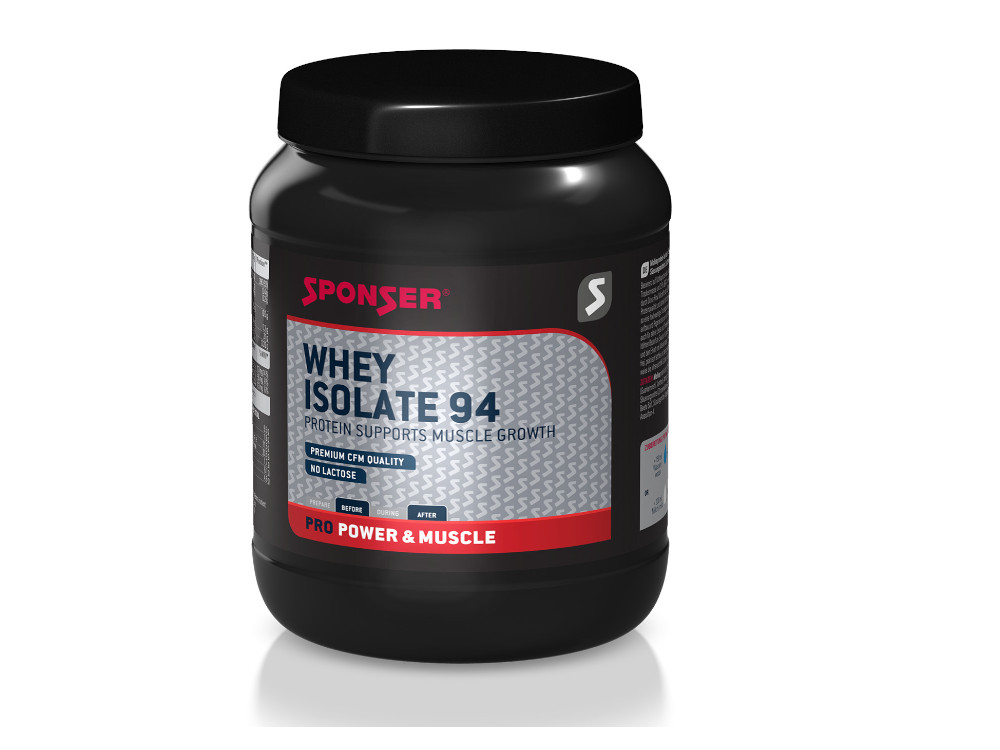
Nothing special before a weights session. I like to be well hydrated and generally weights are at the end of the day, and after a small snack in the late afternoon. Afterwards I pay attention to getting enough protein. If I’m eating a good protein rich meal soon after the session (within 30-minutes) I don’t need to take any supplements, yet generally I down a protein drink. I’m currently using the Swiss brand, Sponser’s Whey Isolate 94 protein powder mixed with water.

If I have strained a muscle, or have an impact bruise, I use doTERRA Deep Blue Rub on the area for deep muscle relief. The cream is non greasy and feels great. I also use the Deep Blue Polyphenol Complex tablets. The tablets are a combination of polyphenol extracts of frankincense, turmeric, green tea, ginger, pomegranate, and grape seed, and is designed to provide soothing support to aching muscles. The anti-inflammatory benefits of turmeric are well published, and these tablets provide a similar effect for me as a paracetamol and Ibuprofen.

Always a tricky subject this one. There are a handful of performance enhancing supplements, that have a good evidence base as safe, legal to use and effective. I have researched and mapped, the supplements and protocols used by professional sporting teams, and dialled these protocols in for rowing. I often use these supplements to enhance performance and recovery during heavy training blocks, and before major races with great effect. If you’re interested in my guide to the performance supplements I use, you can find out more by becoming a Premium Subscriber. P.S I don’t share this information in my general newsletter, as I feel this information should be reserved for those that want to invest in their performance.

Faster Membership
The rest of this one is for members.
This article, both twelve-week training plans, and the full library of protocols and calculators are part of Faster Membership. CHF 129 for the year.

Success loves preparation, and it’s not uncommon to see athletes heading into the last months of the year, without a clear goal for the next year, and an understanding of what they need to do to achieve their goals. With the off season in Europe and America and with at least 6-months to racing in most of the world, we have an opportunity, to reflect on results from 2022, what went well and what can be improved for next year. Question is, will you take time to reflect and plan?
I thought I’d share the approach I use, along with the approaches from super successful masters athletes and coaches, with the intention of inspiring and even challenging you, in your approach to setting up, and preparing for the year ahead.
Many rowers feel that they shouldn’t take a break at the end of the season. I like to take at least 3-weeks off, and sometimes 4-weeks. Rest the body and mind. Build up an appetite to get back in the boat, gym and ergo, to train through the off season. I use this time to build up my reserves, and to reflect what I need to do to go faster next year.
Take some time to reflect on the year to date. What did you do this year, and how has it worked out?
Now that you have the what identified, i.e. data points from the season, a good question to consider is, so what? With good data from the year, you can start making informed decisions, on where to focus in the year ahead.
In my interview with multiple HOCR winner, Greg Benning, this is what he had to say about planning the year.
Goal #1: Do it better every year
Accretive: Start with prior year, try new stuff, keep best ideas
Incremental Gains: Keeping a list of strengths, weaknesses, measuring
Faster podcast interview with Greg Benning (2020)
I use the time now to plan forward for next year, with a strong focus on what I need to do in the off season, to be ready for the base training in 4-months time.
Review and Plan are key aspects of success in life, business and sport. I hope that some of the points I have raised, challenge and inspire you, to review what you have done, and identify areas that will help you to go faster.

Faster Membership
The rest of this one is for members.
This article, both twelve-week training plans, and the full library of protocols and calculators are part of Faster Membership. CHF 129 for the year.

Dr Tony Rice is a legend in sports science and has been involved in sports science with Rowing Australia for more than two decades. Tony is the Head of Performance Support at Rowing Australia. Tony and I cover many topics, yet I was really curious to understand more about the Endurance Training Score (ETS) system that he developed, to quantify the specific training loads in rowing.
Tony covers in detail his thinking on how to breath in rowing for optimal performance. His experiments with the best race week taper, dynamic warm-ups and how to best activate the body to be ready to race.
Some fantastic insights into how the world’s very best prepare to race, and what we can learn and adapt from these insights.