Tag: Bill Chambers

  • How to adjust supplements to your training needs

    How to adjust supplements to your training needs

    Making sure you are ready to perform at your best

    I’ve been asked by a few readers what supplements I take, and when I considered how to answer this question, it depends on my training and general needs. I start with a food first policy. I make sure my nutrition plan is designed to meet the energy, nutrition, and repair demands the training imposes on my body. When I’m eating enough of the right foods to meet my training loads,  I’m generally getting enough macro nutrients, vitamins, minerals, and antioxidants, to maximise both performance and health. Yet sometimes I may not be getting enough nutrients, and taking supplements often helps. Below is an overview of what I do, based on different situations. It’s based on trial and error over the years and with advice from experts in sports science and nutrition. 

    Daily

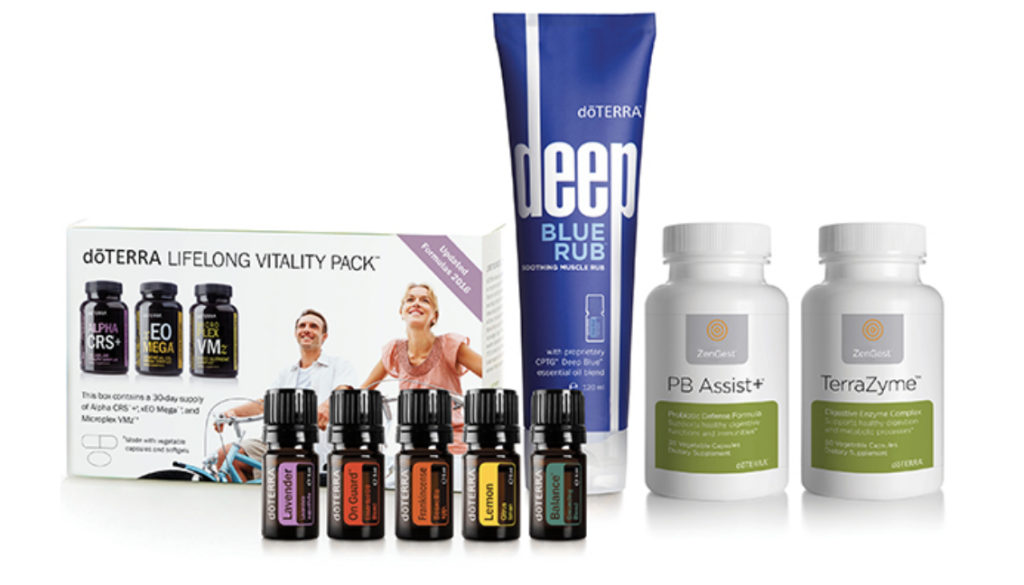
    Twice a day I take supplements from doTERRA Lifelong Vitality Pack including Omega Complex, Microplex VMz Food Nutrient Complex and Alpha CRS+ Cellular Vitality Complex. The pack of three, are full of essential nutrients, metabolism benefits, and powerful antioxidants designed to help promote energy, health, and lifelong vitality. I feel better when I take them twice a day, and they are my ‘insurance’ in case I miss out on any essential vitamins and minerals in my normal meals. 
    Endurance session <2 hours

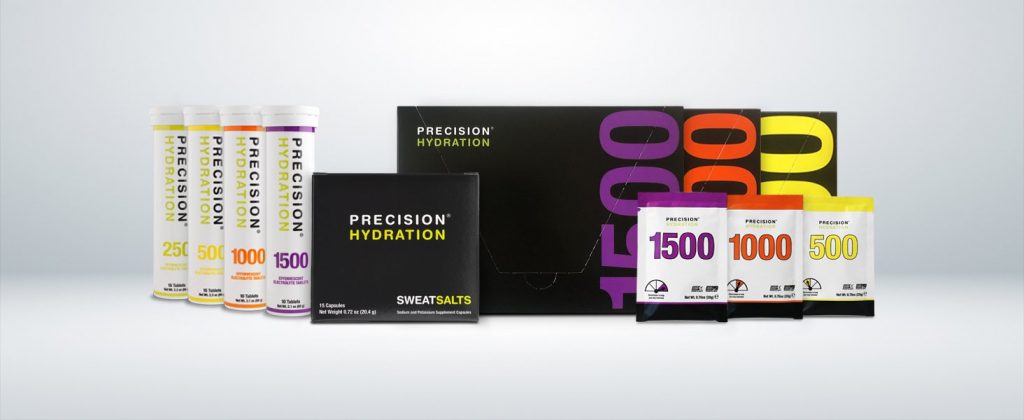
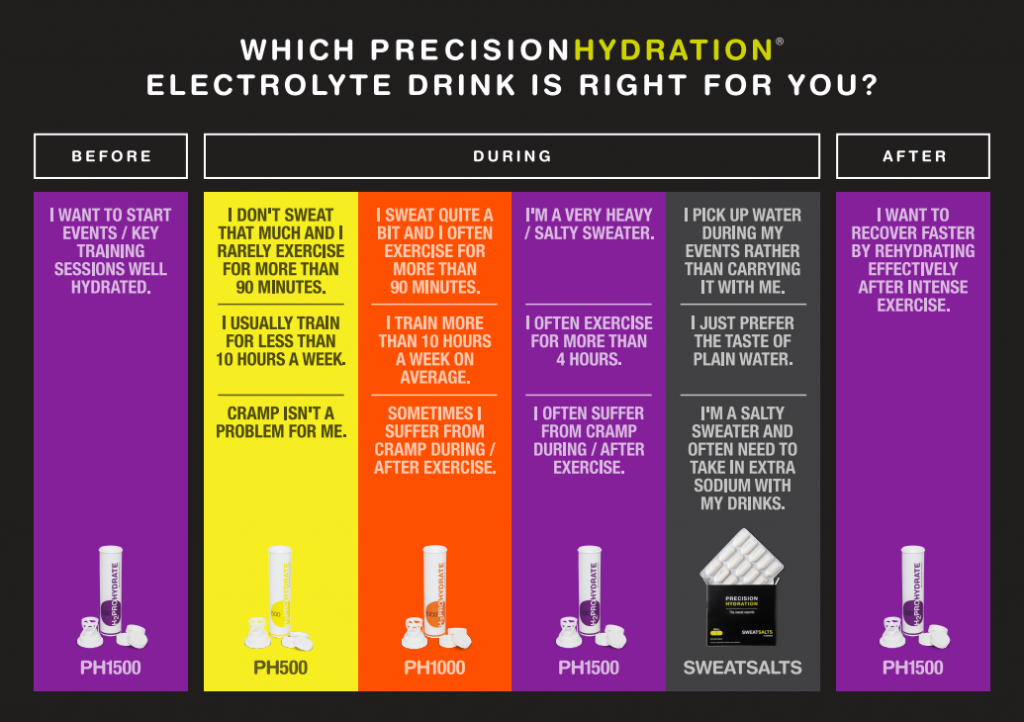
    For low intensity aerobic sessions less than 2-hours, I drink a 750 ml bottle of water with a salty hydration drink like PH 1500 about 1 hour before. Only water during the session. After the session I normally have breakfast and my daily doTERRA supplements. Please note that I use the salty 1500 mix from PH. This was determined after taking the PH sweat test online.
    Endurance session  2-4 hours

    For low intensity aerobic sessions more than 2-hours, I drink a 750 ml bottle of water with a hydration supplement like Sponsor Endurance about 1 hour before. 

    Water in the first hour and then alternate between a carbohydrate drink and water for the ride or row. I target at least 60-80 grams of carbohydrate each hour, with a gel or bar from Science in Sport or Sponser. 
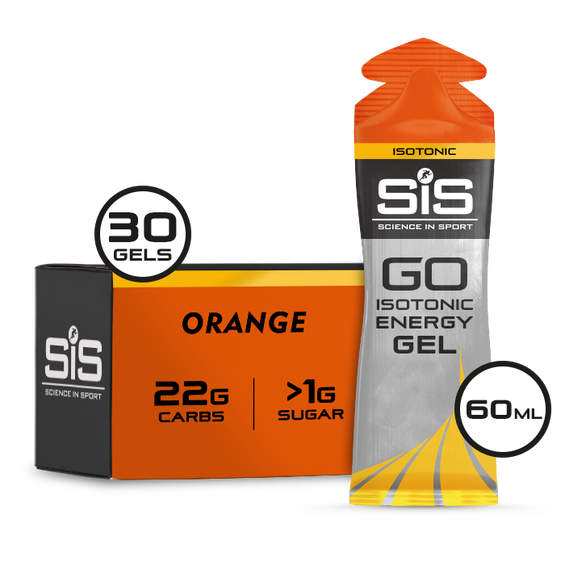
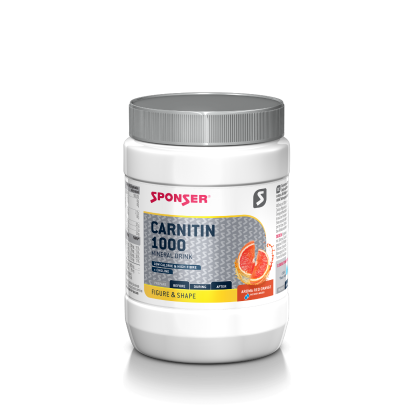
    After the session, and within 30-minutes, I take on a protein carbohydrate recovery drink that has a good mix of carbs, protein and Branch Chain Amino Acids (BCCA). I use the Swiss brand, Sponser’s Recovery drink, or equivalent from Science in Sport. I also like to down a glass of water with L-carnitine mixed in. L-carnitine is a vitamin-like nutrient consisting of the two amino acids lysine and methionine.  L-carnitine claims to have an important function in fat metabolism, and I find it helps with regeneration.

    High intensity interval training session (HIIT)

    For high intensity anaerobic sessions, I eat some toast with a banana and honey, or another snack that has some good carbs to fuel the effort. If it’s a long session, then I take a 750 ml carbohydrate drink to sip between efforts, and potentially a gel if the session is over 1 hour. After a HIIT session, and within 30-minutes, I take on a protein carbohydrate recovery drink (see above). 

    Weights training

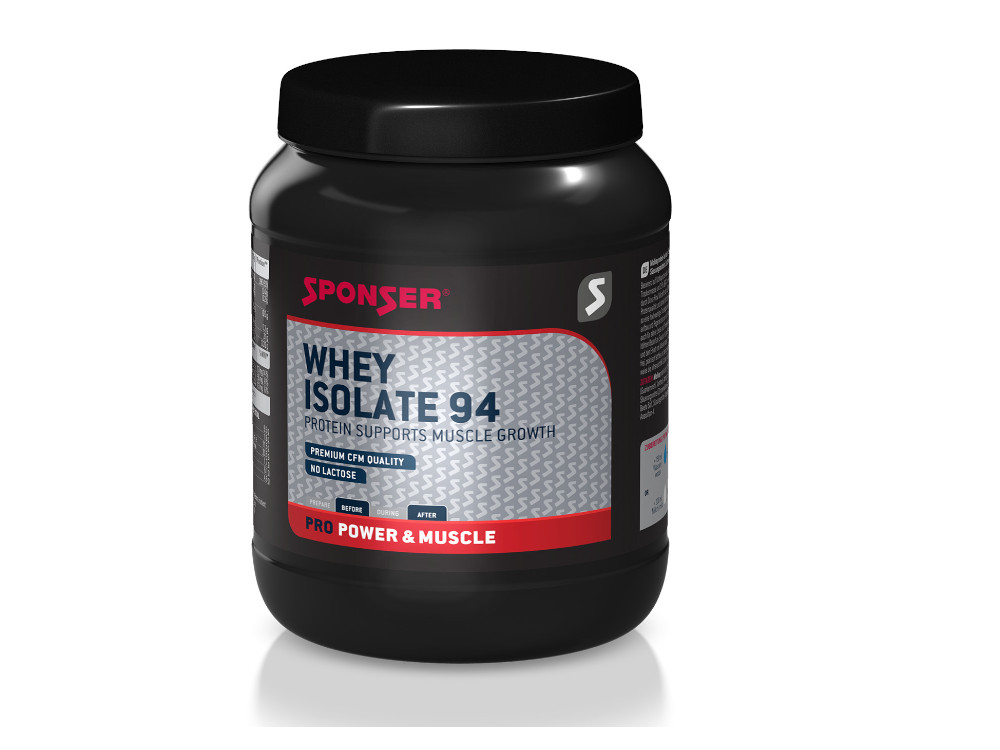
    Nothing special before a weights session. I like to be well hydrated and generally weights are at the end of the day, and after a small snack in the late afternoon. Afterwards I pay attention to getting enough protein. If I’m eating a good protein rich meal soon after the session (within 30-minutes) I don’t need to take any supplements, yet generally I down a protein drink. I’m currently using the Swiss brand, Sponser’s Whey Isolate 94 protein powder mixed with water.
    Pain relief

    If I have strained a muscle, or have an impact bruise, I use doTERRA Deep Blue Rub on the area for deep muscle relief. The cream is non greasy and feels great. I also use the Deep Blue Polyphenol Complex tablets. The tablets are a combination of polyphenol extracts of frankincense, turmeric, green tea, ginger, pomegranate, and grape seed, and is designed to provide soothing support to aching muscles. The anti-inflammatory benefits of turmeric are well published, and these tablets provide a similar effect for me as a paracetamol and Ibuprofen. 

    Performance Enhancing Supplements

    Always a tricky subject this one. There are a handful of performance enhancing supplements, that have a good evidence base as safe, legal to use and effective. I have researched and mapped, the supplements and protocols used by professional sporting teams, and dialled these protocols in for rowing. I often use these supplements to enhance performance and recovery during heavy training blocks, and before major races with great effect. If you’re interested in my guide to the performance supplements I use, you can find out more by becoming a Premium Subscriber. P.S I don’t share this information in my general newsletter, as I feel this information should be reserved for those that want to invest in their performance.

  • Tips to Go Faster in the same regatta next year. (Premium access)

    Tips to Go Faster in the same regatta next year. (Premium access)

    Faster Membership

    The rest of this one is for members.

    This article, both twelve-week training plans, and the full library of protocols and calculators are part of Faster Membership. CHF 129 for the year.

    See what’s inside Members log in

  • What the best do to constantly improve. Are you planning for 2023 now?

    What the best do to constantly improve. Are you planning for 2023 now?

    Success loves preparation, and it’s not uncommon to see athletes heading into the last months of the year, without a clear goal for the next year, and an understanding of what they need to do to achieve their goals. With the off season in Europe and America and with at least 6-months to racing in most of the world, we have an opportunity, to reflect on results from 2022, what went well and what can be improved for next year. Question is, will you take time to reflect and plan?

    I thought I’d share the approach I use, along with the approaches from super successful masters athletes and coaches, with the intention of inspiring and even challenging you, in your approach to setting up, and preparing for the year ahead.

    First, take some time off

    Many rowers feel that they shouldn’t take a break at the end of the season. I like to take at least 3-weeks off, and sometimes 4-weeks. Rest the body and mind. Build up an appetite to get back in the boat, gym and ergo, to train through the off season. I use this time to build up my reserves, and to reflect what I need to do to go faster next year.

    Review the year

    Take some time to reflect on the year to date. What did you do this year, and how has it worked out?

    What I review

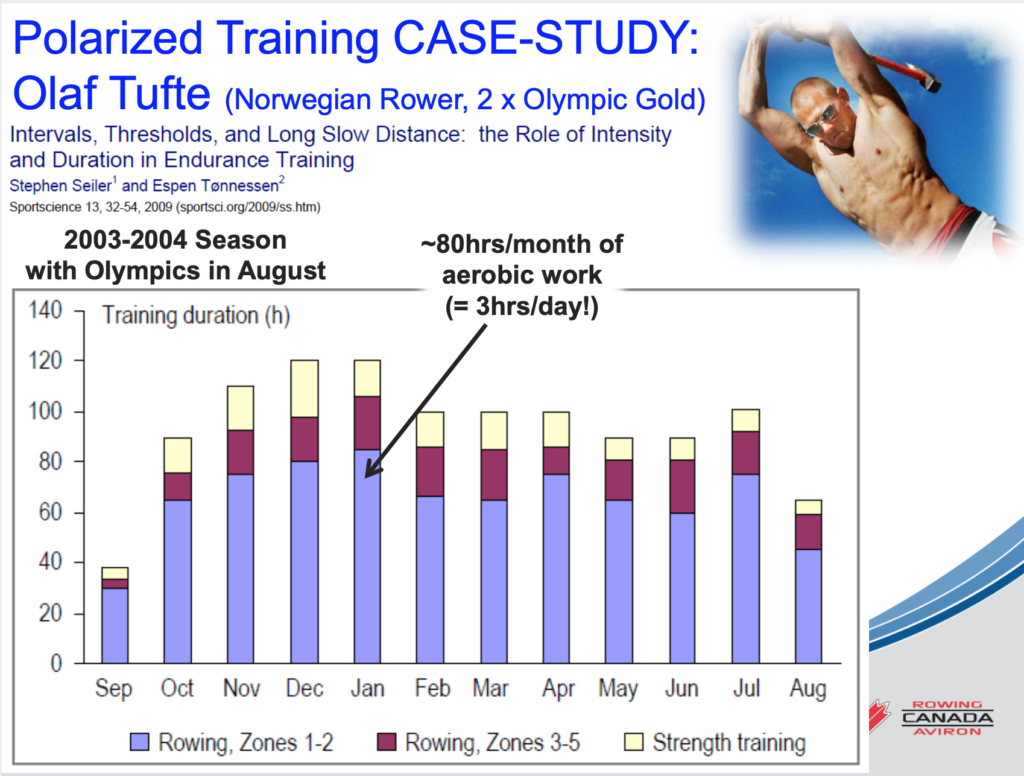
    • Total training hours vs. prior year
    • Total annual training stress score (TSS) and total TSS in the last 8-weeks leading to a target race vs. plan vs. prior year
    • Percentage of time spent in high vs. low intensity vs. target
    • Number of strength sessions and progression in power to weight
    • Online and actual regattas, how’d you go? What were your results?
    • What blocked you and what would you do differently in hindsight?
    • New things you tried out during the year. Technique or equipment, how’d it go?
    S Seiler & E Tonnessen (2009)

    Some points to consider in reviewing the year

    • How did you do on the basics; sleep, nutrition and training consistency?
    • Did you complete all the sessions you planned, or did you miss some due to injury, fatigue or work etc…
    • Did you advance your technique (ergo & boat) to go faster? It’s noticeable at all intensities/power output, when rowers improve their technique. How’d you go? Are you getting the right advice? Have you consulted someone to help you? Are you focusing on the improvement or did you just go through the motions.
    • Did your aerobic efficiency improve over time? e.g. more power (watts) at your aerobic threshold. Did you measure this?
    • Did you improve your power at your anaerobic threshold?
    • Did your power and strength improve with training? Is this something you track and manage?

    So What! Identify areas for improvement

    Now that you have the what identified, i.e. data points from the season, a good question to consider is, so what? With good data from the year, you can start making informed decisions, on where to focus in the year ahead.

    In my interview with multiple HOCR winner, Greg Benning, this is what he had to say about planning the year.

    Goal #1: Do it better every year

    Accretive:  Start with prior year, try new stuff, keep best ideas

    Incremental Gains: Keeping a list of strengths, weaknesses, measuring

    Faster podcast interview with Greg Benning (2020)
    • If your power fades and you can’t last in a race, you may need to spend time building your aerobic base?
    • If you find that your power to weight has decreased, it will be time to get into the gym and build the strength over the months of Nov – Jan.
    • You have good times on the ergo yet this doesn’t translate to speed on the water in comparison to your peers. Time to get some technical advice and engage a coach.

    Use the off season to invest

    I use the time now to plan forward for next year, with a strong focus on what I need to do in the off season, to be ready for the base training in 4-months time.

    • Systems and tools to help me track and analyse performance
    • Getting crystal clear on the main target events, and how these fit around family and work
    • Identify clearly the gaps I need to close and the plan to close them
    • Planning out the main training phases.
    • Complete a strength and power block. Targeting an increase in lean muscle mass, before the high volume endurance work starts
    • Close the gaps in weak areas. For example, I may want to work on a specific area for strength improvement or flexibility.

    Review and Plan are key aspects of success in life, business and sport. I hope that some of the points I have raised, challenge and inspire you, to review what you have done, and identify areas that will help you to go faster.

  • Endurance Training Score Calculator

    Endurance Training Score Calculator

    Faster Membership

    The rest of this one is for members.

    This article, both twelve-week training plans, and the full library of protocols and calculators are part of Faster Membership. CHF 129 for the year.

    See what’s inside Members log in

  • Faster Podcast Interview with Nick Lloyd, woman’s rowing coach, Swiss Rowing Federation

    Faster Podcast Interview with Nick Lloyd, woman’s rowing coach, Swiss Rowing Federation

    Nick Lloyd is the woman’s coach at the Swiss Rowing Federation, and the assistant coach to Ian Wright. Growing up in Sydney Australia, Nick has been involved in and led the coaching of some of the most successful school crews in Australia and New Zealand. Now assisting Head Coach Ian Wright in the Swiss programme, Nick shares his thoughts on what it takes to bring a crew together as one to go fast, and his approach to technique.

    Books mentioned in the interview.

    • True Blue
    • Last of the amatuers
    • Boys in the boat

    Video mentioned in the interview.

    ‘The Crew’ Rowing Documentary – Nudgee College 

  • Results from Concept2 blade testing – Comps vs. Smoothies

    Results from Concept2 blade testing – Comps vs. Smoothies

    Faster Membership

    The rest of this one is for members.

    This article, both twelve-week training plans, and the full library of protocols and calculators are part of Faster Membership. CHF 129 for the year.

    See what’s inside Members log in

  • Preparing for the HOCR with Greg Benning

    Preparing for the HOCR with Greg Benning

    Join Greg and I, as we discuss Greg’s preparations for this years Head of The Charles Regatta. How he adapted his training through Covid-19 and what he has been experimenting with. 

    Greg Benning, started rowing at the University of Pennsylvania in 1980 and has been engaged in the sport ever since. Greg is the Vice-Chair of US Rowing and a multiple winner of the Head of The Charles regatta.

    This episode is a recording of the exclusive Live event for the Masters Rowing Group and my newsletter subscribers. For more information and to subscribe to my newsletter, go to www.whchambers.com and subscribe.

    Listen to Faster Podcast

  • Faster Podcast Interview with International Rowing Coach, Marty Aitken

    Faster Podcast Interview with International Rowing Coach, Marty Aitken

    Marty Aiken is known world wide as one of best coaches around. Marty started coaching in the 1980’s and has a track record of success at World Championships, Henley Royal Regatta and the Olympics having coached Xeno Muller to a Gold in 1996 and Silver in 2000, and the Gier brothers to Gold in 1996.

    Marty has held positions with Rowing Australia, the Victorian Institute of Sport, GB Rowing, Scottish Institute of Sport and Swiss Rowing and was recognised as Coach of the year by the International Rowing Federation.

    Marty is a great story teller with plenty of stories to share with us about his time working with Jürgen Gröbler, Harry Mahon, Paul Thompson and Chris O’Brian. Marty shares what it was like to coach Xeno Muller and the Gier brothers to Gold in the 1996 Olympics, along with his thoughts on how to move the boat fast.

  • USRowing Masters Webinar – 2 April 2022

    USRowing Masters Webinar – 2 April 2022

    USRowing has organised a full Saturday conference of masters-specific educational content offered virtually. Plenty of interesting speakers including a keynote presentation from Dr. Stephen Seiler on ‘Appropriate training for masters athletes’.

    I will be presenting two webinars at the conference, and look forward to seeing you there.

    1. How to use data to effectively plan, track and manage your training program.

    This webinar will be of interest to masters rowers that are interested in preparing for the regatta session, or simply want to understand what metrics they need to track and how to use them in order to train in a systematic way. 

    Topics covered will include:

    • How to measure and track training load. 
    • How to track progression. 
    • How to measure and monitor recovery. 
    • Sharing insights and pragmatic approaches from the world class rowing programs. 

    It will be an hour-long webinar will include a Q&A, so be sure to prepare yours in advance.

    2. How to plan your return from illness, injury or an extended time off rowing.

    This webinar will be of interest to anyone that is looking to understand different approaches to return to rowing after taking time off. I will be sharing my own personal experience in returning to rowing after a near fatal accident, along with tried and tested approaches that you can use to plan your return. 

    Topics covered will include:

    • How long will it take to get back in shape. 
    • What you need to focus on, when and for how long. 
    • How to increase your training over time to keep progressing safely. 
    • Pragmatic ways to track your progress 

    This will be an hour-long webinar will include a Q&A, so be sure to prepare yours in advance.


    Registration information from USRowing

    Individual Conference Pass ($79): This pass will get you full access to all live sessions within the conference and their recordings. This pass is intended for one person to have access to the conference.

    Boathouse Pass ($299): This pass is intended for a boathouse to gain access to the conference. After registering for this pass, account holders should email EventsTeam@usrowing.org with an excel spreadsheet of members names and email addresses that should have access to the content. There is no limit of attendees per boathouse pass.

    Individual Conference Pass with Championship Membership ($129): This pass will get you full access to all live sessions within the conference and their recordings. This pass is intended for one person to have access to the conference. This pass also includes a USRowing Championship Membership at a discounted rate. While a membership is not required for this conference, if you do intend to renew your membership, this is the time to do so to take advantage of a discounted rate!

    More information can be found at here and registration is done via Regatta Central at the following link.

  • Podcast interview with Adrian Cassidy

    Podcast interview with Adrian Cassidy

    Excited to share this interview with Adrian Cassidy. Adrian has so much experience to share from rowing and high performance. Adrian rowed for Team GB winning world Championships from junior through to elite before an accident that ended his rowing career. Adrian shares his come back story from a broken neck to a career as an international rowing coach. His experiences and insights from coaching at Cambridge University Boat Club, then British Rowing, and Rowing Ireland where he was chief coach.

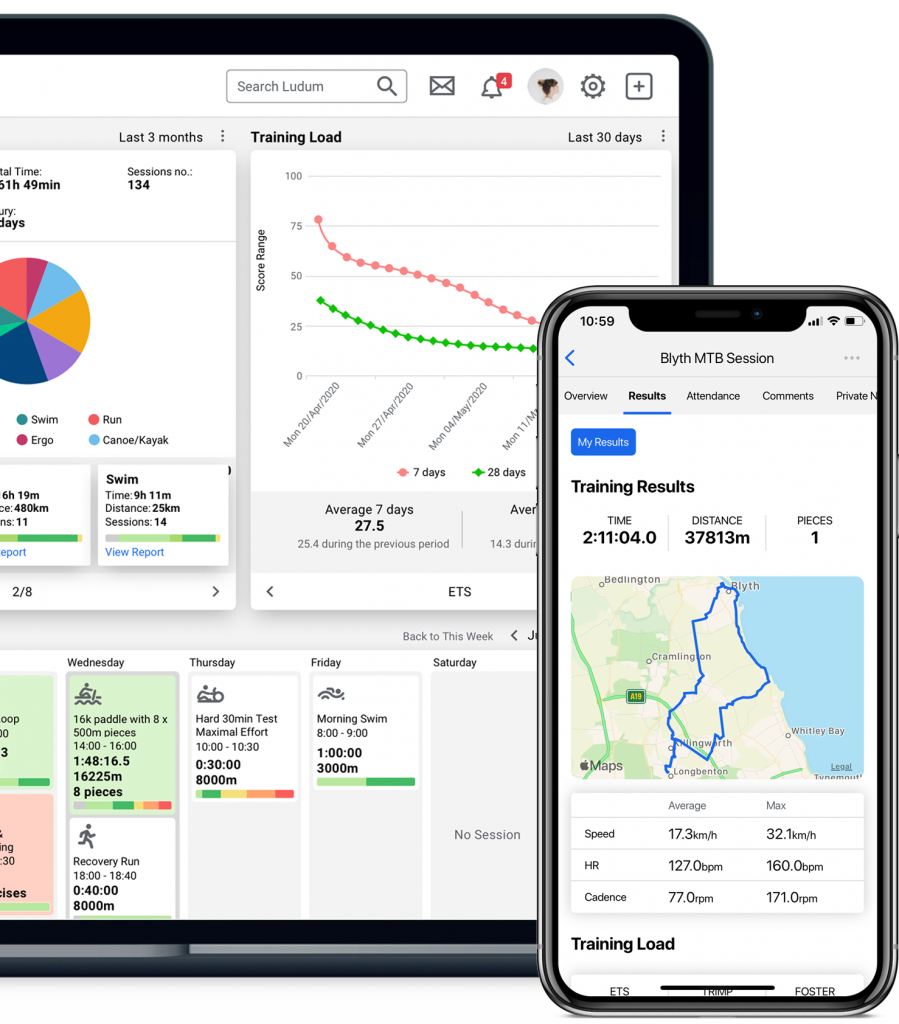
    Adrian shares some wonderful stories and insights into rowing and how his passion for excellence and helping others to achieve their potential led to the creation of Ludum, specialised performance management software to make life easier for rowers and rowing coaches. As well as setting up the Rowers Conference, to help advance rowing coaches skill and coaching expertise.

    Faster Podcast