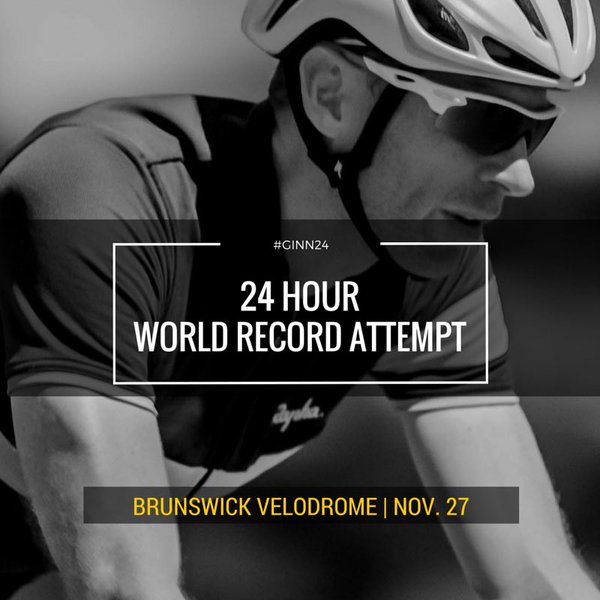
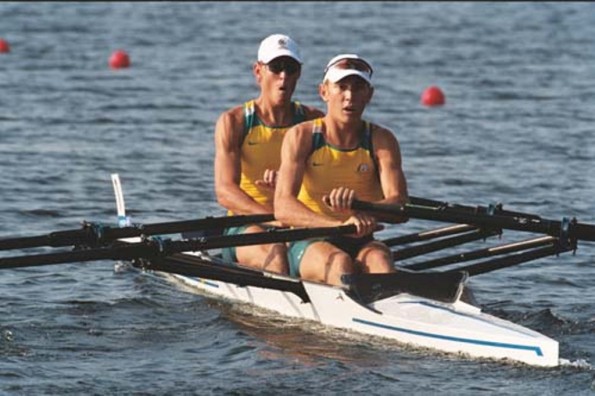
Join me as I speak exclusively with Vincent Galliard, Executive Director of World Rowing about the future direction of Rowing. In this episode, Vincent shares World Rowing’s 15 year plan to transform the reach, the image and revenues of the sport. We discuss the expansion into coastal rowing, indoor rowing, plans to drive awareness and boost audience engagement. Vincent also talks about what we can expect after the 1,500m racing format at the LA Games. World Rowing’s new partnership with Concept2 and the future of rowing in e-sports Games.
Tag: world rowing
-

I’m trying to lose weight and eat healthily. Why do I feel so hungry all the time? What can I do about it?
Several hormones play an essential role in regulating our feelings of hunger and fullness.
Sharing original article posted by Nick Fuller, Sat 16 Dec 2023 Australian Broadcasting Corporation
Benjamin Franklin, one of the founding fathers of the United States, famously said nothing is certain except death and taxes. But I think we can include “you’ll feel hungry when you’re trying to lose weight” as another certainty.
The reason is basic biology. So how does this work — and what can you do about it?
Hormones control our feelings of hunger
Several hormones play an essential role in regulating our feelings of hunger and fullness. The most important are ghrelin — often called the hunger hormone — and leptin.
When we’re hungry, ghrelin is released by our stomach, lighting up a part of our brain called the hypothalamus to tell us to eat.
When it’s time to stop eating, hormones, including leptin, are released from different organs, such as our gut and fat tissue, to signal to the brain that we’re full.
Dieting disrupts the process
But when we change our diet and start losing weight, we disrupt how these appetite hormones function. This triggers a process that stems from our hunter-gatherer ancestors. Their bodies developed this mechanism as a survival response to adapt to periods of deprivation and protect against starvation.
The levels of hormones managing our hunger increase, making us feel hungrier to tell us to eat more, while the ones responsible for signalling we’re full decrease their levels, intensifying our feelings of hunger.
We end up increasing our calorie consumption so we eat more to regain the weight we lost. But worse, even after the kilos creep back on, our appetite hormones don’t restore to their normal levels — they keep telling us to eat more so we put on a little extra fat. This is our body’s way of preparing for the next bout of starvation we will impose through dieting.
Fortunately, there are things we can do to manage our appetite, including:
1. Eating a large, healthy breakfast every day
One of the easiest ways to manage our feelings of hunger throughout the day is to eat most of our food earlier in the day and taper our meal sizes so dinner is the smallest meal.
Research shows a low-calorie or small breakfast leads to increased feelings of hunger, specifically appetite for sweets, across the course of the day.
Another study found the same effect. Participants went on a calorie-controlled diet for two months, where they ate 45 per cent of their calories for breakfast, 35 per cent at lunch and 20 per cent at dinner for the first month, before switching to eat their largest meal in the evening and their smallest in the morning. Eating the largest meal at breakfast resulted in decreased hunger throughout the day.
Research also shows we burn the calories from a meal 2.5-times more efficiently in the morning than the evening. So emphasising breakfast over dinner is good not just for hunger control, but also weight management.
Protein-rich foods, such as eggs, leave us feeling fuller for longer.(ABC Rural: Meg Powell) 2. Prioritising protein
Protein helps contain feelings of hunger. This is because protein-rich foods such as lean meats, tofu and beans suppress the appetite-stimulating ghrelin and stimulate another hormone called peptide YY that makes you feel full.
And just as eating a breakfast is vital to managing our hunger, what we eat is important too, with research confirming a breakfast containing protein-rich foods, such as eggs, will leave us feeling fuller for longer.
But this doesn’t mean just eating foods with protein. Meals need to be balanced and include a source of protein, wholegrain carb and healthy fat to meet our dietary needs. For example, eggs on wholegrain toast with avocado.
3. Filling up with nuts and foods high in good fats and fibre
Nuts often get a bad rap — thanks to the misconception they cause weight gain — but nuts can help us manage our hunger and weight. The filling fibre and good fats found in nuts take longer to digest, meaning our hunger is satisfied for longer.
Studies suggest you can include up to 68 grams per day of nuts without affecting your weight.
Avocados are also high in fibre and heart-healthy monounsaturated fats, making them another excellent food for managing feelings of fullness. This is backed by a study confirming participants who ate a breakfast incorporating avocado felt more satisfied and less hungry than participants who ate a meal containing the same calories but with lower fat and fibre content.
Similarly, eating foods that are high in soluble fibre — such as beans and vegetables — make us feel fuller. This type of fibre attracts water from our gut, forming a gel that slows digestion.
4. Eating mindfully
When we take time to really be aware of and enjoy the food we’re eating, we slow down and eat far less. A review of 68 studies found eating mindfully helps us better recognise feelings of fullness. Mindful eating provides our brain enough time to recognise and adapt to the signals from our stomach telling us we’re full.
Slow down your food consumption by sitting at the dinner table and use smaller utensils to reduce the volume of food you eat with each mouthful.
5. Getting enough sleep
Sleep deprivation disturbs our appetite hormones, increasing our feelings of hunger and triggering cravings. So aim to get at least seven hours of uninterrupted sleep a night.
Try switching off your devices two hours before bed to boost your body’s secretion of sleep-inducing hormones like melatonin.
6. Managing stress
Stress increases our body’s production of cortisol and triggers food cravings.
So take time out when you need it and set aside time for stress-relieving activities. This can be as simple as getting outdoors. A 2019 study found sitting or walking outdoors at least three times a week could reduce cortisol levels by 21 per cent.
7. Avoiding depriving ourselves
When we change our diet to lose weight or eat healthier, we typically restrict certain foods or food groups. However, this heightens activity in our mesocorticolimbic circuit — the reward system part of the brain — often resulting in us craving the foods we’re trying to avoid. Foods that give us pleasure release feel-good chemicals called endorphins and learning chemicals called dopamine, which enable us to remember — and give in to — that feel-good response.
When we change our diet, activity in our hypothalamus — the clever part of the brain that regulates emotions and food intake — also reduces, decreasing our control and judgement. It often triggers a psychological response dubbed the “what-the-hell effect”, when we indulge in something we think we shouldn’t feel guilty about and then go back for even more.
Don’t completely cut out your favourite foods when you go on a diet or deprive yourself if you’re hungry. It will take the pleasure out of eating and eventually you’ll give into your cravings.
Nick Fuller is the Charles Perkins Centre Research Program Leader at University of Sydney.
-

Strength Training For Masters Rowers
Interview with James Goodwin, Head of physical performance and science for the Swiss Rowing Federation. James is responsible for ensuring the Swiss Team are strong and fit, to train and race. In this episode, James shares his expertise towards Masters Rowing. James and I discuss strength and condition strategies for Masters, and answer questions from the Masters Rowing Facebook Group.


James holds a Bachelor of Science (BSc) in Sports and Exercise Science, from Sheffield Hallam University and worked as the Strength and Conditioning Coach (GB Rowing) through the Rio Olympic cycle.
This episode is supported by Precision Hydration. You can take Precision Hydration’s free online sweat test at www.precisionhydration.com and save 10% on purchases when you use the code FASTER10 at check-out.
To listen to the podcast, click on the link to the Faster Podcast below or find the Faster Podcast in your favourite podcast player.
-

Monitoring HRV to understand how you are responding to stress.
I have in the past experimented with monitoring HRV to understand both how I’m responding to training (stress) and recovery (rest) to optimise my training response and avoid overtraining. So far, I’m still learning and building up a baseline. I’m researching different sources of information and will share these with you.
Sharing original article found at the Oura website. Author: Oura Team February 12, 2020
Stress vs. Rest
When stressful thoughts consume your day, it can feel as though stress is strictly a mental problem. The reality is that stress materializes as both emotional and physiological symptoms—your brain and body are inseparable.
Whether you are running from a lion or preparing for a presentation at work, your brain and body share a single response system for all stressors—the autonomic nervous system (ANS).
Knowing how your body uses the ANS to react to different situations can help you build awareness and identify practices that transform your stress reaction into a reasoned response.
The ANS functions like a tug-of-war game between two subsystems: your activation (sympathetic nervous) system and your rest (parasympathetic nervous) system. Both regulate essential body functions like heart rate, respiratory rate, and digestion.
Your sympathetic nervous system is well known as the driver of your activating, fight-or-flight response, while the parasympathetic nervous system kicks in during calmer moments as your rest-and-digest network.
Both systems dial their activity up or down based on messages from your brain and spinal cord. These systems can be active at the same time, or one can take over and dominate the other.

When activated, they trigger a cascade of changes in your body:
If your fight-or-flight system starts to dominate, there are some rest-and-digest functions that stop altogether, while others simply scale back.
Your rest-and-digest system has multiple players (e.g., your heart, lungs, liver). If your fight-or-flight system dominates, some parasympathetic players quit (e.g., digestion pauses while you’re running). Others may use a different tactic; for example, as you warm up for a jog, your body will shift its temperature-regulating strategy and reroute blood from your internal organs to your skin in an effort to shed heat.

Finding Balance
Life’s stress levels naturally fluctuate. When your body remains in a stressed-out, fight-or-flight mode, it can take a serious toll on your health by slowing your recovery time, weakening your immune system, and impacting your mental state.
Our ANS was designed to help us deal with brief episodes of high-intensity stress (e.g., running from a predator), but our modern lifestyle contains multiple chronic stressors that rarely shut off (e.g., job pressure, balancing childcare and work, sleep deprivation, and constant device stimulation).
It’s all about balance. You don’t want your fight-or-flight system to be in a constant state of activation, but you also don’t want it to remain inactive—it is essential for your survival ability to respond to stress as well as maintain your body’s equilibrium.
Managing Your Stress
We are often unaware of the tug-of-war inside our ANS because it functions involuntarily and reflexively. Becoming more in tune with the physiological effects of stress can help you regulate your response or deploy strategies to bring you back into balance.
Check out these tips to identify and reverse imbalances sooner:
- Become more self-aware: Techniques like meditation can help you become more in touch with how activated or relaxed your body is. Taking a moment during the day also offers an opportunity to reset imbalances when you sense them and may even improve your sleep.
- Sense imbalances sooner: Consider how wearables, like Oura, can give you the opportunity to follow patterns of stress within your body and measure their impact more objectively. You can even see your body’s ANS balance and reduce stress by monitoring your heart rate variability.
- Improve your resilience: Increasing your fitness level and improving your sleep both boost your body’s ability to bounce back from stressful periods. If you’re looking for ways to rest and restore, consider these ideas.
References
- Stults-Kolehmainen, Matthew A., and John B. Bartholomew. “Psychological stress impairs short-term muscular recovery from resistance exercise.” Medicine and science in sports and exercise 44, no. 11 (2012): 2220-2227. (link)
- Morey, Jennifer N., Ian A. Boggero, April B. Scott, and Suzanne C. Segerstrom. “Current directions in stress and human immune function.” Current opinion in psychology 5 (2015): 13-17. (link)
- Slavich, George M. “Life stress and health: A review of conceptual issues and recent findings.” Teaching of Psychology 43, no. 4 (2016): 346-355. (link)
-

Tour de France training takeaways, from the coaches of Vingegaard, Pogačar
Some big lessons for rowers from the world’s top cyclists and cycling teams. Why is this important for us I hear you ask? Because like cycling, rowing is an endurance sport, and although we rowers have a big dependence on power, and our races are shorter in duration, fundamental endurance training principles cannot be ignored.
Original article by Jim Cotton, Velo News 22 July 2023.
Coaches of Tour’s ‘big two’ lift the lid on how fundamental training principles still rule in the biggest race in the world. Turns out the training principles you were taught as a junior still apply if you want to win the Tour de France.
The head coaches of Jumbo-Visma and UAE Emirates separately lifted the lid this week on the fundamental strengths and weaknesses of Jonas Vingegaard and Tadej Pogačar‘s pre-Tour training plans.
And the takeaways were as obvious as they were old school. Consistency, base miles, and accumulated load are the foundation of any aspiring maillot jaune.
Consistency is key to GC success
Vingegaard reaped the rewards of consistent ‘availability’ to train. Jumbo-Visma performance director Mathieu Heijboer told Velo that the consistent layering of load was the bedrock of Vingegaard’s 2023 training program.
“One of the key things we worked on with Jonas this year was ‘availability.’ We wanted to make sure he was always healthy and fit,” Heijboer said on a call this week. “We were so focused on it that we even cut some races from the calendar.
“What we call ‘availability’ of a rider is them being prepared every day to train, making sure they’re not losing days because of injury or sickness. In my opinion, the biggest difference from last year is there was a lot more consistency in Jonas’ training.”
One of the most taut GC battles in recent memory came to a likely end at the start of the Tour’s third week.
Pogačar flamed fast in a double-stage slam that saw Vingegaard squeeze both shoulders square into the leader’s yellow jersey. Pogačar’s trainer Iñigo San Millán conceded the obvious this week.
The weeks the Slovenian lost in training after his Liège-Bastogne-Liège crash were the first nails in his 2023 Tour de France coffin.
When Vingegaard was “available” and training on Sierra Nevada through early summer, Pogačar was cross-training or stuck on the turbo.
“I don’t know yet if [the crash] is the only reason, but it’s the main reason, that’s for sure,” San Millán told l’Equipe of Pogačar’s week-three implosion.
“Pogi” was losing endurance horsepower with every day he was on the home trainer.
“Tadej always does two big training blocks before the Tour: one at the start of the season, one in the spring,” San Millán said. “This year, his fall at Liège prevented him from doing this second block.”
Last year, Pogačar prepared to defend his second Tour title with a three-week boot camp in the thin air of the Italian Alps before he raced to victory at the Tour of Slovenia. This year, he managed just a percentage of that while he nursed a still-healing scaphoid fracture through a sticking-plaster training schedule.
“The home trainer is good, but it’s not enough,” San Millán said.
“He lost three weeks of training in May. And he was only able to do three good weeks of work in June. If we take into account the rest days, Tadej only trained properly for a fortnight before this summer.”
Base miles bake in the foundations of big wins
Pogačar’s 2022 and 2023 collapses highlight how base training and proper fuelling can’t be ignored. Even a fifth-year WorldTour pro like Pogačar can’t cut corners in training.
Slow burn “base training” builds the day-by-day, week-by-week endurance and recoverability that’s crucial to a grand tour rider. No-frills zone two miles can’t be neglected, even for racers who have been at the top of their sport for a half-decade.
UAE Emirates performance co-ordinator Jerome Swart told Velo before the grand départ that the ideal final block of Tour training would be as much focussed on hours of aerobic tapping as it was lung-burning intervals.
Pogačar just needed more miles before this Tour de France.
“I was talking about a very difficult mission before the Tour, but in truth, I don’t think any rider has ever won the Tour with less than a month of training in their legs,” Swart’s colleague San Millán said.
Vingegaard’s final weeks of Tour de France training couldn’t look any more different from those of his maillot foe.
Strava spying suggests Vingegaard and his Tour de France teammates accumulated around 80 hours and 2,400km of base-focussed training on the Sierra Nevada through May before a week of intensity at the Critérium du Dauphiné.
Heijboer said a consistent, uninterrupted layering of milage has been the cornerstone of Vingegaard’s rise.
The Dane broke out when he blasted to second in the 2021 grand boucle and charted an uninterrupted training curve ever since.
“Jonas used to have problems with his tendons and was missing training, and in 2021, he suffered badly with COVID and lost a lot of time,” Heijboer told Velo.
“We wanted to rule out all those factors so he could be totally consistent this year, and we managed that very well. We paid a lot of attention to his physical preparedness so that he was always doing his exercises, his recovery, his nutrition, all of it 100 percent right.”
Overtraining, undertraining, and getting the loading right
San Millan asserts that Pogačar didn’t do too much in spring. (Photo: Gruber Images / Velo)
Vingegaard and Pogačar’s early season in some ways reflect their personalities and racing style.
Vingegaard saw few race days in favor of structured training.
Meanwhile, his Slovenian nemesis threw it down to Wout van Aert and Mathieu van der Poel in the classics, and harvested victories at the Tour of Flanders, Amstel Gold, and La Flèche Wallonne along the way.
UAE trainer San Millán pushed back at suggestions that Pogačar tries to take on too much.
“We understood how Tadej’s body works and how it responds to different types of efforts. It is not because he reached his peak at the Tour of Flanders in April that he mortgaged his chances of winning the Tour in July,” he said.
Even a small dip into “overtraining” can ripple hard through the rest of the season.
Whether a junior racer or a WorldTour pro, doing “more” isn’t always “more.” Physiological load only beds-in with time off and adaption.
San Millán explained that he monitored Pogačar’s training load through controlled testing and a long understanding of his athlete’s data.
“After the Flandrien classics, he produced the best figures of his life,” Millan said. “Frankly, I had a hard time believing it. I even thought he had slipped into a form of overtraining.
“I spent a week with him to take lactate tests, which confirmed his progress and erased my fears. He didn’t train too much, he had simply taken an extra step, which he proved during the Ardennes.”
Simply put, an increase in training load needs careful planning and regulation.
The takeaway? Do the basics, and do them well
It doesn’t take a pro physiologist to point to Pogačar’s crash at Liège as the moment his Tour de France hopes cracked.
But insights from San Millán and Heijboer do illustrate that even the best bike racers in the world can’t avoid the sometimes boring principles of consistency, base miles, and steady progress.
-

Training intensity for Masters Rowing with Dr Charlie Simpson
Excited to share this episode of the Faster Podcast, this time with Dr Charlie Simpson.
Charlie is a Senior Lecturer in Sport and Exercise Science at Oxford Brookes University and well known for his publications. The Complete Guide to Indoor Rowing and Advanced Rowing.
In this episode, Charlie and I cover the following topics and a lot more…
- Defining training intensity
- The holy trinity in training intensity; heart rate, RPE and power
- Key training zones to pay attention to
- Lactate testing
- How to set up your season and week for training
- Nutrition and hydration strategies
- The Big 5 supplements that can make a real impact on performance
It’s a long episode (99-mins) and perfect for a long indoor endurance session.


The Complete Guide to Indoor Rowing, is the first comprehensive book to focus on this unique form of strength-endurance training. It is aimed at serious athletes, outdoor rowers and normal gym users.
Advanced Rowing , brings together a selection of leading experts in the sport of rowing, including international head coaches from New Zealand, Norway, Switzerland, and Denmark, who have all coached crews to World and Olympic medals. Distinguished club and university coaches contribute from across the United States, Great Britain, and Australia. Between them, these coaches work with the top national level athletes in their countries and specialize in preparing them to an international competitive standard.
Books recommended by Charlie
- Wanted rowing coach by Brad Lewis
- Assault on Lake Casitas by Brad Lewis
- Thinking Fast and Slow by Daniel Kahneman
- The God Delusion by Richard Dawkins
- Guns, Germs and Steel by Jared Diamond
Thank you to our Faster podcast supporters: Precision Hydration, Bont Rowing, Filippi Boats and Citius Remex seat pads. These companies want to support Masters Rowers to go Faster and offer exclusive benefits to my newsletter subscribers. To gain access to exclusive bonus offers, ensure you subscribe to my newsletter.
https://anchor.fm/s/1f7219c8/podcast/rssIf you’d like to connect with Charlie, you can email him at: charlessimpson@brookes.ac.uk
-

Why do so many elite cyclists have a background in rowing?
And what can we learn from the way rowers train?
Former head of high performance at British Rowing Mark Homer offers his expert guidance. Original article published on Cycling Weekly, December 12, 2020.
The opportunities to excel in more than one sport are few and far between, and in this age of increased professionalism and specialisation, such chances are becoming rarer. But there is one sporting switch that seems to be eminently possible and, in many cases, extremely successful. A swelling number of elite athletes are making the switch from rowing to cycling. The question is, why? What makes rowing and cycling apparently so complementary?
Male and female athletes alike have transitioned from boat to bike very successfully, suggesting that years spent rowing can contribute to cycling excellence. Having worked as an exercise physiologist at British Rowing for 12 years, I have a solid understanding of rowing — and now I want to find out why being good with a pair of oars can equip you well for a career in the saddle, supporting or even enhancing your cycling performance.
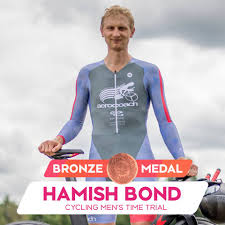
Hamish Bond’s national velodrome 4,000m pursuit record and gold medal, following his switch from time trialling (he won TT bronze at the 2018 Gold Coast Commonwealth Games) to the track, was another exciting twist in the double Olympic rowing champion’s athletic career. Previously half of New Zealand’s dominant men’s coxless pair — undefeated for eight years — the 32-year old has now decided to return to the boat in an attempt to qualify for the Tokyo Olympics.
Bond is not the only example of the successful rowing-to-cycling transition at the highest level. After winning a silver medal at the Athens 2004 Olympics and World Championship gold the following year in the women’s quadruple sculling event, Rebecca Romero won the individual pursuit cycling title at the Beijing Games in 2008.
With rowing events always taking place during the first week of the Olympics, rowers can spend the second week soaking up the atmosphere and enjoying other sports as spectators. It was here Romero was reintroduced to cycling. “The atmosphere in the velodrome was wild,” she recalls watching Bradley Wiggins race in 2004. “A contact of my [now] husband suggested I would be good at the pursuit.”
What happened next?
“Following the 2005 rowing World Championships, I was out of the boat with a long-standing back injury, and I’d fallen out of love with the sport so I made the decision to leave rowing.”
British Cycling got wind of Romero’s interest in track cycling, and the coach tasked with developing a women’s squad for the Beijing Games called her and invited her to Manchester to get tested — the rest is history.
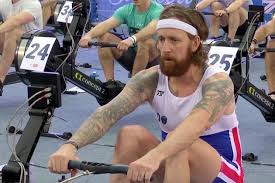
Other talent transfers include Olympic silver medallists Chris Bartley and Katie Greaves who ride for the Athlete Services Test Team; Rosamund Bradbury who sculled at the London 2012 Olympics and recently won the inaugural British Cycling Zwift eRacing Championships (and her brother Edmund, who rowed at Cambridge, now rides for JLT-Condor). An honorary mention too, to Cycling Weekly’s own Michael Hutchinson, who competed as a lightweight rower while studying. Some coaches have also made the crossover, with Team Sky coach Tim Kerrison competing and coaching rowing in his pre-cycling days. Of course, we can’t ignore the high-profile attempt by Wiggins to make the switch: he finished 21st at the 2017 British Rowing Indoor Championships. However, Wiggins abandoned the idea of rowing in Tokyo, citing other commitments.
All of this evidence points towards the possibility that rowing is a good background for a cyclist — and the follow-on suggestion that it might be an effective cross-training activity. Are there lessons that cyclists can learn from rowing? And could adding rowing to your training help improve your cycling?
Why do rowers make good riders? First up, physiology. Rowing is classified as a strength-endurance sport, and rowers, like cyclists, possess some of the highest aerobic capacities in elite sport. Absolute VO2max values as high as seven litres per minute are not unusual. Adjusted for weight, the values are less impressive, naturally — rowers are relatively heavy. Being heavier doesn’t much matter in rowing — you’re fighting the drag of water, not gravity. Lightweight rowers with VO2max values in close to 80ml/kg/min are not uncommon. The high-volume nature of training to improve aerobic capacity prepares rowers well for the rigours of cycling.
Having to overcome water resistance, and needing the ability to ‘change gear’ during a race, rowers must be powerful. Whoever can complete 240 power-clean repetitions with the most weight will win. This highlights the high-strength demands of the sport. Training for track cycling is similar — with time spent in the gym alongside high mileage on the road and intensity work on the track.
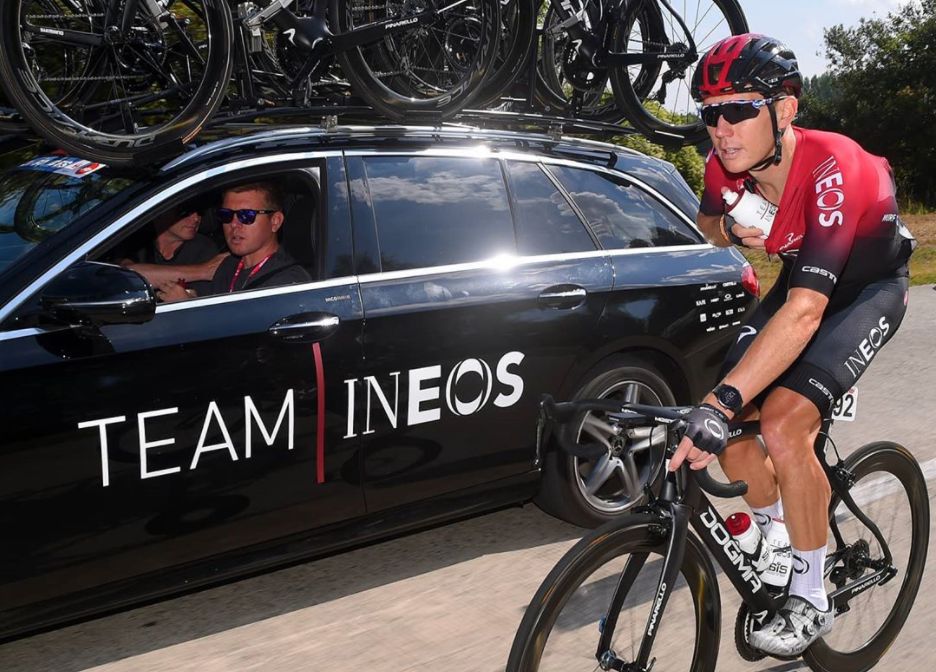
Only lightweight rowers have a realistic chance of making a successful switch to road cycling. With a maximum weight of 70kg for men and 57kg for women, these athletes are trained to produce high power outputs from relatively low body weight. Australian Cameron Wurf rowed lightweight at Athens 2004 before riding for the Cannondale road team, then switching to triathlon [and spend the past season riding with Team Ineos]. Chris Bartley retired from rowing in 2016, having won silver at London 2012 in the Lightweight Men’s coxless four — and last year he finished second in the British 25-mile TT championships.
Development and technique
The main reason why rowers find the switch to cycling more straightforward than vice versa is the technical demands of the sport. I mentioned the 240-repetition power-clean demand, but that was too simple. Imagine having to execute that set of repetitions on the deck of a wobbling boat, balancing a loaded tea tray on either end of the weights bar, synchronised with up to seven team-mates. Balance, timing, and ‘feel’, among other factors, require several years of dedicated practice — but can be picked up surprisingly quickly.
Rowing has a unique development pathway: while many rowers learn at school or as youths within the club system, many — including several Olympic champions — came to the sport as adults, taking up the sport at university. Double Olympic champion Helen Glover started rowing in 2008 aged 22 and in 2012 became one of the first British women to win an Olympic rowing gold medal. Glover competed at football, hockey and cross-country running before rowing but was considered highly ‘coachable’ and ‘trainable’ in her early rowing days.
Romero likewise competed in several different sports before finding rowing. A varied, multi-skilled background may make it possible for rowers to quickly apply their fitness to a new sport. Cyclists tend to be purists, spending many years solely riding their bikes. Rowers seem to be better equipped to transfer their skills.
Rowing training at elite level is very different from cycling training. Cycling is low-impact and a low-force/high-cadence exercise, so high-volume training is essential. Rowers have to overcome greater resistance in water, absorbed by the back, ribs and forearms. While textbook form and technique will reduce the risk of injury, fatigue and loss of form are hazardous. Hence, rowers rarely train for longer than two hours (including the occasional rest). Rowing training is supplemented with non-specific cross training — and cycling is the number one choice. Many national programmes include a weekly low-intensity long bike ride and winter training camps.
Can rowing boost cycling?
The successful transition of rowers into track cycling suggests that rowing training may have some tricks to offer to cyclists. Despite the relatively short event distance and times, rowing training has evolved to comprise high volumes of low-intensity training, combined with short, sharp intensity, roughly following an 80:20 polarised intensity distribution. International-level rowers train approximately 20-25 hours per week and clock 5,000-6,000km per season. Over the course of a four-year Olympiad, this equates to approximately 7,600 strokes in training for every single stroke of an Olympic final!
The unavoidably flat nature of lakes and rivers is comparable to the velodrome: it is consistent, and effort can be precisely measured (weather conditions aside). Rowers, therefore, programme training sessions with clear single training zone targets. Long steady-state rowing or ergometer sessions are the norm in international squads, with a tight range of intensity based on heart rate or blood lactate responses.
Whereas cyclists often include multiple efforts of different zones of work within a single training ride, rowing programmes timetable up to four shorter
In-your-face stats: there’s nowhere to hide on the indoor rower sessions in a day (including resistance training and core stability). The intensity-based ‘race-preparation’ sessions include isolated efforts to ensure quality.
The strength-endurance demands within rowing performance requires athletes to complete up to three weight training sessions per week, particularly during the winter months. Making improvements in strength and power alongside endurance is difficult, owing to the ‘interference effect’, where gains in strength are lessened by endurance work. Rowing coaches alleviate this by programming resistance training as the final session of a given day, to maximise strength adaptations.
Correct nutrition helps to maximise the effect of such strength training with emphasis placed on protein intake before, during and after such sessions. While strength training for track cycling is well established, and its use for road athletes is increasing, most cyclists would benefit from more weight training to improve their economy, with corresponding improvements in nutrition. Rowers are famous for their high-calorie intake. While macronutrient status has little effect on a six- to eight-minute race, meeting the demands of high-volume preparation means consuming up to 6,000kcal per day. As covered in these pages, many cyclists under-fuel in an attempt to lose weight and stay lean, putting their bone health at risk. Core stability is also critical to maintaining good form and effective rowing. Rowing places high force through the trunk, and common injuries include lumbar spine and rib problems, often caused by poor stability. Producing power on a bike requires a stable base too, so this is another way in which cyclists could benefit from training more like rowers.
As we have seen, rowers tend to switch quite easily to cycling because they’ve already been used to cycling as a cross-training activity. Cross-training is highly valued in many endurance sports but is often neglected in cycling. Of course, cycling is low-impact and relatively non-intense, so cross-training might not seem vital, but mixing things up can have a powerful effect.
Will doing some rowing help your riding?
It’s tempting to keep your training specific and only ever train on the bike — but you might be missing out with many clubs offering taster sessions. The technical nature of the sport takes time to develop, and it is difficult to register meaningful physical training during this time. A quicker and more convenient solution is indoor rowing. The stability and reduced technical demands mean you are quickly rewarded for your efforts and, in short, yes — there may be some advantages to including some rowing in your training programme.
Rowing is a whole-body exercise, so with correct technique, your legs, trunk and arms are subjected to an aerobic training stimulus. The quads, glutes and hamstrings should contribute the most to each stroke. If your training is mostly cycling, there is no harm in taking some of the pressure off the well-used muscle groups and involving the upper body too. Keeping the resistance low will allow more of a low-force/high-cadence approach, targeting the cardiovascular system rather than strength.
Dr Nicky Keay, who has published several studies investigating bone density in athletes, believes rowing is an excellent spine-loading exercise for those at risk of low bone density, whether through past under-fuelling or the lack of weight-bearing from cycling alone.
As previously mentioned, rowers need a strong and stable core, and good rowing drills and sequencing should enable you to sit stronger on your saddle too. It is easy to lose shape, but with a constant reminder of your split and effort on the screen on a rowing machine, the influence of technique on speed is clear. You can work hard, but a weak position will mean you leak power and quickly slow down.
Finally, rowing provides an experience that cycling cannot: a level of teamwork rarely called for in cycling. I am told the feeling of team cohesion and rhythm when you are part of a crew moving a single hull in perfect synchronicity is unbeatable. Like a team time trial without the option of losing a man, the whole really is greater than the sum of its parts.
This feature originally appeared in the print edition of Cycling Weekly. https://www.cyclingweekly.com/news/latest-news/why-do-so-many-elite-cyclists-have-a-background-in-rowing-486088
-

Podcast episode – Metrics I use to track & manage my rowing training for performance
In this episode I cover the metrics that I track during a rowing season, to monitor and manage. This episode ought to be useful for anyone seeking to understand what training metrics and devices are best to improve their performance in rowing.
-
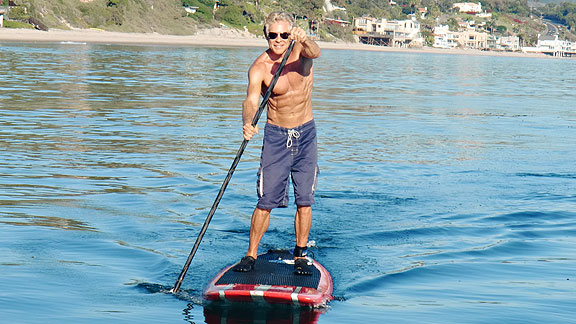
Recovery Techniques For Athletes (Masters Rowers)
Original article written by Dr Shona L Halson, Department of Physiology, Australian Institute of Sport, and re-posted with permission.
Image, Mark Sisson 2020.
High performance sport and the importance of successful performances have led athletes and coaches to continually seek any advantage or edge that may improve performance. It follows that the rate and quality of recovery is extremely important for the high performance athlete and that optimal recovery may provide numerous benefits during repetitive high-level training and competition. Therefore, investigating different recovery interventions and their effect on fatigue, muscle injury, recovery and performance is important.
Recovery aims to restore physiological and psychological processes, so that the athlete can compete or train again at an appropriate level. Recovery from training and competition is complex and involves numerous factors. It is also typically dependent on the nature of the exercise performed and any other outside stressors that the athlete may be exposed to. Athletic performance is affected by numerous factors and therefore, adequate recovery should also consider such factors.
METHODS TO ENHANCE RECOVERY
There are a number of popular methods used by athletes to enhance recovery. Their use will depend on the type of activity performed, the time until the next training session or event, and equipment and/ or personnel available. Some of the most popular recovery techniques for athletes include:
- sleep,
- hydrotherapy,
- active recovery,
- stretching,
- compression garments,
- massage and
- nutrition.
SLEEP
Background
Although the function of sleep is not fully understood, it is generally accepted that it serves to recover from previous wakefulness and/or prepare for functioning in the subsequent wake period. An individual’s recent sleep history therefore has a marked impact on their daytime functioning. Restricting sleep to less than 6 hours per night for four or more consecutive nights has been shown to impair cognitive performance and mood, disturb glucose metabolism, appetite regulation and immune function. This type of evidence has led to the recommendation that adults should obtain 8 hours of sleep per night.
While there are considerable data available related to the amount of sleep obtained by adults in the general population, there are few published data related to the amount of sleep obtained by elite athletes.
Sleep deprivation
There are a limited number of studies which have examined the effects of sleep deprivation on athletic performance. From the available data it appears that several phenomena exist. Firstly, sleep deprivation must be greater than 30 hours (one complete night of no sleep and remaining awake into the afternoon) to have an impact on anaerobic performance. Secondly, aerobic performance may be decreased after only 24 hours and thirdly, sustained or repeated bouts of exercise are affected to a greater degree than one-off maximal efforts.
The mechanism behind reduced performance following prolonged sustained sleep deprivation is not clear, however it has been suggested that an increased perception of effort is one potential cause. While the above studies provide some insight into the relationship between sleep deprivation and performance, most athletes are more likely to experience acute bouts of partial sleep deprivation where sleep is reduced for several hours on consecutive nights.
Partial sleep deprivation
Only a small number of studies have examined the effect of partial sleep deprivation on athletic performance. From the available research it appears that sub- maximal prolonged tasks may be more affected than maximal efforts particularly after the first two nights of partial sleep deprivation.
Effects of sleep extension and napping
Another means of examining the effect of sleep on performance is to extend the amount of sleep an athlete receives and determine the effects on subsequent performance. Information from the small number of studies suggests that increasing the amount of sleep an athlete receives may significantly enhance performance.
Athletes suffering from some degree of sleep loss may benefit from a brief nap, particularly if a training session is to be completed in the afternoon or evening. Naps can markedly reduce sleepiness and can be beneficial when learning skills, strategy or tactics in sleep deprived individuals. Napping may be beneficial for athletes who have to routinely wake early for training or competition and for athletes who are experiencing sleep deprivation.
Habitual sleep duration
According to a 2005 Gallup poll in the USA, the average self-reported sleep duration of healthy individuals is 6.8 hours on weekdays and 7.4 hours on weekends (National Sleep Foundation, 2006). However, the sleep habits of elite athletes have only recently been investigated. Leeder et al4 compared the sleep habits of 47 elite athletes from Olympic sports using actigraphy over a 4-day period to that of age and gender-matched non-sporting controls. The athlete group had a total time in bed of 8:36 hour:minutes, compared to 8:07 in the control group. Despite the longer time in bed, the athlete group had a longer sleep latency (time to fall asleep) (18.2 minutes vs 5.0 minutes), a lower sleep efficiency (estimate of sleep quality) than controls (80.6 vs 88.7%), resulting in a similar time asleep (6:55 vs 7:11 hour:minutes). The results demonstrated that while athletes had a comparable quantity of sleep to controls, significant differences were observed in the quality of sleep between the two groups.
While the above data was obtained during a period of normal training without competition, athletes may experience disturbed sleep prior to important competition or games. Erlacher et al administered a questionnaire to German athletes to assess possible sleep disturbances prior to competition. Of these athletes, 66% (416) reported that they slept worse than normal at least once prior to an important competition. Of these 416 athletes, 80% reported problems falling asleep, 43% reported waking up early in the morning and 32% reported waking up at night. Factors such as thoughts about competition (77%), nervousness about competition (60%), unusual surroundings (29%) and noise in the room (17%) were identified as reasons for poor sleep. Therefore it appears that sleep disturbances in athletes can occur at two time points:
- prior to important competitions and
- during normal training.
This sleep disruption during normal training may be due to a poor routine as a consequence of early training sessions, poor sleep habits (i.e. watching television in bed), nocturnal waking to use the bathroom, caffeine use and excessive thinking/worrying/planning. While not documented in the literature, anecdotal evidence also suggests that athletes such as footballers who compete at night also have significant difficulties falling asleep post-competition. Athletes should focus on utilising good sleep hygiene to maximise sleep.
Strategies for good sleep include:
- The bedroom should be cool, dark and quiet. Eye masks and ear plugs can be useful, especially during travel.
- Create a good sleep routine by going to bed at the same time and waking up at the same time.
- Avoid watching television in bed, using the computer in bed and avoid watching the clock.
- Avoid caffeine approximately 4 to 5 hours prior to sleep (this may vary between individuals).
- Do not go to bed after consuming too much fluid as it may result in waking up to use the bathroom.
- Napping can be useful, however generally naps should be kept to less than 1 hour and not too close to bedtime as it may interfere with sleep.
HYDROTHERAPY
Although hydrotherapy is widely incorporated into post-exercise recovery regimens, information regarding these interventions is largely anecdotal. The human body responds to water immersion with changes in the heart, peripheral resistance and blood flow, as well as skin, core and muscle temperature alterations. These changes in blood flow and temperature responses may have an effect on inflammation, immune function, muscle soreness and perception of fatigue.
Various forms of water immersion are becoming increasingly popular with elite athletes. While athletes have been using hydrotherapy for a number of years, we are now beginning to see increased research into water immersion, recovery and performance. The most common forms of water immersion are cold water immersion (CWI), hot water immersion (HWI) and contrast water therapy (CWT), where the athlete alternates between hot and cold water immersion.
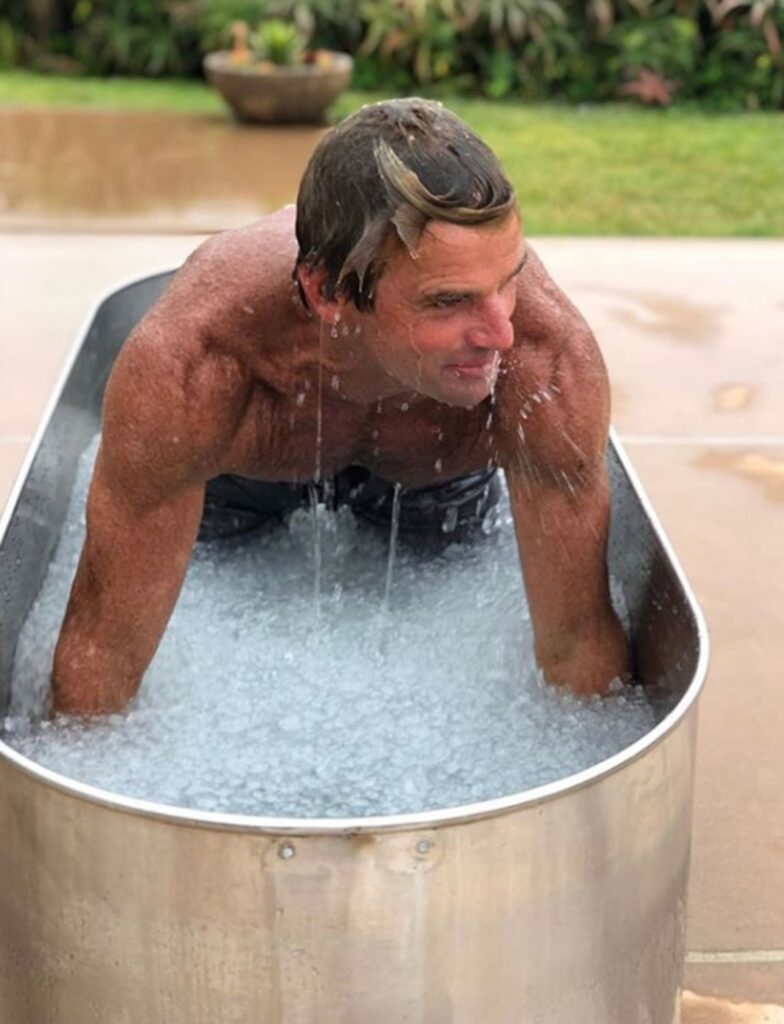
Laird Hamilton in an ice bath The effects of three hydrotherapy interventions on next day performance recovery following strenuous training was investigated on 12 male cyclists who completed four experimental trials differing only in recovery intervention: CWI, HWI, CWT or passive recovery. After completing each exercise session, participants performed one of the four recovery interventions (in a randomised crossover design). Sprint and time trial performance was enhanced across the 5-day trial following both CWI and CWT when compared to HWI and passive recovery.
The same authors also examined different water immersion temperatures (15 minutes of intermittent immersion in 10°C, 15°C, 20°C, continuous immersion in 20°C water, and active recovery). Two 30-minute cycling bouts performed in the heat were separated by 60 minutes, with one of the five recovery strategies performed immediately after the first exercise bout. Each trial was separated by 7-days. All water immersion protocols improved subsequent cycling performance when compared to active recovery, demonstrating the benefits of cold water immersion in the heat.
In a study investigating a dose-response effect of CWT improved cycling time trial and sprint performance was observed following 6-min of CWT (hot water: 38.4°C; cold water: 14.6°C; 1 minute rotations) when compared with control (passive rest). Twelve minutes of CWI also improved sprint total work and peak power. There was no improvement in repeat performance with 18-minutes of CWT, indicating that a dose-response relationship does not exist under these conditions. The same research group repeated the above study with trained runners using identical water immersion times and temperatures and the same time between exercise bouts (2 hours). The results of this study again did not show a dose-response relationship between running performance and CWT; however, CWT for 6-minutes improved performance, whereas 12 and 18-minutes did not. Importantly, this study was performed outdoors in an environmental temperature of 14.9°C and the increased duration of cold water exposure may have reduced the potential benefits of longer water immersion durations. Therefore, benefits of longer duration CWT may potentially occur in warmer environments.
From available literature it appears that hydrotherapy may be beneficial for athletes, particularly those performing high intensity efforts. Specifically, CWI and CWT appear more beneficial than HWI for recovery.
ACTIVE RECOVERY
Active recovery generally consists of aerobic exercise which can be performed using different modes such as cycling, jogging, aqua jogging or swimming. Active recovery is often thought to be better for recovery than passive recovery due to enhanced blood flow to the exercised area and clearance of lactate and other metabolic waste products via increased oxygen delivery.
It is not clear whether there are benefits of active recovery between training sessions or following competition in various sports. No detrimental effects on performance have been reported following active recovery (when compared to a passive recovery) between training sessions, with a small amount of literature reporting enhanced performance. Many researchers, however, use the removal of lactate as their primary indicator of recovery and this may not be a valid indicator of enhanced recovery and ability to repeat performance at a previous level. The role of active recovery in reducing lactate concentrations and reducing muscle soreness after exercise may be an important factor for athletes. This is anecdotally reported to be one of the most common forms of recovery and utilised by the majority of athletes for these reasons.
STRETCHING
Although stretching is anecdotally one of the most used recovery strategies, there is very little literature examining the effects of stretching as a recovery method. There have been mixed reports regarding the benefit of stretching as a recovery strategy. However, two separate reviews of recovery methods concluded that there was no benefit for stretching as a recovery modality. It is important to note that to date, there have not been any detrimental effects on performance associated with post-exercise stretching.
COMPRESSION GARMENTS
Many recovery strategies for elite athletes are based on medical equipment or therapies used in patients. Compression clothing is one of these strategies. It has traditionally been used to treat various lymphatic and circulatory conditions. Compression garments are thought to improve venous return through application of graduated compression to the limbs from proximal to distal. The external pressure created may reduce the intramuscular space available for swelling and promote stable alignment of muscle fibres, attenuating the inflammatory response and reducing muscle soreness. While there is currently minimal research into compression garments and recovery for endurance athletes, the small amount of data suggests that they may be beneficial and do not appear to be harmful to the recovery process.
MASSAGE
Massage is a widely used recovery strategy among athletes. However, apart from perceived benefits of massage on muscle soreness, little data has shown positive effects on repeated exercise performance. Furthermore, increased blood flow is one of the main mechanisms proposed to improve recovery (thus improving clearance of metabolic waste products). Several reviews of the effects of massage have concluded that while massage is beneficial in improving psychological aspects of recovery, most evidence does not support massage as a modality to improve recovery of functional performance. However, as massage may have potential benefits for injury prevention and management, it should still be incorporated in an athlete’s training programme for reasons other than recovery.
SUMMARY
As recovery research is a relatively new area for scientists, many of the current recommendations are general guidelines only. It is important that athletes experiment with a variety of strategies and approaches to identify the recovery options that work best for each individual. However, it is known that optimal recovery from training and competition may provide numerous benefits for athlete performance. Recovery strategies such as hydrotherapy, low-intensity active recovery, massage, compression garments, stretching or various combinations of these methods may have merit as recovery-enhancing strategies. Importance should also be placed on optimal post-exercise nutrition and adequate sleep to maximise recovery and reduce fatigue from exercise.
Dr Shona L Halson, Department of Physiology, Australian Institute of Sport.
-

How Alcohol Impacts Your Sleep
One of the things I’ve been experimenting with, over the last 8-weeks, is measuring and tracking my Heart Rate Variability (HRV) and Morning Resting Heart Rate (MRHR). I’m doing this to understand how I am recovering from training and day-to-day stress. I’ve been really surprised at the impact of a couple of glasses of wine with dinner, both on my sleep, and my recovery. In doing some research, I now know why. Sharing some high level material to provide you with some insights.
‘How Alcohol Impacts Your Sleep’ originally posted on the Oura Blog, 20 February 2020.
Having a glass of wine or a nightcap before bed is a common nighttime ritual. In fact, approximately 20% of the U.S. adult population drinks alcohol to help them fall asleep.
As you sink into bed and doze off with that pleasant buzz of alcohol, it’s tempting to think you’ve unlocked the secret to falling asleep.
But this is one shortcut you may want to avoid because while you may fall asleep quickly, the quality of your sleep suffers under the influence. Alcohol affects multiple processes in your body that prevent you from getting high-quality sleep.
How Alcohol Impacts Your Sleep
Alcohol impacts several of your body’s sleep systems. Most notably it:
- Decreases melatonin: Alcohol inhibits the release of melatonin, your body’s primary sleep signal.
- Reduces growth hormone: Alcohol reduces growth hormone release, which is crucial for your body’s nighttime repairs.
- Increases stress hormones: Alcohol increases your body’s levels of cortisol, a stress hormone that increases your resting heart rate and generally stimulates the body—making it more likely you’ll wake up during the night.
- Disrupts your circadian rhythm: Alcohol can impact your brain and liver’s internal clocks, causing your body to be misaligned with its natural sleep cycle.
- Increases urination: Alcohol is a diuretic. Your body typically halts your bladder function at night; however, alcohol may interrupt your sleep for extra trips to the bathroom.
- Aggravates breathing problems: Alcohol causes your muscles to relax, including your throat. This relaxation can make you more prone to snoring and can worsen sleep-related breathing problems like sleep apnea.
Look Out for These Patterns
Wondering if all this applies to you? Take notice next time you have a drink with friends or a nightcap on your own.
Watch for these patterns in your sleep data:
- Better sleep latency: Alcohol’s sedative effect reduces the time it takes for you to fall asleep by overriding your body’s natural, gradual transition to sleep.
- More deep sleep, less total sleep: Alcohol may increase your deep sleep on the first night of drinking; however, it decreases your total hours of sleep.
- Delayed REM, less REM: Alcohol significantly delays your first REM sleep cycle. Moreover, because alcohol also decreases your total sleep time and REM is weighted later in your sleep cycles, alcohol leads to fewer total minutes in REM.
- Higher restlessness: Alcohol impacts your bladder, leading to more bathroom trips and more awakenings.
- More fragmented sleep: Alcohol is more likely to disrupt the second half of your night, often decreasing total time spent asleep and disrupting your flow through sleep stages.

Oura website (2020) Given that you’re not sleeping as well, you’re likely to suffer the next day with poorer reaction times, decreased concentration, compromised memory, and increased irritability.
This, along with that late-night piece of greasy pizza you might have had—which also interferes with sleep—can compound to make your next day tough.
Things to Keep in Mind
Does this mean you have to give up drinking altogether? Not necessarily.
Some people are more susceptible to alcohol than others, so compare your results to an average night’s sleep without alcohol to see what changes.
Try out these tips to soften alcohol’s impact on your sleep:
- End early: Allow your body at least 3 hours before bed to metabolize the alcohol from your system. Keep in mind this varies by your weight, gender, and consumption.
- Hydrate often: Having a glass of water along with every drink helps your system flush out alcohol.
- Avoid mixers: Beverages that have sugar or caffeine in the mix are more likely to stimulate your internal clocks when you’re trying to wind down.
References
- Roehrs, Timothy, and Thomas Roth. “Insomnia pharmacotherapy.” Neurotherapeutics 9, no. 4 (2012): 728-738.
- Rupp, Tracy L., Christine Acebo, and Mary A. Carskadon. “Evening alcohol suppresses salivary melatonin in young adults.” Chronobiology International 24, no. 3 (2007): 463-470. (link)
- Ekman, A. C., O. L. L. I. Vakkuri, M. I. K. A. Ekman, J. Leppäluoto, A. Ruokonen, and M. Knip. “Ethanol decreases nocturnal plasma levels of thyrotropin and growth hormone but not those of thyroid hormones or prolactin in man.” The Journal of Clinical Endocrinology & Metabolism 81, no. 7 (1996): 2627-2632. (link)
- Spencer, Robert L., and Kent E. Hutchison. “Alcohol, aging, and the stress response.” Alcohol Research and Health 23, no. 4 (1999): 272-283. (link)
- Udoh, Uduak, Jennifer Valcin, Karen Gamble, and Shannon Bailey. “The molecular circadian clock and alcohol-induced liver injury.” Biomolecules 5, no. 4 (2015): 2504-2537.
- Ebrahim, Irshaad O., Colin M. Shapiro, Adrian J. Williams, and Peter B. Fenwick. “Alcohol and sleep I: effects on normal sleep.” Alcoholism: Clinical and Experimental Research 37, no. 4 (2013): 539-549. (link)
- Prinz, Patricia N., Timothy A. Roehrs, Peter P. Vitaliano, Markku Linnoila, and Elliot D. Weitzman. “Effect of alcohol on sleep and nighttime plasma growth hormone and cortisol concentrations.” The Journal of Clinical Endocrinology & Metabolism 51, no. 4 (1980): 759-764. (link)