
Faster Membership
The rest of this one is for members.
This article, both twelve-week training plans, and the full library of protocols and calculators are part of Faster Membership. CHF 129 for the year.

Faster Membership
The rest of this one is for members.
This article, both twelve-week training plans, and the full library of protocols and calculators are part of Faster Membership. CHF 129 for the year.

I’ve been asked by a few readers what supplements I take, and when I considered how to answer this question, it depends on my training and general needs. I start with a food first policy. I make sure my nutrition plan is designed to meet the energy, nutrition, and repair demands the training imposes on my body. When I’m eating enough of the right foods to meet my training loads, I’m generally getting enough macro nutrients, vitamins, minerals, and antioxidants, to maximise both performance and health. Yet sometimes I may not be getting enough nutrients, and taking supplements often helps. Below is an overview of what I do, based on different situations. It’s based on trial and error over the years and with advice from experts in sports science and nutrition.
Twice a day I take supplements from doTERRA Lifelong Vitality Pack including Omega Complex, Microplex VMz Food Nutrient Complex and Alpha CRS+ Cellular Vitality Complex. The pack of three, are full of essential nutrients, metabolism benefits, and powerful antioxidants designed to help promote energy, health, and lifelong vitality. I feel better when I take them twice a day, and they are my ‘insurance’ in case I miss out on any essential vitamins and minerals in my normal meals.

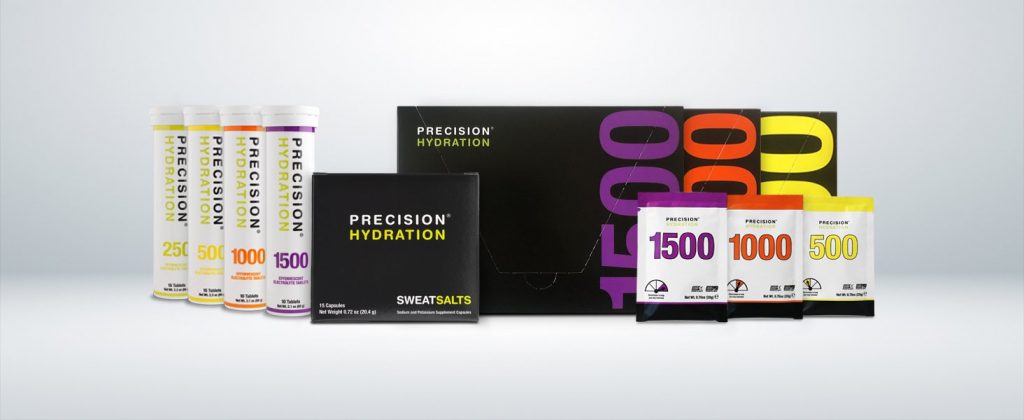
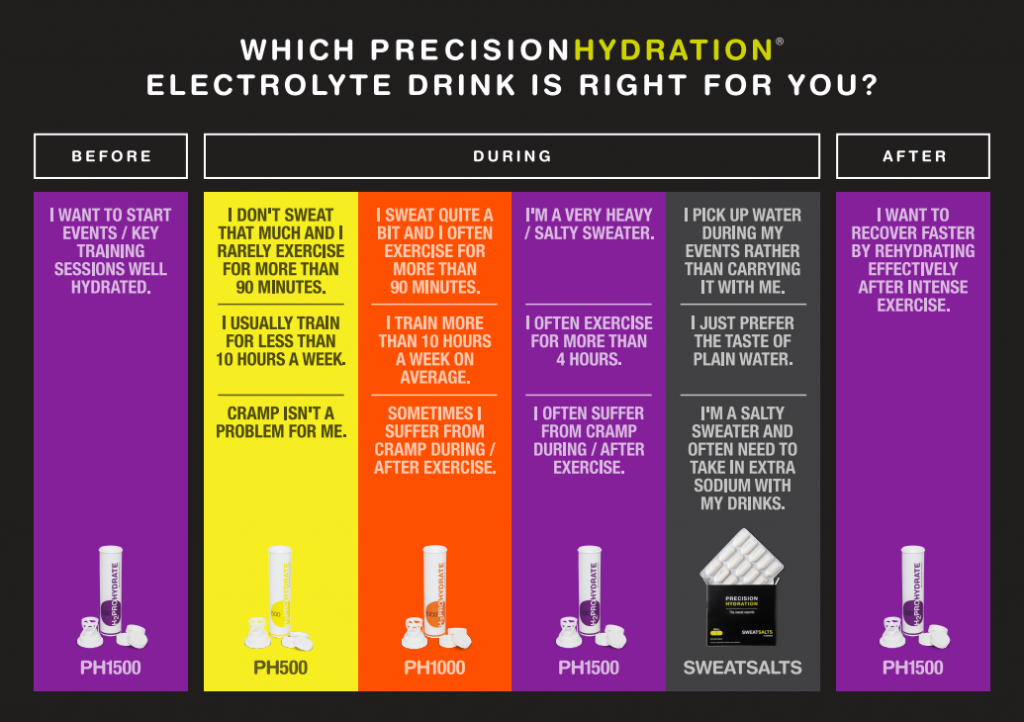
For low intensity aerobic sessions less than 2-hours, I drink a 750 ml bottle of water with a salty hydration drink like PH 1500 about 1 hour before. Only water during the session. After the session I normally have breakfast and my daily doTERRA supplements. Please note that I use the salty 1500 mix from PH. This was determined after taking the PH sweat test online.
For low intensity aerobic sessions more than 2-hours, I drink a 750 ml bottle of water with a hydration supplement like Sponsor Endurance about 1 hour before.
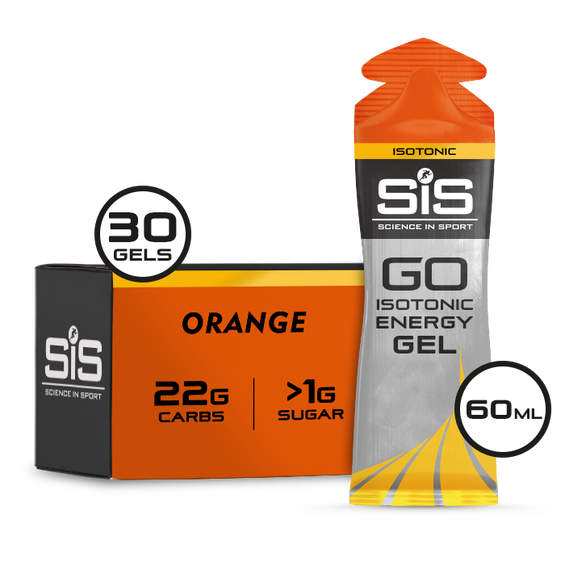
Water in the first hour and then alternate between a carbohydrate drink and water for the ride or row. I target at least 60-80 grams of carbohydrate each hour, with a gel or bar from Science in Sport or Sponser.

After the session, and within 30-minutes, I take on a protein carbohydrate recovery drink that has a good mix of carbs, protein and Branch Chain Amino Acids (BCCA). I use the Swiss brand, Sponser’s Recovery drink, or equivalent from Science in Sport. I also like to down a glass of water with L-carnitine mixed in. L-carnitine is a vitamin-like nutrient consisting of the two amino acids lysine and methionine. L-carnitine claims to have an important function in fat metabolism, and I find it helps with regeneration.


For high intensity anaerobic sessions, I eat some toast with a banana and honey, or another snack that has some good carbs to fuel the effort. If it’s a long session, then I take a 750 ml carbohydrate drink to sip between efforts, and potentially a gel if the session is over 1 hour. After a HIIT session, and within 30-minutes, I take on a protein carbohydrate recovery drink (see above).
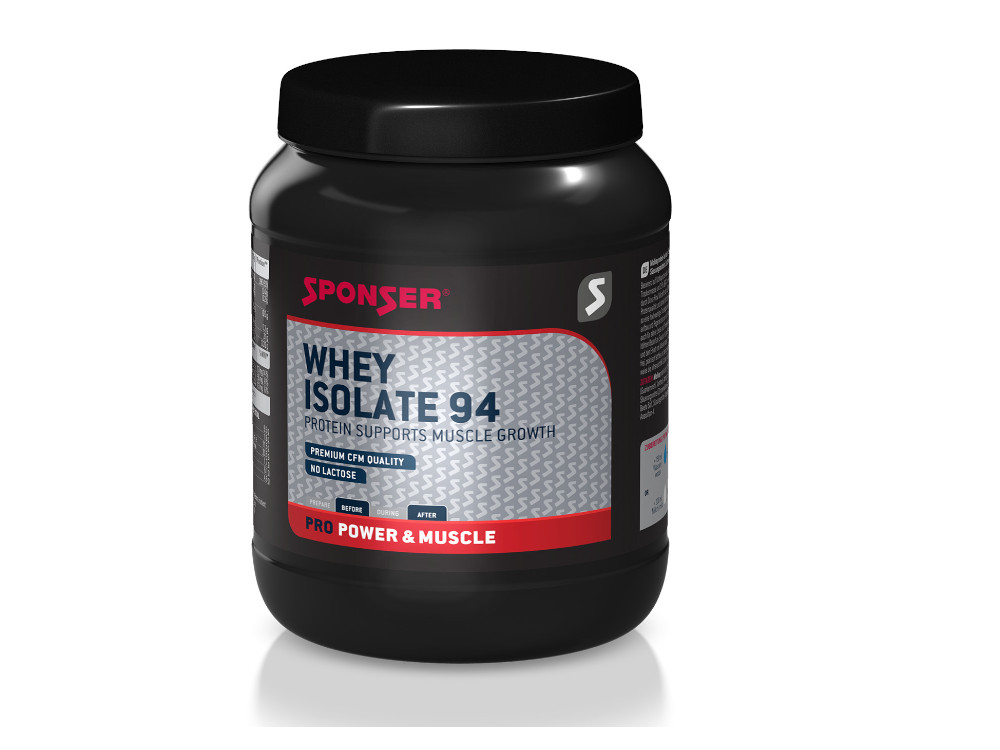
Nothing special before a weights session. I like to be well hydrated and generally weights are at the end of the day, and after a small snack in the late afternoon. Afterwards I pay attention to getting enough protein. If I’m eating a good protein rich meal soon after the session (within 30-minutes) I don’t need to take any supplements, yet generally I down a protein drink. I’m currently using the Swiss brand, Sponser’s Whey Isolate 94 protein powder mixed with water.

If I have strained a muscle, or have an impact bruise, I use doTERRA Deep Blue Rub on the area for deep muscle relief. The cream is non greasy and feels great. I also use the Deep Blue Polyphenol Complex tablets. The tablets are a combination of polyphenol extracts of frankincense, turmeric, green tea, ginger, pomegranate, and grape seed, and is designed to provide soothing support to aching muscles. The anti-inflammatory benefits of turmeric are well published, and these tablets provide a similar effect for me as a paracetamol and Ibuprofen.

Always a tricky subject this one. There are a handful of performance enhancing supplements, that have a good evidence base as safe, legal to use and effective. I have researched and mapped, the supplements and protocols used by professional sporting teams, and dialled these protocols in for rowing. I often use these supplements to enhance performance and recovery during heavy training blocks, and before major races with great effect. If you’re interested in my guide to the performance supplements I use, you can find out more by becoming a Premium Subscriber. P.S I don’t share this information in my general newsletter, as I feel this information should be reserved for those that want to invest in their performance.

Faster Membership
The rest of this one is for members.
This article, both twelve-week training plans, and the full library of protocols and calculators are part of Faster Membership. CHF 129 for the year.

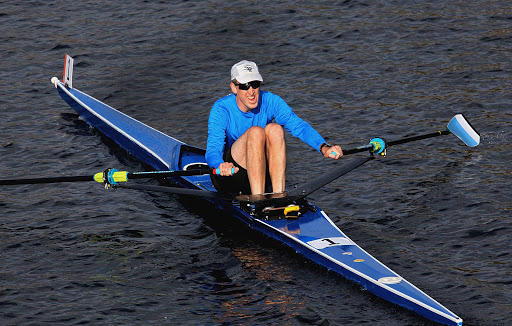
Join Greg and I, as we discuss Greg’s preparations for this years Head of The Charles Regatta. How he adapted his training through Covid-19 and what he has been experimenting with.
Greg Benning, started rowing at the University of Pennsylvania in 1980 and has been engaged in the sport ever since. Greg is the Vice-Chair of US Rowing and a multiple winner of the Head of The Charles regatta.

This episode is a recording of the exclusive Live event for the Masters Rowing Group and my newsletter subscribers. For more information and to subscribe to my newsletter, go to www.whchambers.com and subscribe.
Excited to share this interview with Adrian Cassidy. Adrian has so much experience to share from rowing and high performance. Adrian rowed for Team GB winning world Championships from junior through to elite before an accident that ended his rowing career. Adrian shares his come back story from a broken neck to a career as an international rowing coach. His experiences and insights from coaching at Cambridge University Boat Club, then British Rowing, and Rowing Ireland where he was chief coach.
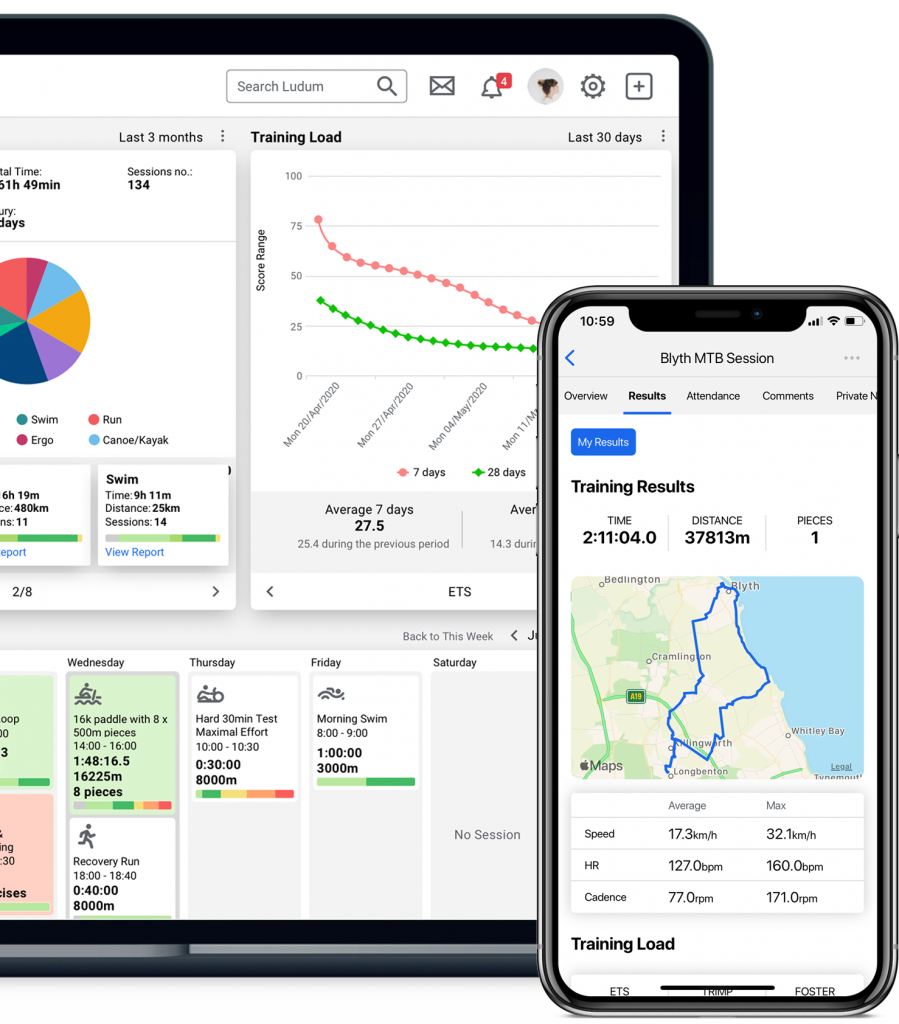
Adrian shares some wonderful stories and insights into rowing and how his passion for excellence and helping others to achieve their potential led to the creation of Ludum, specialised performance management software to make life easier for rowers and rowing coaches. As well as setting up the Rowers Conference, to help advance rowing coaches skill and coaching expertise.

Excited to share with you my latest podcast episode, where I interview the dual Olympian and 776BC co-founder Cameron McKenzie-McHarg.
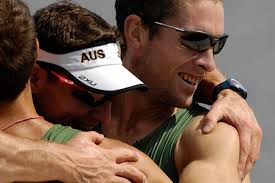

Cameron has a great story to tell. From growing up in a small country town, to discovering rowing at school. The attraction of other sports like Australian Football and being so good he was recruited by the Western Bulldogs in 1999.
Cameron returned to rowing in 2001 with the goal of representing Australia at the Olympic Games, and rowed for Victoria and Australia for over 12 years, winning multiple World Cup and World Championships medals. Cameron has also represented Australia at two Olympic Games; Beijing 2008 and London 2012, with his career highlight claiming Silver in the Men’s Four at the Beijing Olympics.
Now an entrepreneur and co-founder 776BC Cameron shares some great insights and lessons learnt from high performance sport that translate to business and life.
Instagram https://www.instagram.com/776bc/?hl=en Tag @776bc #776BC #RealAthletes
Upcoming podcast interview – Live with Adrian Cassidy – 22 Dec @ 15:00 CET

This weeks workout is aimed at those that want to improve their aerobic base. Improving your aerobic base, requires spending time exercising at or just below your aerobic threshold. For most rowers, this will be at 75% of peak heart rate.
90 minute endurance session
Focus on generating as much power and acceleration whilst getting enough recovery at the low rate to keep the heart rate at 75%. Alternate on the bike erg to break up the session. Maintain the heart rate on the bike. No bike? Do something else like a short jog outside.
This week’s workout from James Goodwin, is the kneeling overhead press with a resistance band. This will strengthen your shoulders, back and core. Can be done easily at home with a rubber band.
James is the head of performance sport for Swiss Rowing.

The workout of the week is from Anne-Marie Howald. Head junior & U23 coach for the Swiss Federation. When Ian Wright was the head coach of Switzerland, apparently the Ladder Of Death (LOD) was one of the squads favourites. Word of advice. Make sure you are well warmed up, and don’t do this every day.
This week’s S&C workout from James Goodwin, is the shoulder press. The shoulder press is one of the best exercises for strengthening your shoulders and upper back.
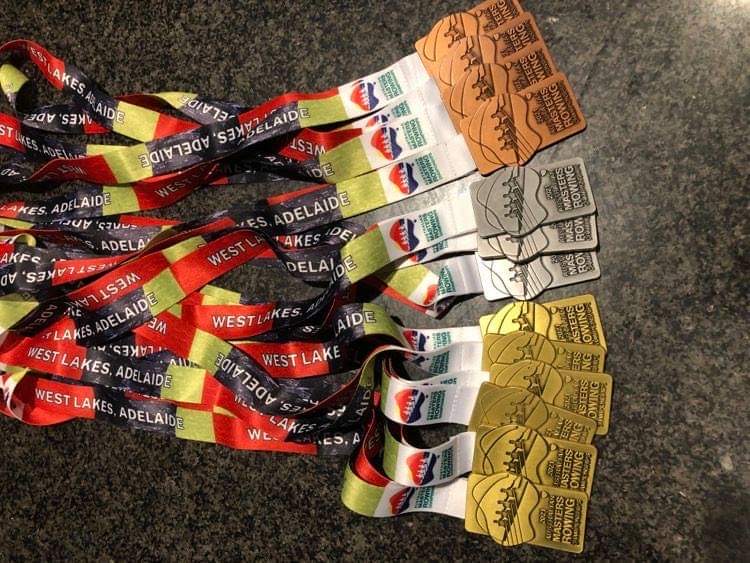
Craig is the head of rowing at Caulfield Grammar School, Victoria, Australia, and the holder of the impressive haul of Masters medals from this years Australian Masters Championships.
On the Erg. Aerobic intervals. Sets of 500m on 1 min off at T2. Rate 27-29. Do them in sets of 10 and accumulate 12-15km worth of 500s. I challenge the masters to do 1 for every year of age.
James is the head of sports performance for the Swiss Rowing Federation. In this short video, James demonstrates a real favourite of mine, the bent over row.

“Time Contracter” is 60 mins with 6 mins easy pace (e.g. UT2 and 4 mins moderate effort (UT1/AT) until the clock hits zero (so six intervals of 4 mins by the end)….If doing on the erg, during the final 2 mins of both the 6min easy and 4 mins moderate…..flick the monitor to watts and aim to keep a high stroke to stroke consistency such that every stroke is +/- 3 watts of the target value for the section….For example, if the target UT2 pace is 200 watts….then every stroke in the final 2 mins of the 6 min section should be between 197 and 203……It’s easy enough to count the number of missed target strokes …..a goal is to keep this to no more than 3 missed strokes per minute…
Charlie is the Senior Lecturer in Sport and Exercise Science and Global Partnership Lead for Faculty of Health and Life Sciences at Oxford Brooks University, and the co-author of Advanced Rowing and Indoor Rowing.
James is the head of sports performance for the Swiss Rowing Federation. In this short video, James demonstrates the goblet squat.