Excited to share this episode of the Faster Podcast, this time with Dr Charlie Simpson.
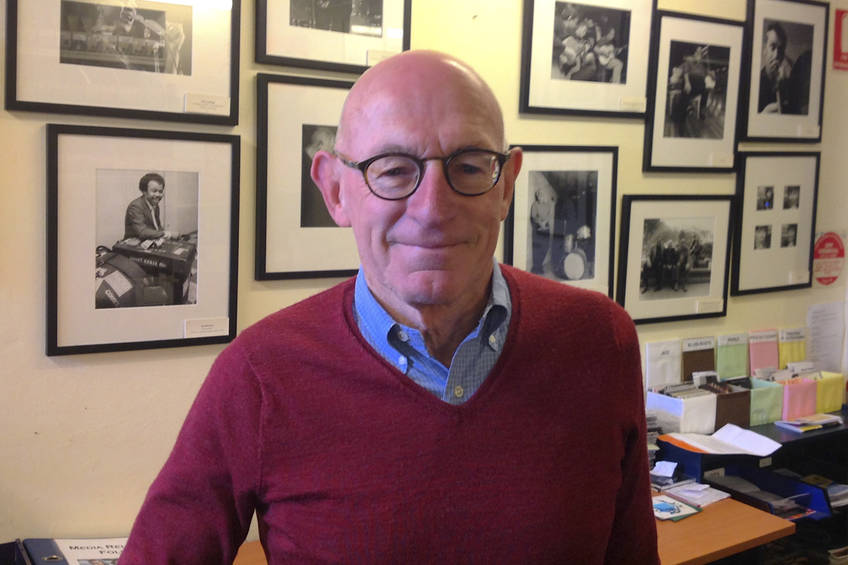
Charlie is a Senior Lecturer in Sport and Exercise Science at Oxford Brookes University and well known for his publications. The Complete Guide to Indoor Rowing and Advanced Rowing.
In this episode, Charlie and I cover the following topics and a lot more…
Defining training intensity
The holy trinity in training intensity; heart rate, RPE and power
Key training zones to pay attention to
Lactate testing
How to set up your season and week for training
Nutrition and hydration strategies
The Big 5 supplements that can make a real impact on performance
It’s a long episode (99-mins) and perfect for a long indoor endurance session.
The Complete Guide to Indoor Rowing, is the first comprehensive book to focus on this unique form of strength-endurance training. It is aimed at serious athletes, outdoor rowers and normal gym users.
Advanced Rowing , brings together a selection of leading experts in the sport of rowing, including international head coaches from New Zealand, Norway, Switzerland, and Denmark, who have all coached crews to World and Olympic medals. Distinguished club and university coaches contribute from across the United States, Great Britain, and Australia. Between them, these coaches work with the top national level athletes in their countries and specialize in preparing them to an international competitive standard.
Books recommended by Charlie
Wanted rowing coach by Brad Lewis
Assault on Lake Casitas by Brad Lewis
Thinking Fast and Slow by Daniel Kahneman
The God Delusion by Richard Dawkins
Guns, Germs and Steel by Jared Diamond
Thank you to our Faster podcast supporters: Precision Hydration, Bont Rowing, Filippi Boats and Citius Remex seat pads. These companies want to support Masters Rowers to go Faster and offer exclusive benefits to my newsletter subscribers. To gain access to exclusive bonus offers, ensure you subscribe to my newsletter.
Easy to prepare and full of natural superfoods and slow release carbohydrates to power you along. A great meal to fuel training sessions up to 90 minutes long. Enjoy.
1 ½ cups of rolled oats
1 tablespoon of chia seeds
Small handful of crushed walnuts
½ cup of blackberries & raspberries (frozen work well)
1 medium sized banana sliced
Dessert spoon of local honey
Mix together & cover with water (coconut water is a nice addition)
I’ve been asked by a few readers what supplements I take, and when I considered how to answer this question, it depends on my training and general needs. I start with a food first policy. I make sure my nutrition plan is designed to meet the energy, nutrition, and repair demands the training imposes on my body. When I’m eating enough of the right foods to meet my training loads, I’m generally getting enough macro nutrients, vitamins, minerals, and antioxidants, to maximise both performance and health. Yet sometimes I may not be getting enough nutrients, and taking supplements often helps. Below is an overview of what I do, based on different situations. It’s based on trial and error over the years and with advice from experts in sports science and nutrition.
Daily
Twice a day I take supplements from doTERRA Lifelong Vitality Pack including Omega Complex, Microplex VMz Food Nutrient Complex and Alpha CRS+ Cellular Vitality Complex. The pack of three, are full of essential nutrients, metabolism benefits, and powerful antioxidants designed to help promote energy, health, and lifelong vitality. I feel better when I take them twice a day, and they are my ‘insurance’ in case I miss out on any essential vitamins and minerals in my normal meals.
Endurance session <2 hours
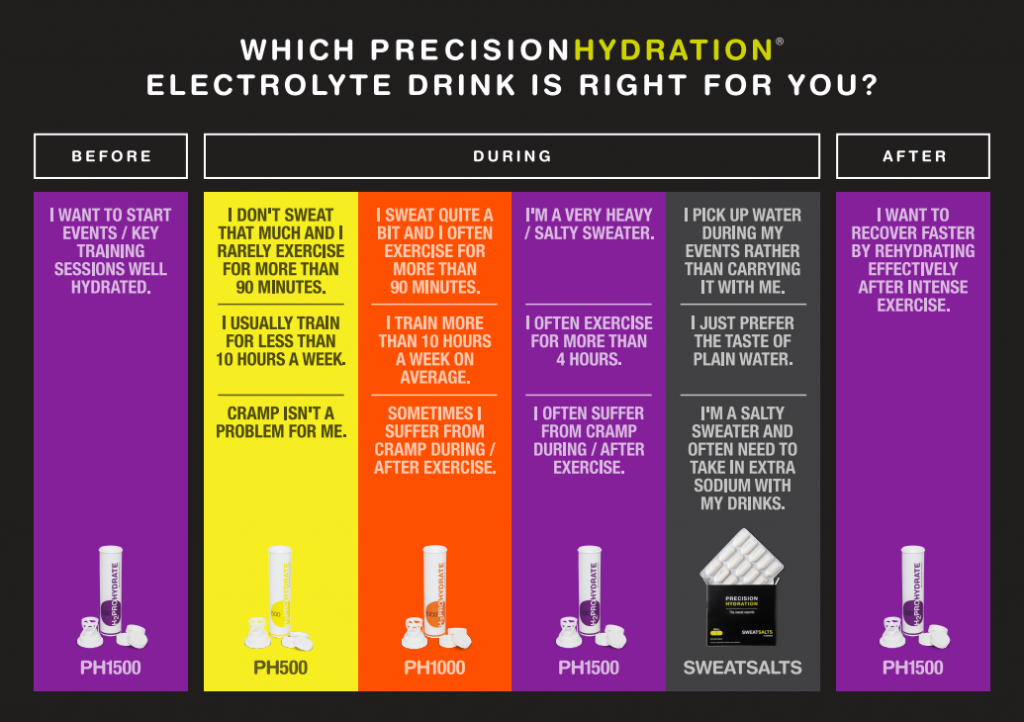
For low intensity aerobic sessions less than 2-hours, I drink a 750 ml bottle of water with a salty hydration drink like PH 1500 about 1 hour before. Only water during the session. After the session I normally have breakfast and my daily doTERRA supplements. Please note that I use the salty 1500 mix from PH. This was determined after taking the PH sweat test online.
Endurance session 2-4 hours
For low intensity aerobic sessions more than 2-hours, I drink a 750 ml bottle of water with a hydration supplement like Sponsor Endurance about 1 hour before.
Water in the first hour and then alternate between a carbohydrate drink and water for the ride or row. I target at least 60-80 grams of carbohydrate each hour, with a gel or bar from Science in Sport or Sponser.
After the session, and within 30-minutes, I take on a protein carbohydrate recovery drink that has a good mix of carbs, protein and Branch Chain Amino Acids (BCCA). I use the Swiss brand, Sponser’s Recovery drink, or equivalent from Science in Sport. I also like to down a glass of water with L-carnitine mixed in. L-carnitine is a vitamin-like nutrient consisting of the two amino acids lysine and methionine. L-carnitine claims to have an important function in fat metabolism, and I find it helps with regeneration.
High intensity interval training session (HIIT)
For high intensity anaerobic sessions, I eat some toast with a banana and honey, or another snack that has some good carbs to fuel the effort. If it’s a long session, then I take a 750 ml carbohydrate drink to sip between efforts, and potentially a gel if the session is over 1 hour. After a HIIT session, and within 30-minutes, I take on a protein carbohydrate recovery drink (see above).
Weights training
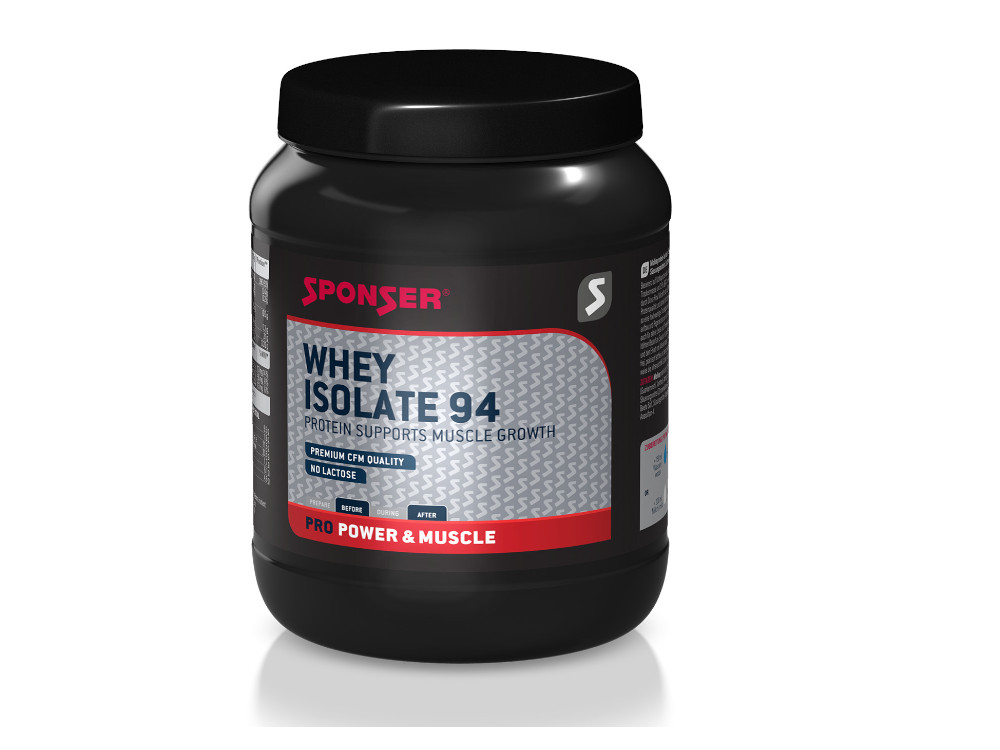
Nothing special before a weights session. I like to be well hydrated and generally weights are at the end of the day, and after a small snack in the late afternoon. Afterwards I pay attention to getting enough protein. If I’m eating a good protein rich meal soon after the session (within 30-minutes) I don’t need to take any supplements, yet generally I down a protein drink. I’m currently using the Swiss brand, Sponser’s Whey Isolate 94 protein powder mixed with water.
Pain relief
If I have strained a muscle, or have an impact bruise, I use doTERRA Deep Blue Rub on the area for deep muscle relief. The cream is non greasy and feels great. I also use the Deep Blue Polyphenol Complex tablets. The tablets are a combination of polyphenol extracts of frankincense, turmeric, green tea, ginger, pomegranate, and grape seed, and is designed to provide soothing support to aching muscles. The anti-inflammatory benefits of turmeric are well published, and these tablets provide a similar effect for me as a paracetamol and Ibuprofen.
Performance Enhancing Supplements
Always a tricky subject this one. There are a handful of performance enhancing supplements, that have a good evidence base as safe, legal to use and effective. I have researched and mapped, the supplements and protocols used by professional sporting teams, and dialled these protocols in for rowing. I often use these supplements to enhance performance and recovery during heavy training blocks, and before major races with great effect. If you’re interested in my guide to the performance supplements I use, you can find out more by becoming a Premium Subscriber. P.S I don’t share this information in my general newsletter, as I feel this information should be reserved for those that want to invest in their performance.
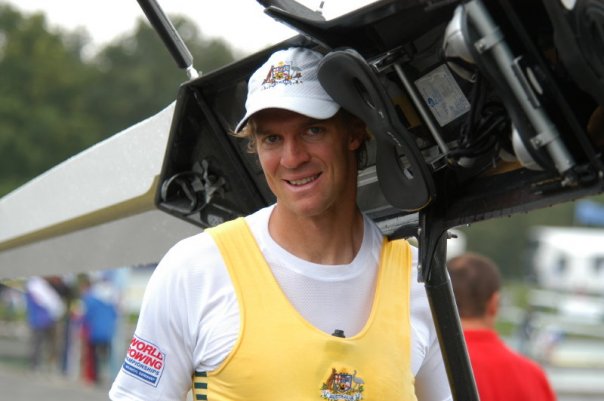
Peter (Pete) Hardcastle, is well known in Australian and World Rowing. Pete represented Australia at the Sydney, Athens and Beijing Olympic Games in different boat classes. After the olympics, Pete moved to the UK in 2008. where he coached at Dulwich College, Emanuel School and London Rowing Club, and coached the men’s four at the Coupe de la Jeunesse in 2014. In 2017, Pete joined Imperial College as the Head of Rowing and in his first season at Imperial, he coached the crew that won the Prince Albert Challenge Cup at Henley Royal Regatta.
Pete is an amazing athlete, and still continues to amaze mere mortals, with his Ironman Triathlon exploits, and marathon running. In this episode, Pete and I explore what got him into rowing, and how he progressed to the U23 World Championships and then the Elite team under 4-years. We talk about personal motivation, and challenging others to explore what is possible. We review what is really going on with some of the rapid crews we are watching today, and he shares his tips on how to get yourself ready to race as well as preparing your race mindset.
This podcast is supported by, Precision Hydration, Bont Rowing, Filippi Boats and Citius Remex seat pads. For more information about our supporters, and to gain access to exclusive bonus offers, ensure you subscribe to my newsletter.
Most will now be aware, that the 2021 Boat Races, will take place on the River Cam in Ely. After a combination of factors, including the COVID pandemic, and the closure of Hammersmith Bridge at the halfway mark of the 6,800m course, forced the organisers to take radical action. The change in venue marks a return to Ely for the first time since a series of unofficial races took place there during the Second World War. Source; Robert Treharne Jones (Dec 2020)
Although the scale of the Boat Race event, could seem small in comparison to other major sporting events held in London, the Boat Race has an important attractor effect on people through physical visitors and also through television and digital platforms. I feel we can all learn a lot from what the Boat Race Organisation, and others like Henley Royal Regatta, The Head of The Charles, and Silver Skiff regatta, are are doing to attract and inspire people to rowing. How the organisers are understanding and translating the economic benefit of regatta, as well as learning how to televise, engage and extend the reach of the event beyond Race Day itself.
The facts and figures used in this article have been gathered from multiple sources, including a detailed report titled; The Boat Race, Impact of a Single Day Major Event on a City, Arup & The Boat Race Company (October 2017). Link to the original report can be found at the bottom of this post.
The Boat Race Today
There are 250,000+ visitors each year to the river banks on Race Day, and some 7 million people watching on national television, representing 3,400 visitors and 100,000 viewers per athlete.
In comparison the London 2012 Olympic Games had 10,568 athletes, 52 million individual viewers in the UK and 2 million visitors to London for the Games – or each athlete “attracting” 190 visitors and 4,900 viewers.
As such, each rower at the Boat Race, “attracts” 20 times more visitors than Olympic athletes.
The Boat Race generates 40 percent more spend per athlete than the London Olympics.
In the spirit of sport competition, The Boat Race has always been inclusive to all visitors, with no ticketing costs to the visitor. Yet the total spend from visitors is estimated between £7 million and £8.5 million, averaging £30 per person or £100,000 per athlete.
The visitor spend generated by the London 2012 Olympic Games was about £760 million (in the UK), averaging £1,290 per person, or £72,000 per athlete. Again, the Races have a yield per rower (based on visitor spend) 40 percent higher than the London 2012 Olympic Games.
The Boat Race attracts 50,000 additional day-visitors to London.
The Race attracts 200,000 visitors living in London who would not be considered additional visitors to the local area as the vast majority of them come from one of the four adjoining boroughs along the route.
Yet it attracts over 50,000 people from outside London each year to west London.
The direct net economic impact on the local economy is estimated between £2.1 and £2.9 million.
The 50,000 day-visitors spend £1.4 to £1.7 million in the local economy. Whilst London-based visitors are not additional as such to London or the local area, they will likely be spending more than on their average Saturday day-out, due to the event and celebratory atmosphere.
The direct economic impact of The Boat Race in the local economy is estimated between £2.1 and £2.9 million, with indirect contribution reaching £2.8 to £3.7 million each year.
Multiplier Effect
The additional spend in local businesses has an indirect impact on the wider supply chain, called the ‘multiplier effect’. In this case for every £1 spent directly, it will generate £0.30 in the supply chain.
It is estimated that the total net economic benefit to the local area from The Boat Race to be between £2.8 and £3.7 million each year.
Digital Spectators
Global sport is in the process of undergoing a dramatic change in how it is presented, followed and consumed by the public. As the demographics of sport spectators moves towards people who have grown up in the digital age the appetite for ‘sport as entertainment’ and data integration have become the focus of events organisers to capture the attention of the digital consumer. In a recent report out by Deloitte, it is estimated that 85% of the workforce in 2025 will be of the ‘Millennial Generation’, a generation that is defined by their use of digital in daily life.
Integration of technology and data into the broadcast material has enabled The Boat Race to reach out to, and maintain the interest of, a new generation of spectators. The results of online consumption are on the increase. For a small sport, at time of writing this post, the Boat Race has more than 1 Million views on You Tube, and Henley Royal Regatta nearly 10 Million views, and World Rowing 5.8 million views. Source, YouTube 2020.
Another ‘niche’ spectator sport, the America’s Cup, has transformed itself, from an event that attracted attention within the sport – but little public interest – to an event that has a huge online following (165,000 subscribers to their YouTube channel, with over 35m views in 2017) and is broadcast live through an in-house app and subscription TV channels worldwide.
Final Thoughts
The Boat Race has a much larger and wider impact on the London economy, beyond the event. The Boat Race and Henley Royal Regatta, have already, and continue to transform the way they present rowing in the digital age. Both have looked to how other sports, like the America’s Cup, T20 Cricket, Golf and Formula E motor sport, have achieved success, and figured out how the success of attracting and keeping new audiences, can translate and be relevant to rowing.
As the younger generations become the predominant spectator demographic for sporting events, integrating data analysis and real time graphic updates into the streaming and broadcast feeds will ensure that the rowing can move into the digital age. As former FISA secretary general and Henley Steward John Boultbee said, “Most people watch the World Championships and Olympic Regatta, do so via television. We need to make it more appealing for these audience to stay relevant.” You can listen to the episode with John, by clicking on the link to the Faster podcast below.
I invite you to consider how you and I, can directly influence rowing events, to challenge and inspire regatta organisers, to explore, to test and develop ways of presenting our sport to current and future generations.
You can access the report that I have sampled by visiting the following link on the Boatrace.org website. https://www.theboatrace.org/wp-content/uploads/Arup-Report-The-Boat-Race.pdf
In my first conversation with John, he left us on a ‘cliffhanger’ with what rowing needs to do to stay relevant. In this follow up conversation, John shares his thoughts on what rowing needs to do to stay relevant and thrive, vs. survive.
John Boultbee AM, is well known in Australian as a lawyer and leading Australian sport administrator, particularly in relation to rowing and football. In 1990, he was appointed a Member of the Order of Australia for services to rowing as an administrator. Between 1989 and 1995, John was Secretary General of the International Rowing Federation (FISA). John was a board member of the International Rowing Federation, Rowing Australia and Steward of the Henley Royal Regatta.
What John would do now to ensure rowing stays relevant
How the exclusion of lightweight rowing is hurting the sport
Why changing the format is not the answer to attract more people to rowing
What rowing can learn from other sports
What led to the Australian Olympic team’s success in 2000
We’d like to suggest you consider the How To Create Your Annual Training Plan online course. It’s a proven, effective way to level up and prepare for the next season in your rowing calendar. This is a proven, effective and powerful way for you to plan out your training, understand where you are now, and start doing the work you were meant to do.
Signups for our new intake of the How To Create Your Annual Training Plan starts today. If you’re ready to start doing the work of transforming your rowing training, this window of time might be an opportunity. Masters rowing is hard work, and the best way to go faster, is to train smarter. You don’t go faster by training more hours. You can’t always train more hours. You do better by finding a better way to prepare and train.
If you’d like to join the others, as they learn and connect together, today is the best day to join. It’s our last session for 2020.
How to Create Your Annual Training Plan, is an online interactive course that will enable you to;
Set up your training plan in under an hour to maximise your power and speed for 1,000m and head races.
Set up your personalised training zones in less than 30-minutes.
Understand how to be +14% more powerful at race pace and +11% more aerobically efficient in 12-weeks.
Access to the key workouts from Champion Masters athletes.
Understand how to train with fewer hard sessions to maximise your training and go faster than ever before.
Know how to burn fat for fuel through increased activation of the Aerobic system.
Access to downloadable tools and frameworks to help you assess your fitness to improve Aerobic efficiency, increase Anaerobic threshold and increase power at VO2max.
Get an advantage on the competition with knowledge and cutting-edge insights into training methods from the world’s best coaches, sports scientists and fastest Masters crews.
Here’s what one student shared about his experience in the course:
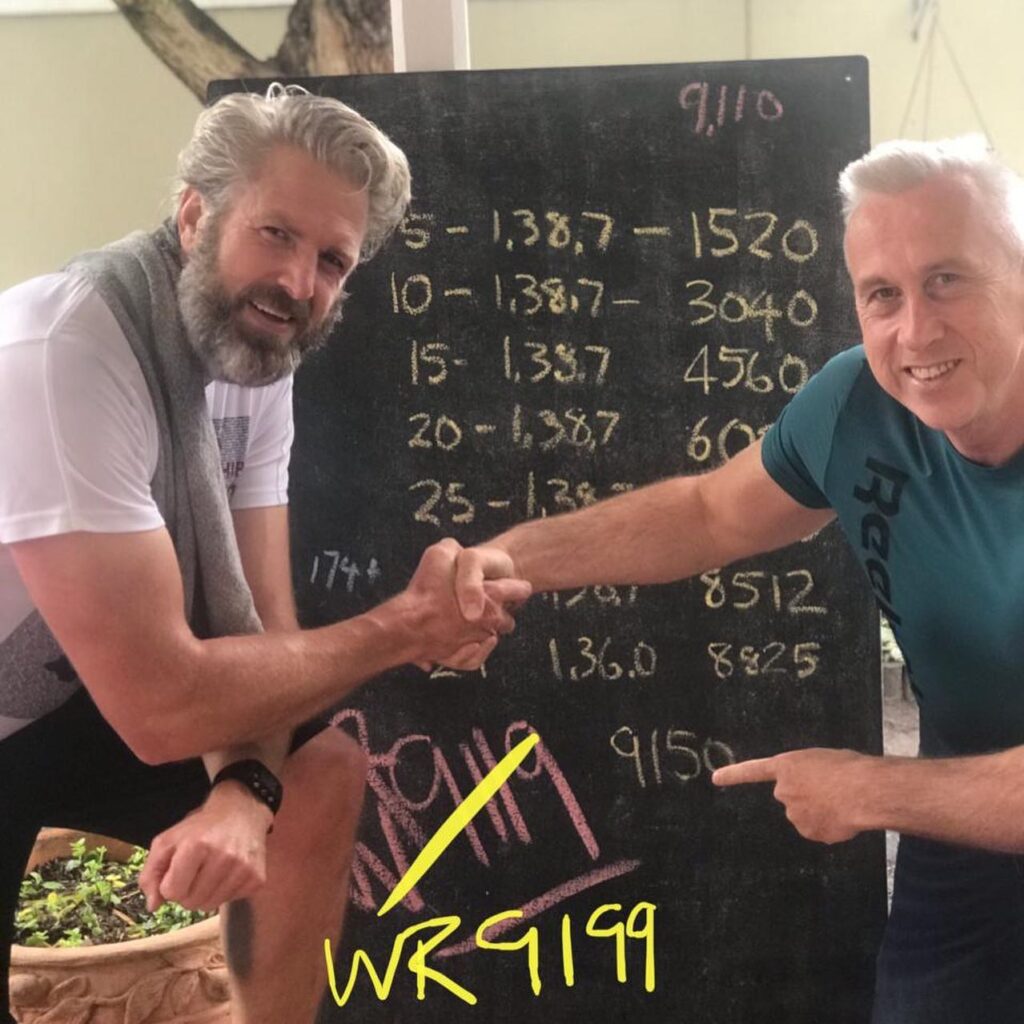
After 10 weeks of Bill Chambers Faster training program, I set out to break @grahambenton record of 9110m. This was my second attempt after hitting the wall the first time at 7min to go. Bill Chambers program was very well laid out and all I had to do was get on with it.
Luke Wollenschlaeger , 5 Times age group world ergo record holder
Contact me directly for the subscribers discount code.
Here’s what’s included in the course
Exclusive access to the Faster Alumni Group on Facebook, to share ideas and cover questions with past students. This group is only open to Faster Alumni.
Three Live Zoom Classes to review the course together with the course community. Classes will be streamed Live to the Faster Alumni Group
Access to all the online learning modules via the Teachable platform
Downloadable tools and templates
Protocols on how to test your performance
Access to Tips & Tricks – Ideas & Inspiration from our advisory panel of experts
PDF downloads of studies on the best approaches to train
Guidance on how to train from the world’s best coaches, scientists and athletes – period!
Here’s what another student shared about his experience in the course:
“I completed the course earlier this year, and what I learnt has opened my eyes to what I was truly capable of, and transformed the way I train and prepare. I used to always train hard, yet never knew if I was really training the right way. Since I have done the course, I now KNOW what I need to do to reach my potential. I don’t train any more than I used to, yet I am going faster on the ergo and on the water. I can better plan my training to achieve balance with my family and the business that I own and operate.
I highly recommend this course to anyone that wants to train smart vs. just training harder all the time.”
Former FISA Secretary General, Director of Australian Institute of Sport (AIS), Court of Arbitration for Sport (CAS) and CEO of the Australian Sports Tribunal shares his thoughts on what rowing needs to do to stay relevant.
Mr John Boultbee AM is a lawyer and leading sport administrator with over 20 years’ experience as a judge of the Court of Arbitration for Sport.
He has previously served as the first Secretary General of FISA; Director of the Australian Institute of Sport; Head of National Teams, Football Federation Australia; and High Performance Director, Volleyball Australia. He received a Member of the Order of Australia for services to rowing as an administrator.
In part 1 of our 2 part interview, John shares his passion for rowing, as well as his perspective, on what rowing needs to do to stay relevant and exciting now and in the future.
What FISA needs to do to make rowing relevant and exciting for the current and future generations.
How rowing figures in future Olympic Games.
Why we don’t need create novel new events and why we need to capture the excitement of traditional rowing through well televised and an improved spectacle for the majority of people watching rowing.
How better access through second screens and streaming, will help rowing to stay relevant.
What we can learn from Henley Royal Regatta’s approach.
The importance of live data and animation.
The excitement of Coastal Rowing and the role Coastal Rowing has to play in the future of our sport.
I am excited to reconnect with Edouard today, and to hear what he has been up to since we last spoke in April this year. I’ve been looking forward to this for some time. It’s not often, one has an opportunity to gain insights, into a world class team, and in this episode, Edouard share with us, how the Swiss Rowing Team has adapted to the changes in the World Rowing and Olympic schedule.
In this episode, I catch up with Edouard on three things:
What has he been focussing on with the Swiss Team, since we last spoke?
His plans for Tokyo
His thoughts on technique and coaching technique
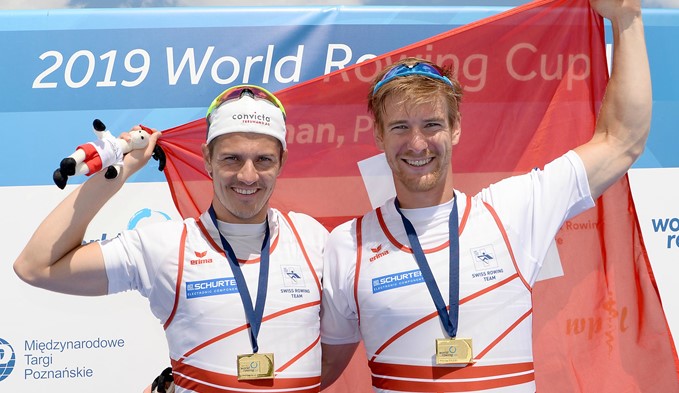
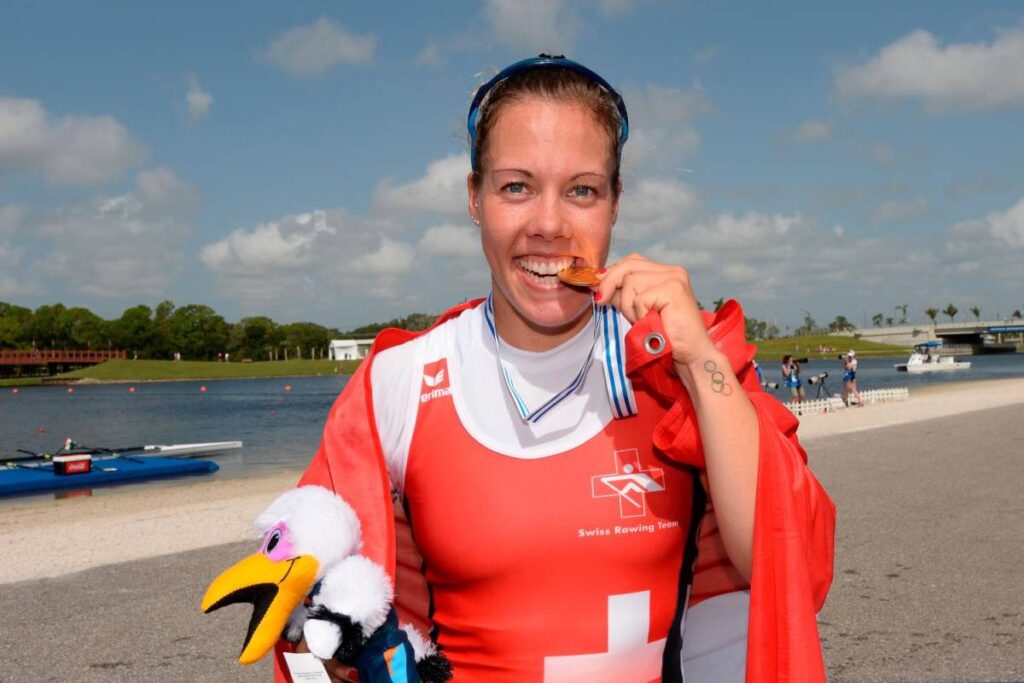
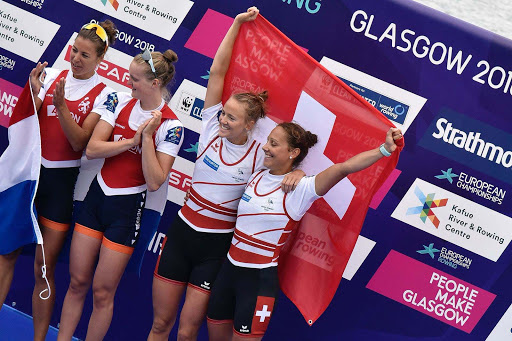
My guest today is Edouard Blanc, Head Coach of the Swiss Rowing Federation.