
Faster Membership
The rest of this one is for members.
This article, both twelve-week training plans, and the full library of protocols and calculators are part of Faster Membership. CHF 129 for the year.

Faster Membership
The rest of this one is for members.
This article, both twelve-week training plans, and the full library of protocols and calculators are part of Faster Membership. CHF 129 for the year.

Success loves preparation, and it’s not uncommon to see athletes heading into the last months of the year, without a clear goal for the next year, and an understanding of what they need to do to achieve their goals. With the off season in Europe and America and with at least 6-months to racing in most of the world, we have an opportunity, to reflect on results from 2022, what went well and what can be improved for next year. Question is, will you take time to reflect and plan?
I thought I’d share the approach I use, along with the approaches from super successful masters athletes and coaches, with the intention of inspiring and even challenging you, in your approach to setting up, and preparing for the year ahead.
Many rowers feel that they shouldn’t take a break at the end of the season. I like to take at least 3-weeks off, and sometimes 4-weeks. Rest the body and mind. Build up an appetite to get back in the boat, gym and ergo, to train through the off season. I use this time to build up my reserves, and to reflect what I need to do to go faster next year.
Take some time to reflect on the year to date. What did you do this year, and how has it worked out?
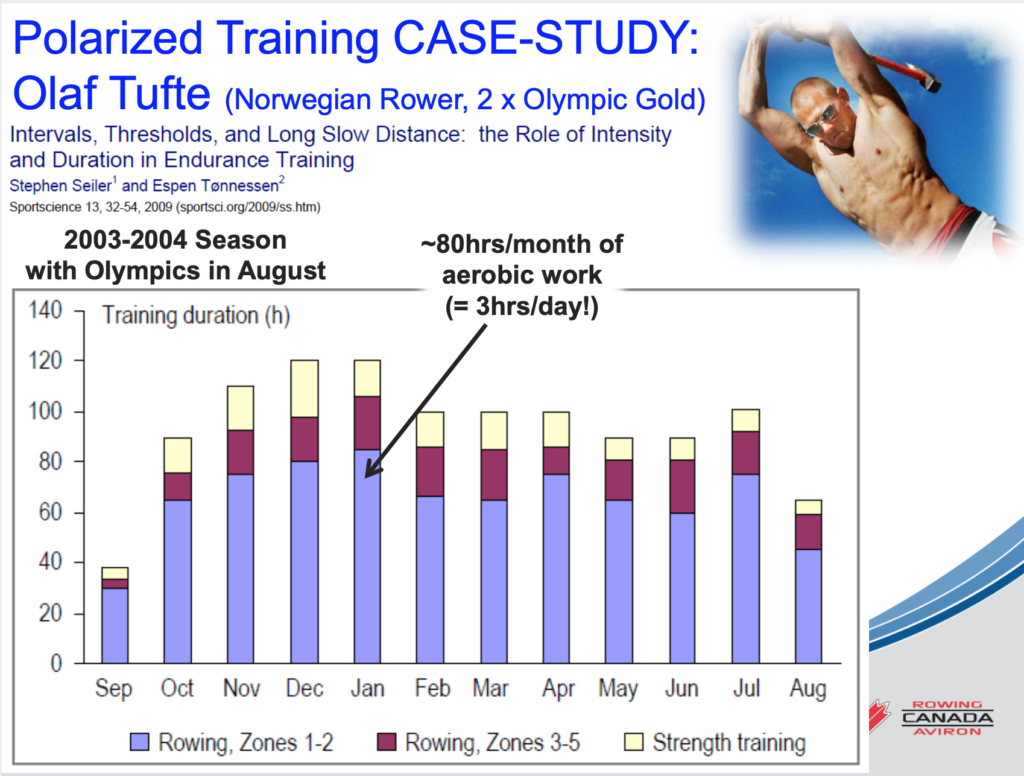
Now that you have the what identified, i.e. data points from the season, a good question to consider is, so what? With good data from the year, you can start making informed decisions, on where to focus in the year ahead.
In my interview with multiple HOCR winner, Greg Benning, this is what he had to say about planning the year.
Goal #1: Do it better every year
Accretive: Start with prior year, try new stuff, keep best ideas
Incremental Gains: Keeping a list of strengths, weaknesses, measuring
Faster podcast interview with Greg Benning (2020)
I use the time now to plan forward for next year, with a strong focus on what I need to do in the off season, to be ready for the base training in 4-months time.
Review and Plan are key aspects of success in life, business and sport. I hope that some of the points I have raised, challenge and inspire you, to review what you have done, and identify areas that will help you to go faster.

USRowing has organised a full Saturday conference of masters-specific educational content offered virtually. Plenty of interesting speakers including a keynote presentation from Dr. Stephen Seiler on ‘Appropriate training for masters athletes’.
I will be presenting two webinars at the conference, and look forward to seeing you there.
This webinar will be of interest to masters rowers that are interested in preparing for the regatta session, or simply want to understand what metrics they need to track and how to use them in order to train in a systematic way.
Topics covered will include:
It will be an hour-long webinar will include a Q&A, so be sure to prepare yours in advance.
This webinar will be of interest to anyone that is looking to understand different approaches to return to rowing after taking time off. I will be sharing my own personal experience in returning to rowing after a near fatal accident, along with tried and tested approaches that you can use to plan your return.
Topics covered will include:
This will be an hour-long webinar will include a Q&A, so be sure to prepare yours in advance.
Individual Conference Pass ($79): This pass will get you full access to all live sessions within the conference and their recordings. This pass is intended for one person to have access to the conference.
Boathouse Pass ($299): This pass is intended for a boathouse to gain access to the conference. After registering for this pass, account holders should email EventsTeam@usrowing.org with an excel spreadsheet of members names and email addresses that should have access to the content. There is no limit of attendees per boathouse pass.
Individual Conference Pass with Championship Membership ($129): This pass will get you full access to all live sessions within the conference and their recordings. This pass is intended for one person to have access to the conference. This pass also includes a USRowing Championship Membership at a discounted rate. While a membership is not required for this conference, if you do intend to renew your membership, this is the time to do so to take advantage of a discounted rate!
More information can be found at here and registration is done via Regatta Central at the following link.

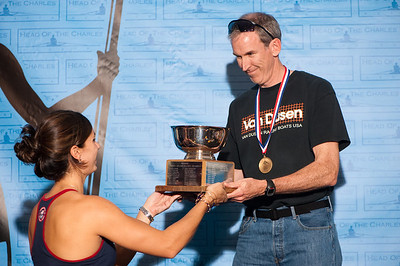
My guest today is well known in both World Rowing, US Rowing and business. He is a competitive master-level rower, with 19 wins at HOCR, 4 course records. 7 wins at SilverSkiff. Half dozen FISA Veteran or US Masters Nationals with 6+ wins/regatta. He is the Vice Chair of US Rowing, captained the 1984 crew at the University of Pennsylvania, former President of Cambridge Boat Club and co-founder of the Boston rowing Federation. He is a highly successful Boston-based investment banker and an avid saltwater fly fisherman. My guest today, is Greg Benning.


This podcast is brought to you by High Performance Coaching in business and sport with Bill Chambers.
https://anchor.fm/s/1f7219c8/podcast/rss